


The farm offers an opportunity for queer people to find kinship and security while learning how to grow flowers and a multitude of crops.
Maine agriculture

Posted inBusiness, Food, Local & State
UNH researchers study a prized buckwheat variety, and it’s growing in Maine

Crop scientists at the University of New Hampshire are studying tartary buckwheat, the highly nutritious and hardy variety grown in northern Maine that also is gluten-free.
advertisement

Posted inLocal & State, News
Lawmakers hear how other states are catching up to Maine on PFAS regulation

Thirty-three states have introduced about 200 new PFAS policies or laws this year alone.

Posted inFood
The winners and losers of Maine’s 2023 growing season

Area farmers faced unusual weather conditions this summer, from a late spring frost to persistent hard rains. Based on their reports, here are the crops that fared the best and worst in Maine (so far).
Posted inBusiness, Local & State, News
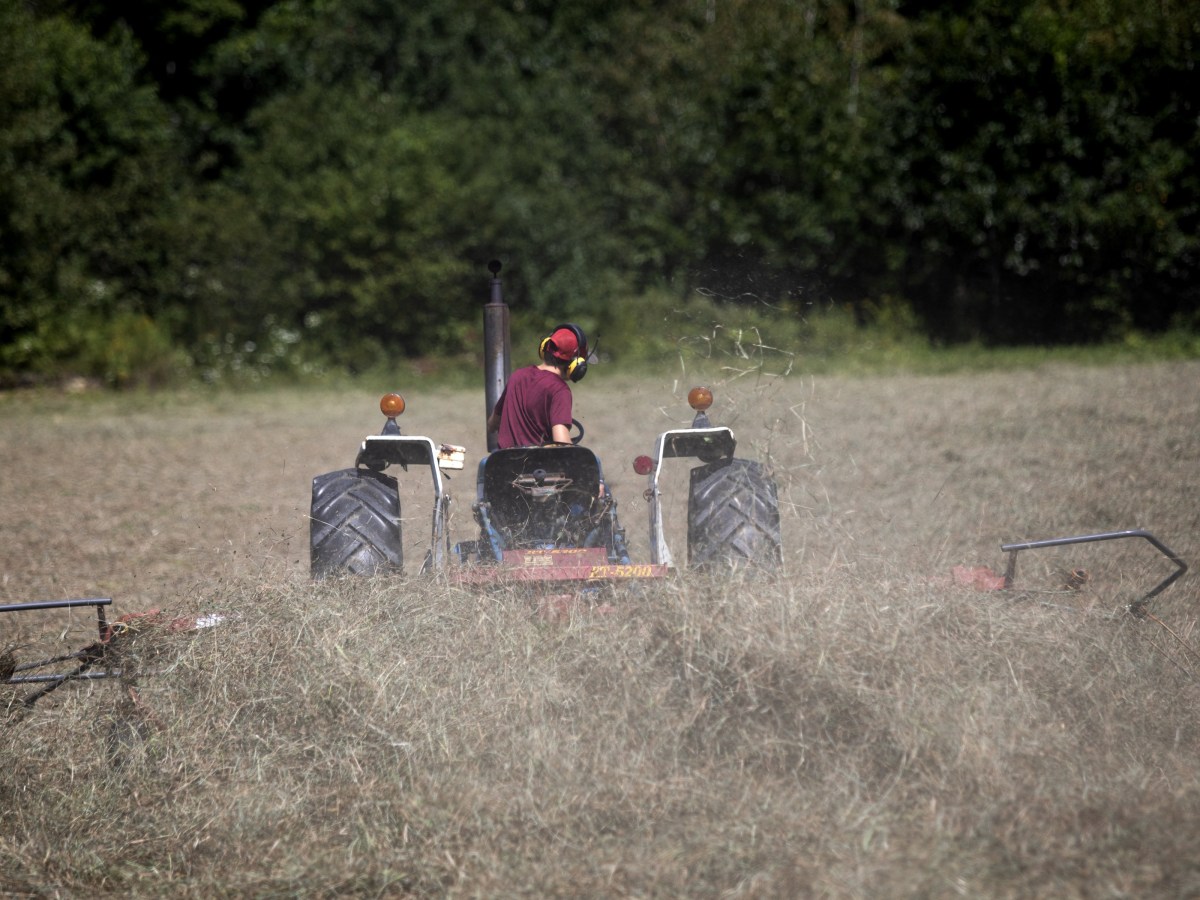
Soggy, late hay harvest could further imperil struggling farms
Wet weather has prevented farmers from harvesting hay, leaving them with costly or unappealing options to feed their livestock.

Posted inBusiness, Food, News
FoodTech program offers support, connections to help food-based companies grow
The new program is designed to help food-based businesses in Maine learn to increase efficiency and sustainability.
Posted inLocal & State, Politics
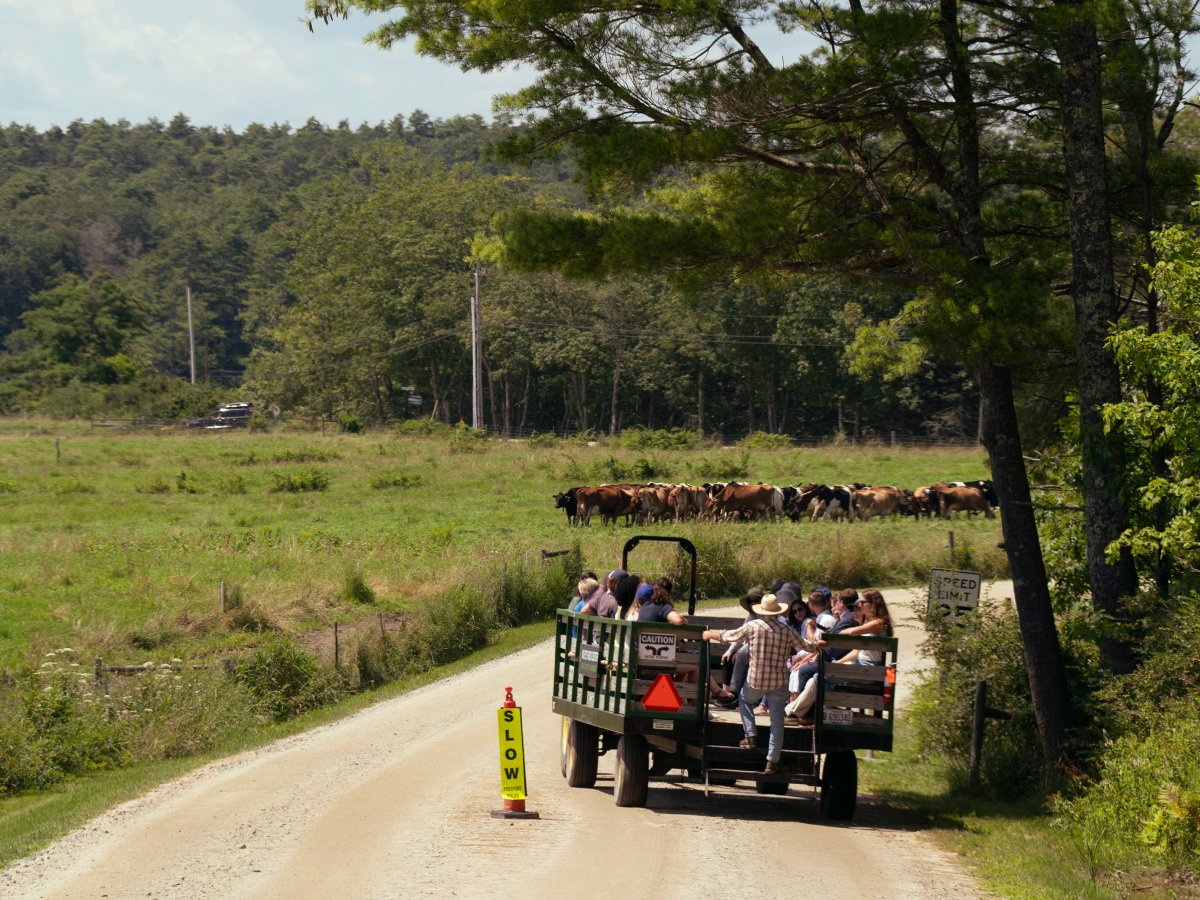
Lawmakers tour Maine before negotiating next federal farm bill
Maine needs federal policy to be flexible enough to support small specialty farmers, keep food banks full and provide relief to farmers struggling with PFAS contamination, lawmakers are told at a U.S. Congress agricultural field hearing.

Posted inLocal & State, News, Politics
State adopts $70 million plan to help farmers deal with PFAS contamination
The fund will dedicate $30.3 million in grants to get farmers back on their feet, $21.5 million in compensation for contaminated land, $7.3 million for medical needs and $11.2 million for scientific research.
Posted inBusiness, Health, Local & State, News
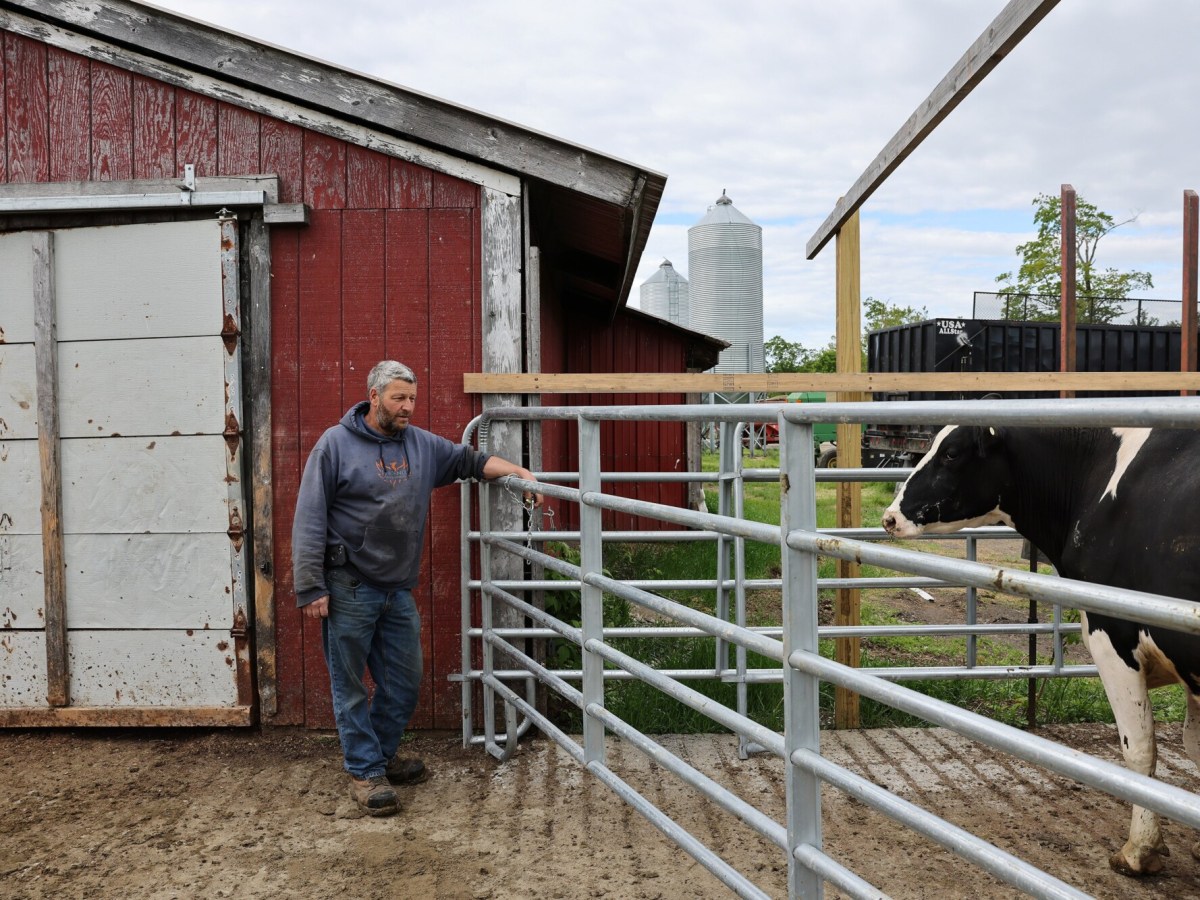
A forever farm is no match for forever chemicals
A fourth-generation farmer running an organic dairy farm in Fairfield lost his livelihood when his milk and lands tested hot for PFAS contamination. ‘It got us good.’
Posted inLocal & State
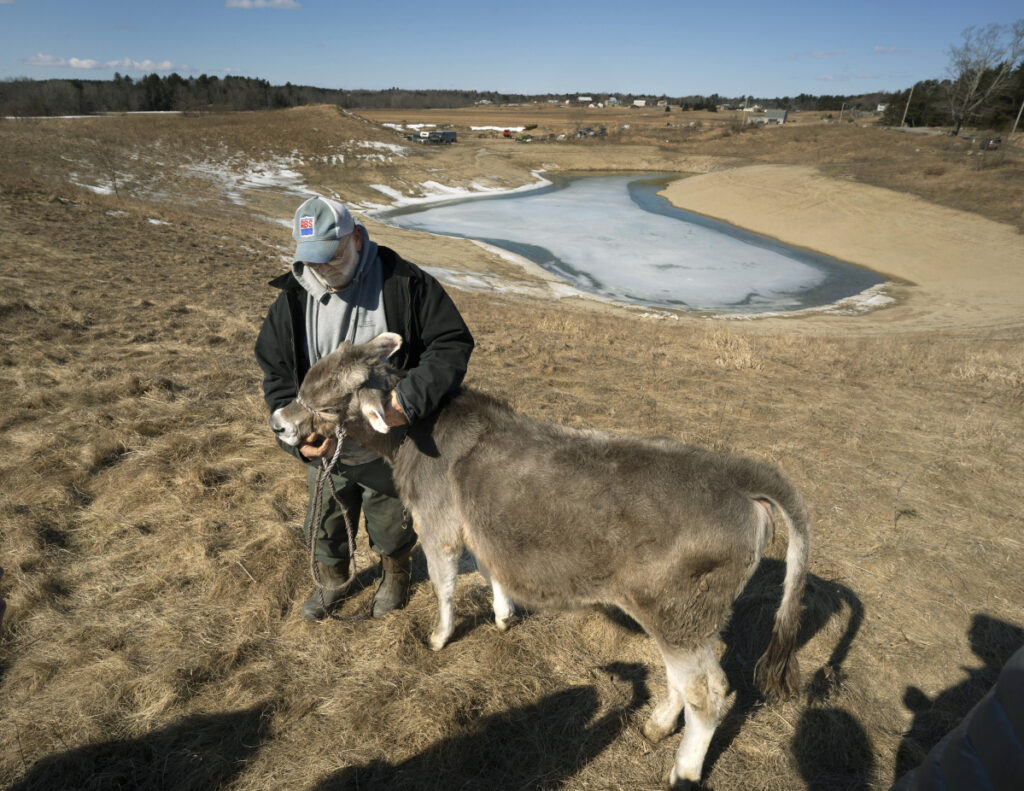
Cost of helping farmers manage PFAS is rising, now at $81 million
A five-year plan to help farmers includes $37 million for direct financial support, $25 million to buy contaminated farms, $11 million for agricultural research, and $7 million on medical testing and monitoring.