

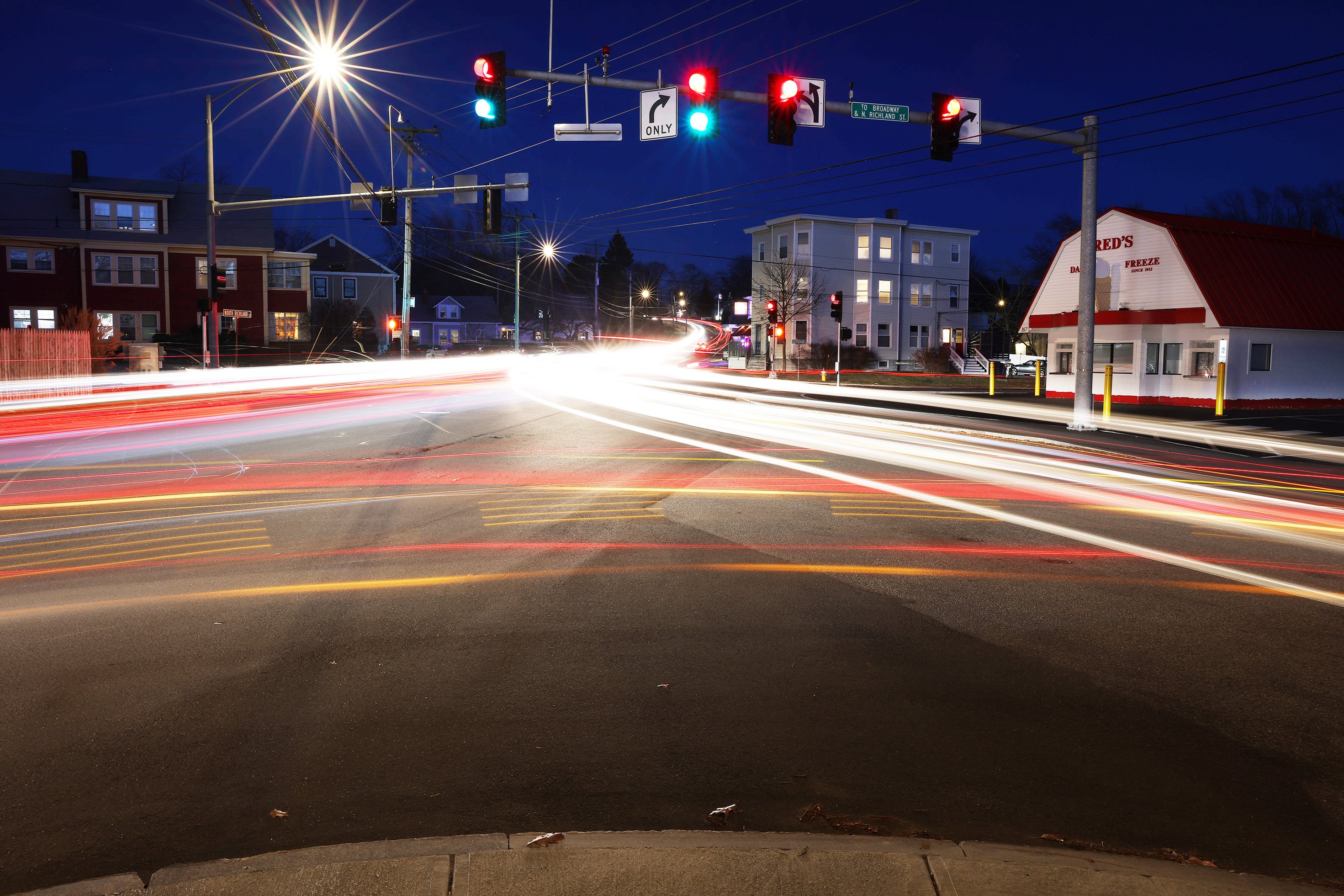
Plans for South Portland’s crosstown connector have effectively stalled.
At its meeting on Thursday, the City Council advised city staff to not invest more money into the byway project at this time.
The proposed roadway would connect Main Street and Highland Avenue, meeting the projected growth and traffic impact in 50 to 75 years. South Portlanders have been organizing around a new artery for the city for decades in response to congestion on major roads like Broadway and Evans Street.
Planning Director Milan Nevajda said they drafted dozens of potential routes before settling on one that runs down Rumery Street and around the transfer station.
The estimated baseline cost was $26.45 million, not including land acquisition, something many councilors were discouraged by, especially as the city pursues other infrastructure needs.
Last year, the City Council voted to move ahead with transforming the former Mahoney Middle School into a city hall campus with a new police station, fire station and public library. It will be up to voters next year to decide whether to approve the project, with a preliminary price tag of $74 million.
The city is also planning to build a new pump station within the next couple of years to replace the aging Pearl Street Pump Station, which collects wastewater from the western half of the city.
“This type of road is beyond what a community can undertake by itself,” Councilor Natalie West said. She suggested pursuing state funding or collaborating with Scarborough.
Half of the estimated cost of the project — $13.4 million — would cover in-lieu fees to mitigate environmental impact, according to the preliminary findings from the environmental impact analysis. Three-quarters of the acreage for the proposed route rests on significant vernal pools. Nevajda said it’s not uncommon for new road projects to incur these types of fees because they are being built on less desirable land for development.
Councilors reasoned that the expense isn’t worth it.
During his presentation, Nevajda said the road would marginally improve nearly all of the nine intersections included in the traffic study by 2045.
But he also said the road would not completely alter the city’s traffic.
The projected traffic volumes for the roadway would be 364 vehicles during the morning peak hours and 432 vehicles during the evening peak hours, according to the preliminary findings from the traffic conditions study. The annual average daily traffic would be 4,320 vehicles, which is much lower than nearby major roads like Evans Street with 13,490 vehicles daily and Highland Avenue with 12,027 vehicles.
“It doesn’t sound like it’s going to do what it’s supposed to do,” Councilor Linda Cohen said.
Nevajda said that the need for this type of road will increase as the western part of the city becomes more developed in the coming years.

We invite you to add your comments. We encourage a thoughtful exchange of ideas and information on this website. By joining the conversation, you are agreeing to our commenting policy and terms of use. More information is found on our FAQs. You can update your screen name on the member's center.
Comments are managed by our staff during regular business hours Monday through Friday as well as limited hours on Saturday and Sunday. Comments held for moderation outside of those hours may take longer to approve.
Join the Conversation
Please sign into your Press Herald account to participate in conversations below. If you do not have an account, you can subscribe here. Questions? Please see our FAQs.