
Three local lighthouses, one in South Portland and two in Cape Elizabeth, have been converted to a new foghorn system that relies on individual mariners for activation, instead of relying on weather conditions.
To spread the word about the new system, the U.S. Coast Guard, the city of South Portland and the Spring Point Ledge Light Trust are jointly sponsoring a public information session to be held at the Centerboard Yacht Club on Feb. 16.
Coast Guard Lt. David Bourbeau told the Current that the Spring Point Ledge Light in South Portland, as well as the Portland Head Light and the Cape Elizabeth Light, both in Cape, all have had the new foghorn systems installed.
He said the purpose of the new device, also known as the Mariner Radio Activated Sound Signal, “is to replace the less reliable and less efficient fog detector.”
Bourbeau said the new mariner-activated system would “increase (boating) safety, improve operational reliability and significantly decrease maintenance requirements.”
While the system for activating the foghorn at the three local lighthouses has changed, the “sound signal types and characteristics will remain unchanged,” Bourbeau said.
In order to activate the new foghorn system, the Coast Guard said, local mariners would have to use a VHF radio and key in on Channel 83A five times in succession.
Richard Thompson, chairman of the Spring Point Ledge Light Trust, said the only thing that should change for those on land is that the foghorn would not likely sound as long it previously did, since boaters will only activate the signal for short periods in order to get their bearings.
“We’re delighted to get rid of the old system,” Thompson added, particularly because it’s difficult to get replacement parts, the old foghorn system was unsightly and because the horn could often be on for long periods, even if the weather was sunny on shore.
In addition, conversion to the new mariner-activated foghorn will allow the Spring Point Ledge Light Trust to put in a new window where the old foghorn system was lodged, which gives the trust “an opportunity to offer visitors a better view from the lighthouse,” said Thompson.
Both Bourbeau and Thompson said the new foghorn system would have no impact on the automated light systems at the three local lighthouses.
The reason to have a foghorn, in addition to a light, Thompson said, is that “if it’s foggy enough, (boaters) can’t see the light and the horn gives an audible signal they can use to find their position.”
The conversion to mariner-activation will affect 17 fog signals at lighthouses along Maine’s coastline, according to the Coast Guard, including lighthouses on Seguin Island, West Quoddy Head and Owls Head.
The Cape Elizabeth Light, which is the eastern tower of the two lighthouses known as Two Lights, was first established in 1828 and is now on the National Register of Historic Places.
The Coast Guard said that the light was automated in 1987. Its original fog signal was a bell that was replaced by a steam whistle in 1869.
Portland Head Light, which is located at Fort Williams Park in Cape Elizabeth, is one of the most visited lighthouses in the world and was established in 1791, making it Maine’s oldest lighthouse.
Portland Head Light is also on the National Register of Historic Places and its fog bell and tower were initially added in 1855.
The Spring Point Ledge Light marks a dangerous ledge on the west side of the main channel into Portland Harbor, the Coast Guard said, and was first established in 1897. It too is on the historic register and is open to visitors on summer weekends, as well as various other special occasions.
In addition to lighthouses in Maine and New England, the Coast Guard said, mariner-activated foghorns have also been installed at lighthouses in the Great Lakes, on the West Coast and in New Hampshire and Massachusetts.
Capt. Michael Baroody, commander of Coast Guard Sector Northern New England, said the new foghorn system would “replace aging fog detectors that are prone to failure, expensive to maintain and require specialized training to preserve. We believe giving the mariner more control is an effective way to enhance the coastal aids-to-navigation system.”
In a press release sent out in early January, the Coast Guard said the conversion of all 17 Maine lighthouses to the new mariner-activated foghorn system should be completed by mid-February, provided there are no significant weather delays.
In response to concerns that smaller, recreational boaters may not have marine radios on board and that they might be unaware of the conversion, Bourbeau said the Coast Guard would rely on a wide-reaching public information campaign to get the word out.
In addition, he said, “We will continue our outreach leading up to and throughout the upcoming boating season to make sure we reach as many boaters as possible.”
He also said that, along with enough life jackets for everyone on board, all boaters should own at least a hand-held marine radio, which Bourbeau called “a critically important piece of safety equipment that can save your life during an emergency on the water.”
“We urge all recreational boaters to consider carrying a radio not only to contact the Coast Guard in an emergency, but also as a tool to activate the new (foghorn) signals,” he added.
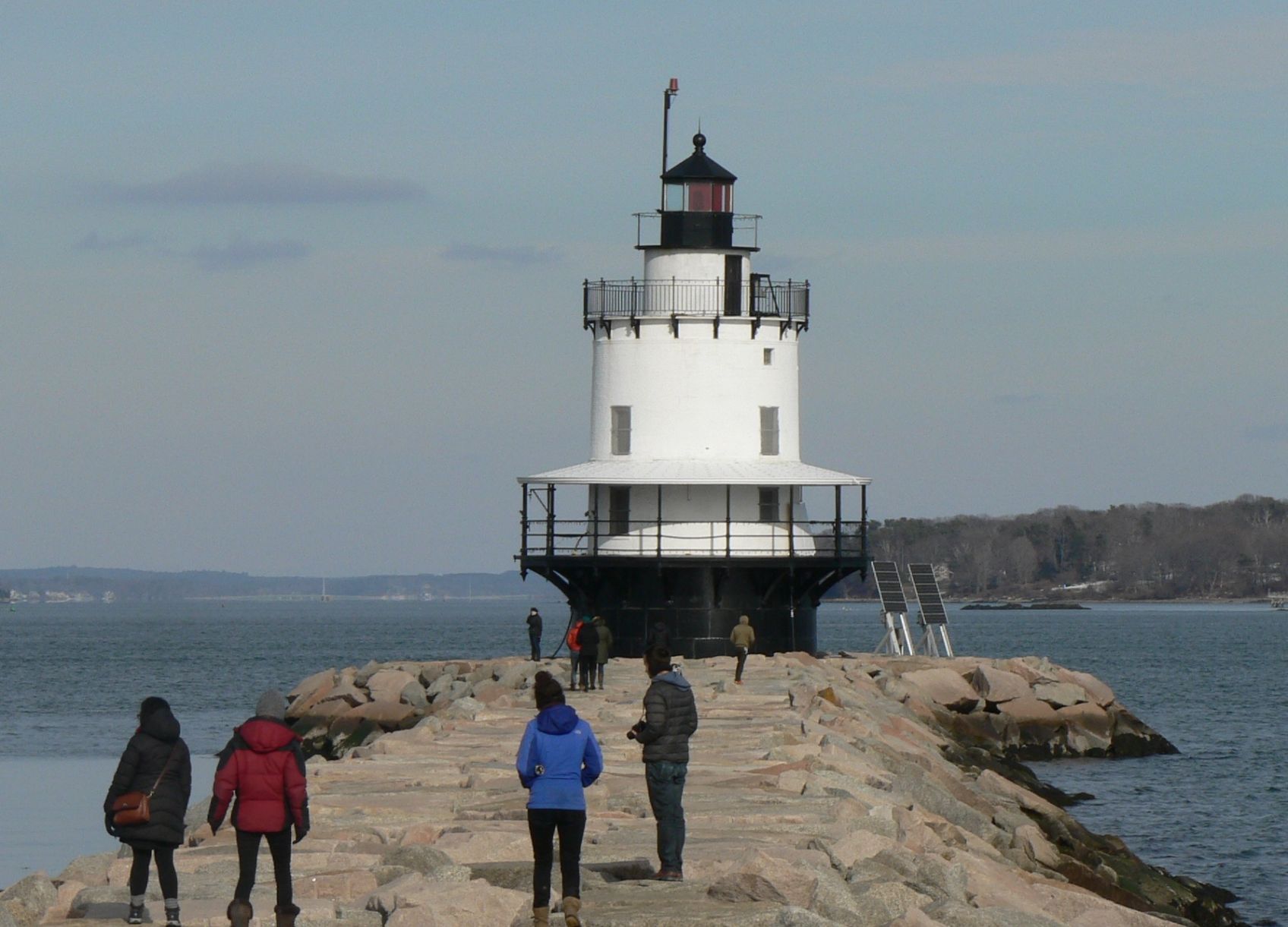 The Spring Point Ledge Light in South Portland, built in 1897, is one of three local lighthouses recently converted to a mariner-activated foghorn system. The light attracted a number of visitors during Saturday’s nice weather.
 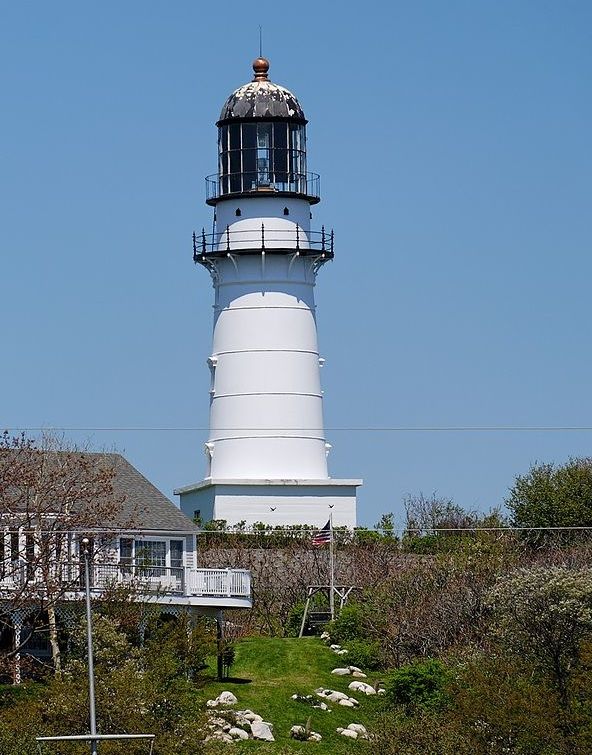 The Cape Elizabeth Lighthouse is not open to the public, but is still active with a light that can be seen 17 miles out to sea.
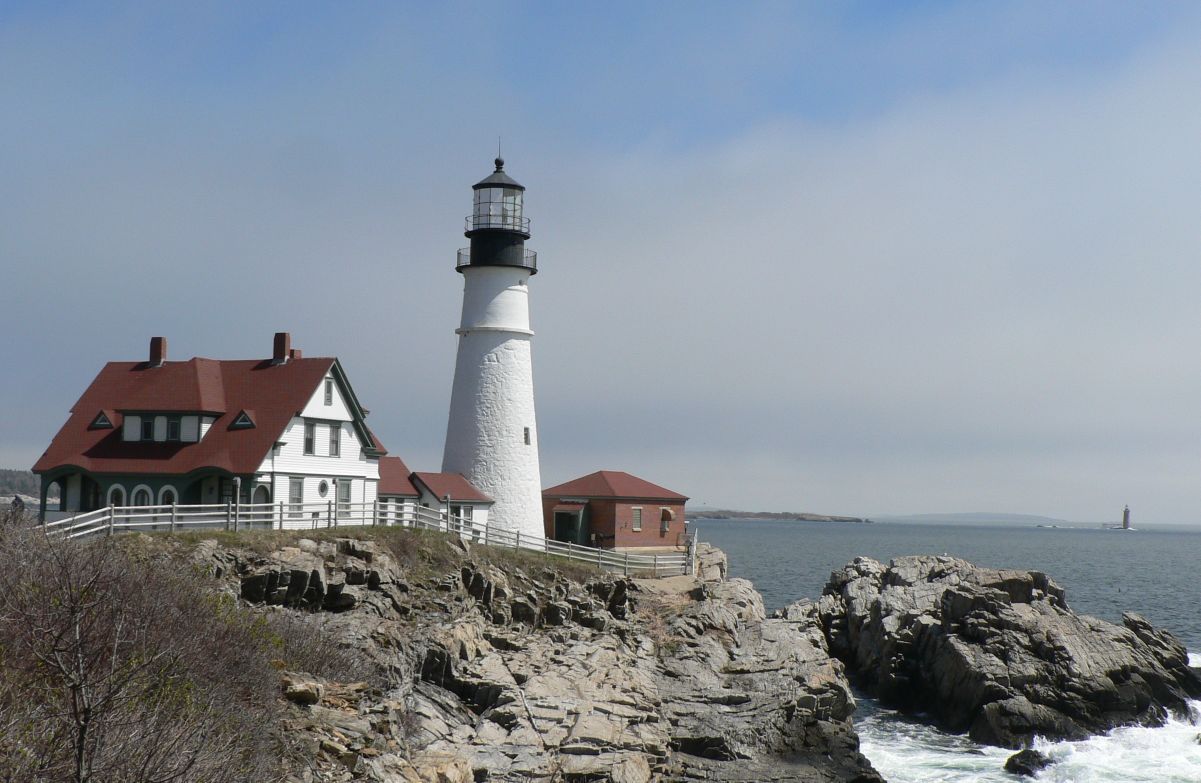 Portland Head Light at Fort Williams Park in Cape Elizabeth will be retrofitted with a new mariner-activated foghorn.
Comments are no longer available on this story