
SOUTH PORTLAND – Following the success of its garden behind the former Hamlin School, the Community Garden Collective in South Portland is now asking for permission from the City Council to expand the original footprint by five more plots.
In addition, the collective would also like to work hand in hand with the city in establishing a brand new community garden in the Redbank neighborhood, which is located on the west end near the Maine Mall commercial corridor.
The garden adjacent to the former Hamlin School consists of 39 plots, three of which are reserved to grow produce for the South Portland Food Cupboard under the University of Maine Cooperative Extension’s Harvest for Hunger program.
During the past three years, volunteers tending the Harvest for Hunger designated plots at the Hamlin School garden have grown more than 2,000 pounds of produce for the Food Cupboard.
“The produce reportedly flies off the shelf every Wednesday and what a great way to expand the benefit of each community garden built in our city,” said Susan Chase, a founding member of the Community Garden Collective and one of the managers for the Hamlin School garden.
She said one reason the collective wants to expand the number of plots there is due to the waiting list of those interested in having a garden plot. The plots go for $35 a year and the waiting list is about 10 families deep.
The Hamlin School garden consists of a series of raised beds, and Chase said that within the fenced-in area that delineates the garden’s perimeter there is extra space that could be used to accommodate additional garden plots.
In terms of the Community Garden Collective’s goal of creating a new garden in Redbank, Chase said it’s part of the mission of the group to bring community gardens to as many neighborhoods within South Portland as possible.
Overall, she said, “we would like to help neighborhoods build and maintain their own community garden so that more people in our city can have access to fresh, organic produce.”
Some residents in the Redbank area have expressed an interest in having a community garden in their neighborhood and since many of them are renters without access to land Chase said, “we believe that a garden would be well received.”
She said, “community gardens provide a place for individuals to grow their own food or flowers and in this way a connection to one’s food supply can be made.”
For instance, Chase said, “Vegetables don’t just magically appear on the grocery store shelves or in stalls at the farmers market. Gardens (also) provide a sense of community and they provide a place where participants can learn new gardening practices or learn about different types of vegetables or flowers.”
She said the Hamlin Street garden is “strictly organic,” so many of the gardeners are learning new ways to address common pests without chemicals. “We also share gardening techniques, such as seed saving and lasagna gardening (e.g., composting to build up the soil using organic waste products).”
And, Chase said, “Community gardens also provide a place for non-gardeners to go to enjoy the flowers or vegetables that are (being) grown. We have many people who stop by and walk our gardens just for the sheer joy of it.”
The location of the Hamlin School garden is ideal for Chase since she lives nearby and can easily go to the garden any time to pick produce for her table. “I literally ran down to the garden Sunday morning at 5:30 a.m. to harvest some shallots for a zucchini soup I was cooking,” she said.
“I love running into people at the garden – talking with them, learning about where they live and what they like to grow,” Chase added. “I like seeing the different ideas concerning garden layouts and the different types of vegetables people are growing. I love it that the garden is organic and that I don’t have to worry about whether my neighbor is spraying a pesticide on (their) tomatoes and whether that chemical will drift over to my plot. I love seeing children in the garden, helping their parents and telling me (about) their favorite vegetable.”
Rick Towle, the director of parks and recreation for South Portland, said this week he’s supportive of the idea of creating a community garden in the Redbank neighborhood.
“Anytime a successful garden is implemented, it helps with the educational, social and cultural aspects in the community,” he said. “We believe it would help the west end of South Portland, as a whole, to have access to a community garden for these reasons.”
While there is not yet a finalized plan for a community garden in Redbank, the hope is to have all the necessary permissions in place and get the garden going next spring, according to Towle.
The City Council was scheduled to discuss the possibility of expanding the Hamlin School garden, as well as the creation of a community garden in Redbank at a workshop on Monday.
Also at the workshop, the council was set to consider an amendment to the city’s solid waste ordinance that would eliminate trash collection at apartment or condominium complexes of more than four units in order to save the city money on disposal costs.
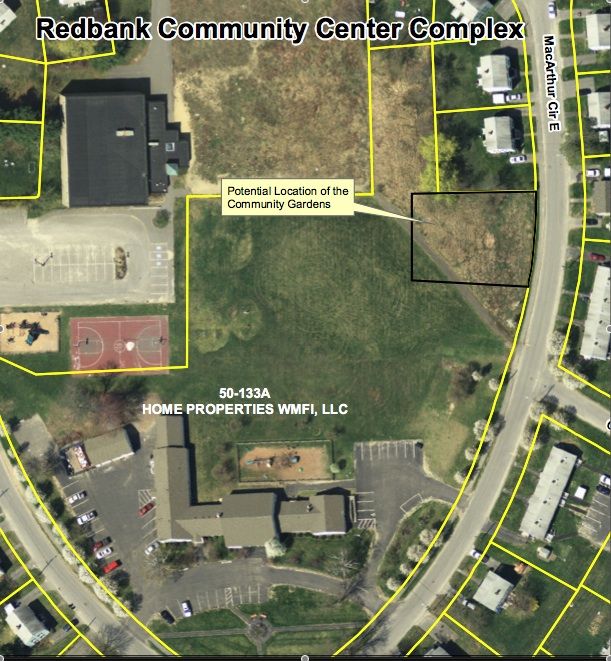 With the success of its Hamlin School garden, the Community Garden Collective in South Portland hopes to add a second garden in the Redbank neighborhood.
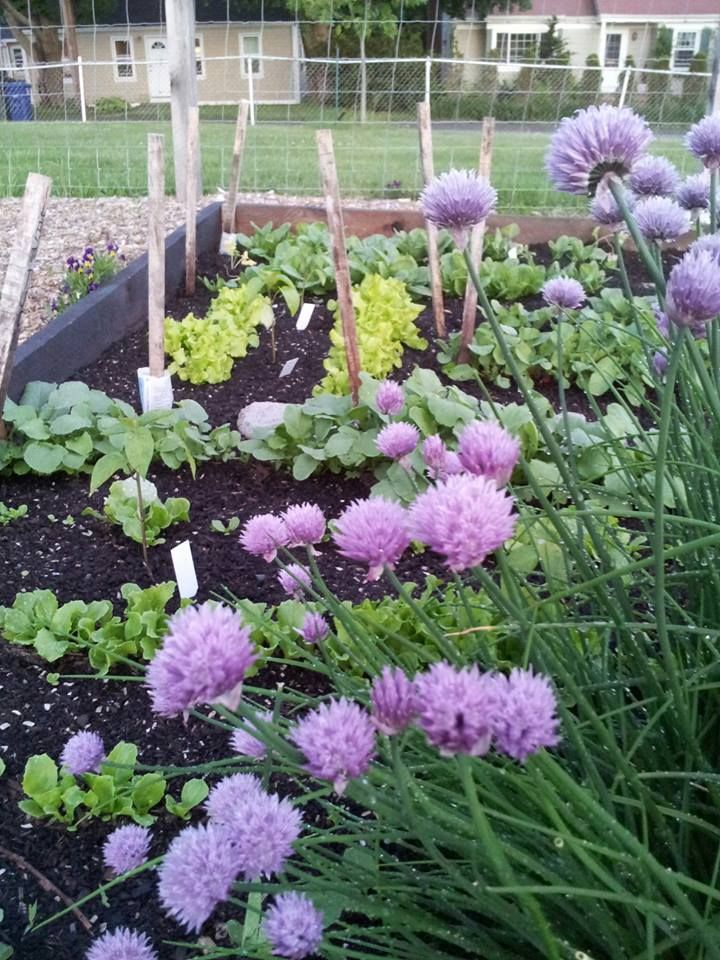 Since 2011 the Community Garden Collective has operated this community garden behind the former Hamlin School in South Portland.
Comments are no longer available on this story