
The arrival of the railroad in Windham spelled the end of the Cumberland and Oxford Canal as a transportation resource. The canal ran parallel with the railroad. Shipping and traveling by train was much faster and more efficient, and business was booming!
Chartered in 1867, the railroad was known as the Portland & Ogdensburg, a town on the St. Lawrnce River in New York State. Plans were for the new line to provide a direct link for commerce with the Midwest. However, the line never extended beyond St. Johnsbury, Vt.
The first train of cars moved over the railroad from Portland to Sebago Lake on Sept. 12, 1870. In a short time, the quiet (and small) village of South Windham became the busiest part of Windham where hundreds were employed and shopped at one of the two drugstores, meat market, two banks, post office, photography shop and many other businesses.
Six trains were scheduled daily and there were many extras. There were two train depots – one on Depot Street (prior name was Cross Street) and one at Newhall.
Sidings were built to many of the businesses in the area including the woolen mill at Mallison Falls, the pulp mill at Little Falls, Peabody’s Store where coal was sold, Ellis Paperboard, Uncle Wiggly Toy Factory, Baker Refrigeration, Hudson Paper, Sylvania, Rich Tool & Die, Blue Seal, Keddy Corporation, L.C. Andew Lumber Co., Paris Flouring grain company, Dupont Powder Mill at Newhall and Dixon Brothers propane company.
Freight left South Windham on the trains. In a six month period of 1873, more than 8 tons of pressed hay was shipped from Windham to Boston. Passenger service was extensive as people commuted to work in Portland or to school in the city.
However, travel by auto was becoming the most popular mode, and environmental concerns were being raised. In 1981, the Depot Street station was closed. The station at Newhall had closed 50 years prior.
Like the canal before it, the railroad in South Windham is now the stuff of history and exhibits and memoirs.
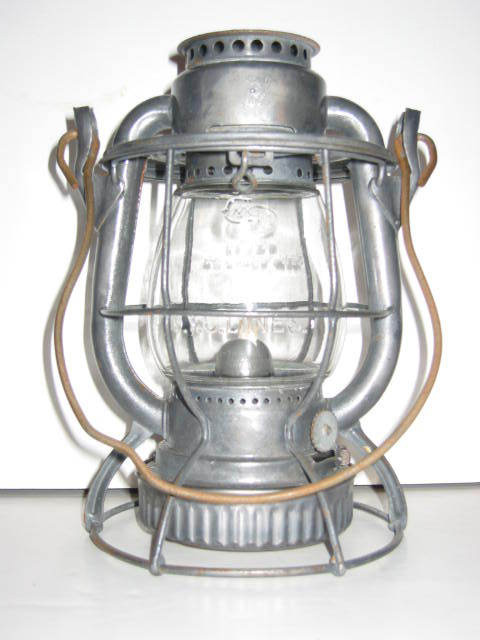 The Windham Historical Society has a large collection of railroad memorabilia including this lantern and the pot-belly stove that kept the station agent warm during the cold Windham winters. Visit www.windhamhistorical.org. Courtesy photo
Comments are no longer available on this story