
For Julia Integlia of Cape Elizabeth, working with Hurricane Katrina victims was a cathartic experience.
After spending three weeks working in a shelter in Daphne, Alabama, Integlia’s perspective on what’s important has changed.
“I think back about the people who lost everything,” she said, “and things seem silly that we worry about here.”
Integlia graduated from Cape Elizabeth High School in June and was enrolled at Endicott College in Massachusetts when she decided to delay her schooling for a year. She completed a two-day training session with the American Red Cross in early September and received the call to help on Sept. 16.
Integlia was sent south to Montgomery, Alabama only knowing her assignment would last until Oct. 4. In Montgomery, she waited for an assignment in an abandoned K-Mart, which was converted to a makeshift Red Cross call center.
After three days, she was relocated to Daphne where she worked the night shift checking evacuees into the Civic Center shelter. While there, Integlia experienced firsthand the best and worst sides of human nature. She saw people who had lost everything rejoice in simply having shelter, while people unaffected by the hurricane dishonestly tried collecting relief funds dispersed by the Red Cross.
The majority of people, said Integlia, wanted money. The Red Cross was handing out relief checks for hurricane victims and that was the first thing on many people’s agenda. But there were no checks to hand out; only a phone number to call. That left evacuees frustrated and unhappy. Integlia absorbed much of this frustration and often felt a little helpless herself.
“People really wanted checks,” said Integlia. “They were coming and demanding checks.” Though she couldn’t offer people money, she advised them in getting their checks, offered them shelter and listened to their stories.
“A lot of people wanted to talk about what they lost that meant the most to them,” she said. Integlia was surprised about the things that people missed. People didn’t miss their houses or their cars as she expected they might; they missed sentimental things that time could not replace.
One 20-year-old man, barely two years her junior, left an imprint that won’t soon fade away. Stranded at the shelter with two young sons and his mother, his biggest sorrow was the loss of his son’s baby pictures. He confided in Integlia that he was concerned that he could never again show his sons what they looked like as babies. It was confessions like these that stumped the Cape Elizabeth woman.
“It’s hard to know what to say when people are telling you they just lost everything,” she said.
What perhaps surprised Integlia most was the contained demeanor of people in crisis. She expected to be thrust into a tornado of emotional upheaval. She expected that because these people had lost everything, their emotional state would match that of their crumbled homes, but it did not. She was amazed and perhaps a bit puzzled at the resilience of the spirit. “They weren’t outwardly distraught,” she said. “People were happy to just be in a shelter.”
Now Integlia is applying to Colorado State University at Fort Collins and Virginia Tech. She plans to study fashion, nutrition or both. She’s also considering taking a road-trip or volunteering for Habitat for Humanity before she goes off to school next fall.
Integlia also said she grew a sense of autonomy during her time away from home that was liberating. “I was feeling really independent, and I liked that feeling,” she said.
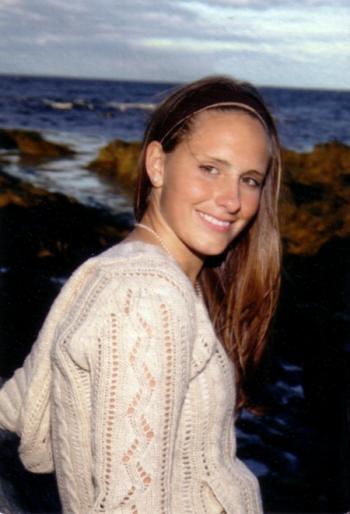 Instead of college, 2005 Cape Elizabeth High School graduate Julia Integlia, volunteered for the Red Cross assisting victims of Hurricane Katrina.
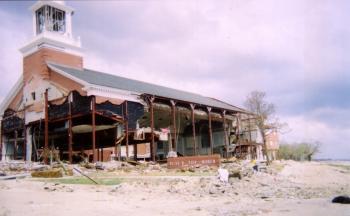 Integlia was stationed in Daphne Alabama just two hours from the destruction of Katrina here in Gulf Port Mississippi
Comments are no longer available on this story