
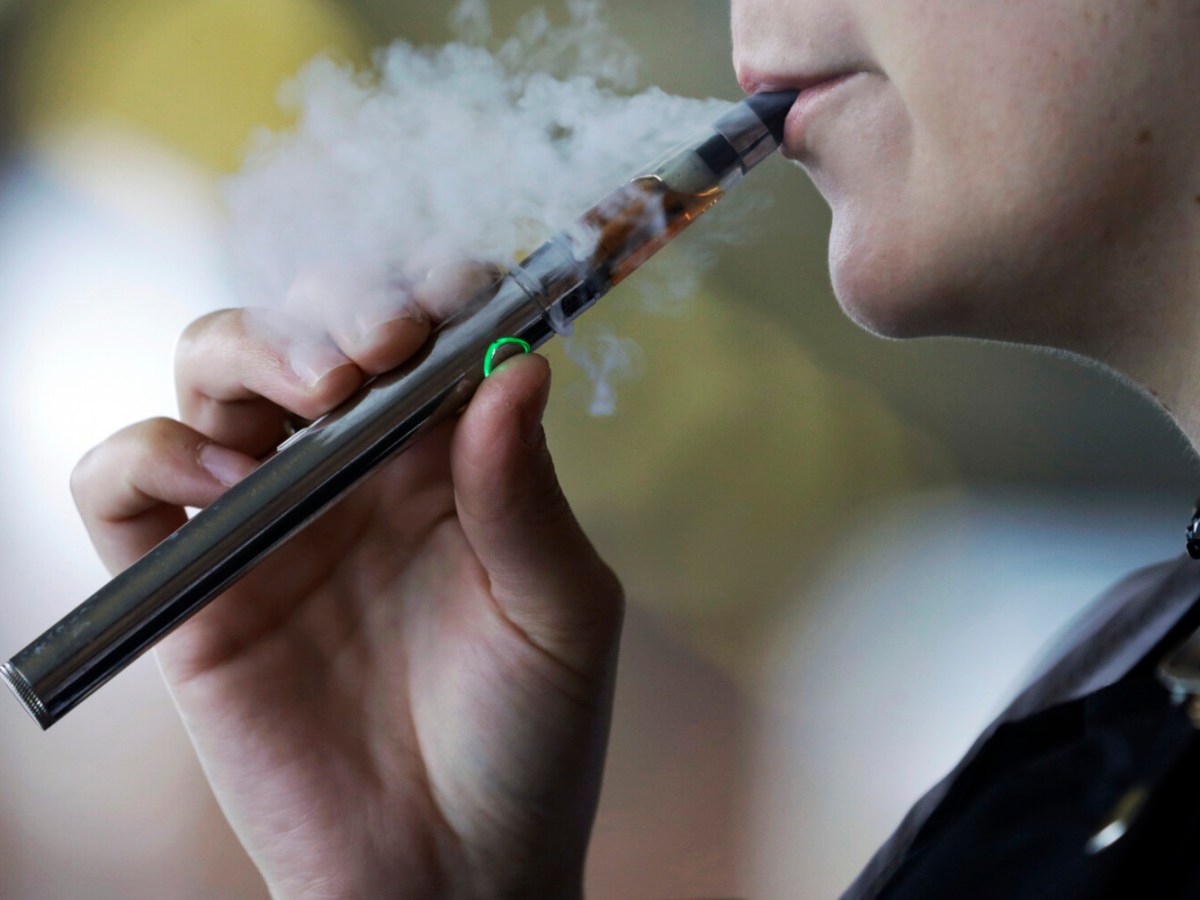

Smoking and drinking have declined among Maine youths in recent years, but the percentage of high schoolers who said they vaped in the past 30 days rose from 16.8% in 2015 to 30.2% in 2019.
teens
Posted inMaine Voices, Opinion
Maine Voices: Custody and care of unaccompanied minors must be a priority of our state
Although we know that Maine DHHS is struggling with funding and staffing, the refusal to take custody of at-risk youths is negligent, unacceptable – and easily solved.
advertisement

Posted inOp-eds, Opinion
Commentary: Where democracy won in 2022
Make no mistake, extremist threats haven’t gone away – but it was also the year when ‘the good guys struck back.’

Posted inMaine Voices, Opinion
Maine Voices: What if we were to teach dialogue in our schools?
Building the capacity for dialogue requires mutual respect, care, a deep sense of curiosity and the courage to speak up and to learn from others. We need more of all of these qualities.

Posted inOp-eds, Opinion
Commentary: Fostering community key to solving Maine youth mental health crisis
It’s up to us to make the young people in our cities and towns feel that they matter.

Posted inMaine Voices, Op-eds, Opinion
Maine Voices: Student mentorship is key to workforce development
In Maine and nationwide, only about 10 percent of students receive mentoring through their high schools. Here’s why we should boost that number.

Posted inOp-eds, Opinion
Commentary: My students’ relationship with their phones makes me worry about their future
Heading into my 20th year teaching high school English, I’m more concerned than ever about how digitally dependent our teenagers have become.

Posted inMaine Voices, Op-eds, Opinion
Maine Voices: Griner’s experience reminds us of the pitfalls of world travel
Traveling internationally as a teacher and a coach, I saw firsthand the need for vigilance – particularly by and on behalf of young people.

Posted inMaine Voices, Op-eds, Opinion
Maine Voices: Mental illness is one key factor in mass shootings. And we should address it now.
In our schools, among law enforcement and in our jails, we must invest in identifying and treating behavioral health issues – before the next tragedy.

Posted inMaine Voices, Op-eds, Opinion
Maine Voices: Why we need to talk about youth marijuana use and mental health
Given cannabis’ accessibility in the community, it’s vital for adults to recognize the symptoms and initiate judgment-free communication.