
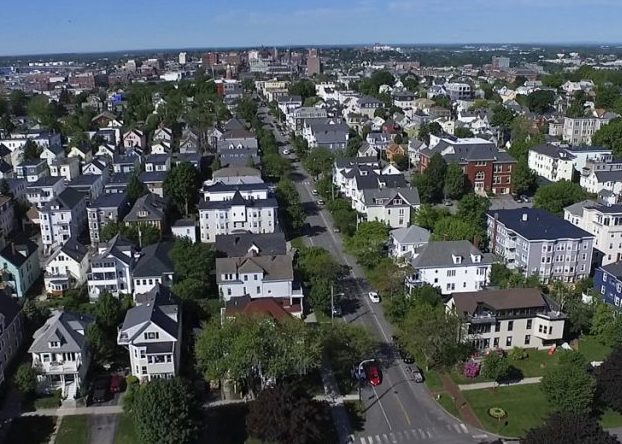
Viable ideas include setting up a revolving loan fund, encouraging a multifamily approach and building off-peninsula.
short-term rentals

Posted inCoastal Journal, The Forecaster
Freeport sees first look at short-term rental ordinance
The proposal would include mandatory registration, penalties for non-compliance and a limit on the number of people allowed.
advertisement

Posted inBusiness, Local & State
Maine had more Airbnb summer guests, with hosts earning almost $56 million

Nearly 300,000 guests used the online service to rent rooms, apartments and homes in Maine from Memorial Day to Labor Day – almost double the number from 2 years ago.

Posted inBusiness, Local & State, News
Short-term rental operators in South Portland respond to threat of legal action

The city is among many communities worldwide, including Portland and Cape Elizabeth, wrestling with rentals listed on websites such as Airbnb and HomeAway.

Posted inBusiness, Local & State, News
South Portland plans crackdown on short-term-rental scofflaws
The city is poised to send a letter threatening fines and possible court action if operators don’t comply with regulations approved by voters.

Posted inLocal & State, News
Cape Elizabeth resident returns to mysteriously clean house
Window blinds had been raised, sofa throws had been folded and bed sheets had been replaced with fresh linens.

Posted inBusiness, Local & State, Politics
Bill to prohibit Maine communities from banning short-term rentals draws fire
Opponents at a State House hearing say preventing towns and cities from enacting rules governing short-term rentals would be an overreach of state authority.
Posted inLocal & State, News, Schools and Education
Registration is slow under South Portland’s new short-term rental rules
Only one property was registered, inspected and licensed in the first two weeks – a single-family waterfront home near Willard Beach offering hosted stays overlooking Casco Bay.

Posted inLocal & State, News
Lawsuit threat looms over South Portland’s short-term rental rules
While city officials prepare to enforce new short-term rental regulations starting Jan. 1, some operators appear to be taking 2019 reservations for unhosted stays that will be illegal in residential zones.

Posted inLocal & State, Local Elections, News
South Portland moves to enforce short-term rental rules on Jan. 1
People running brief, unhosted rentals in residential neighborhoods have nearly two months ‘to cease operating them as such, and to begin using their properties’ in compliance with city ordinances.