
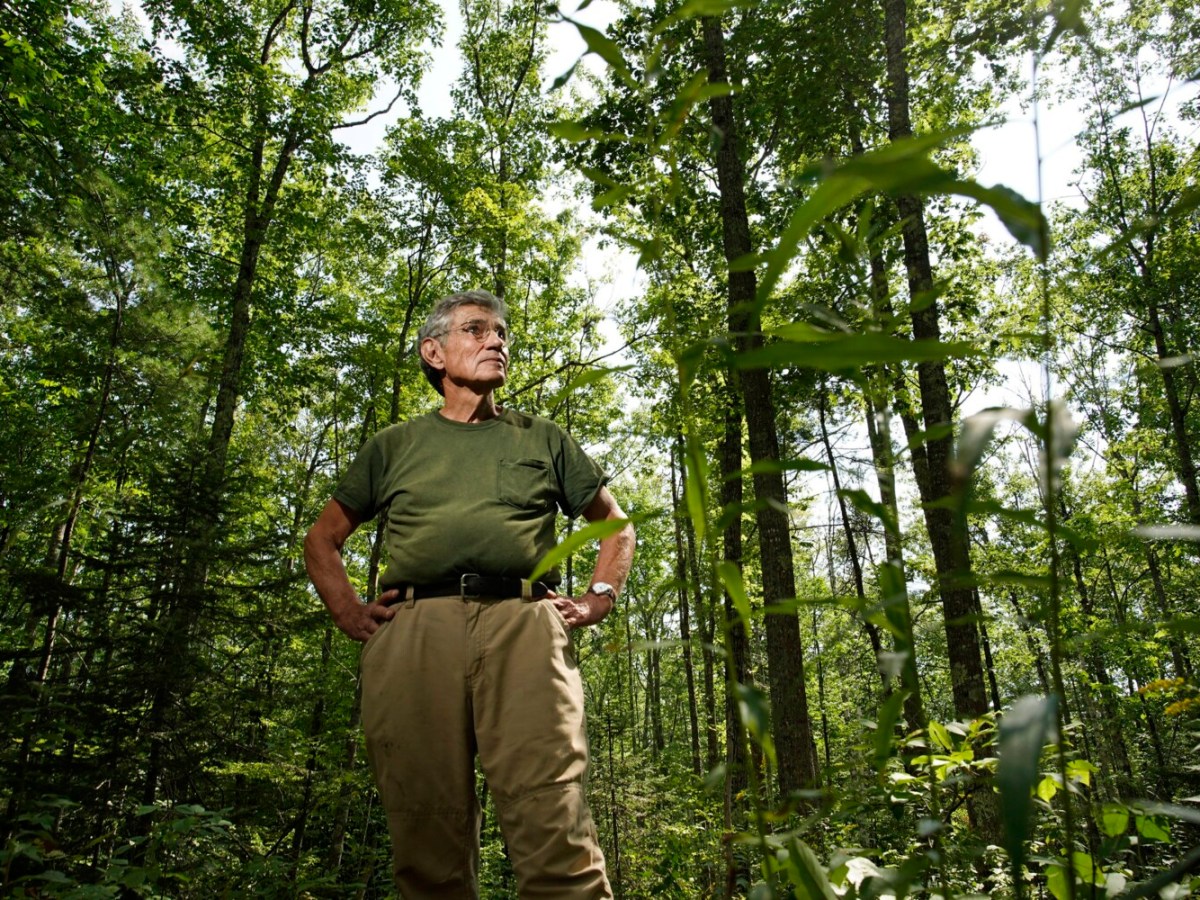
Ninety percent of Maine is forested land, which makes us the state with the largest carbon-storage service in New England. One important strategy in reducing the effects of climate warming is to store carbon in soils, trees and perennial agricultural crops. Maine already stores about 60% of the carbon it emits in our young forests. […]
maine department of agriculture

Posted inBusiness, Local & State
Flocks at elevated risk for highly infectious avian flu in Maine

Strains of the virus have led the U.S. poultry industry to euthanize more than 15.6 million chickens and 1.3 million turkeys since Jan. 1. One Maine farm has lost 250 birds this year.
advertisement
Posted inLocal & State, News
Second case of avian flu detected in backyard birds in Knox County

The first case was confirmed on Sunday and the second on Wednesday; the USDA conducted tests and found the presence of the H5N1 strain in both flocks of birds.
Posted inLocal & State
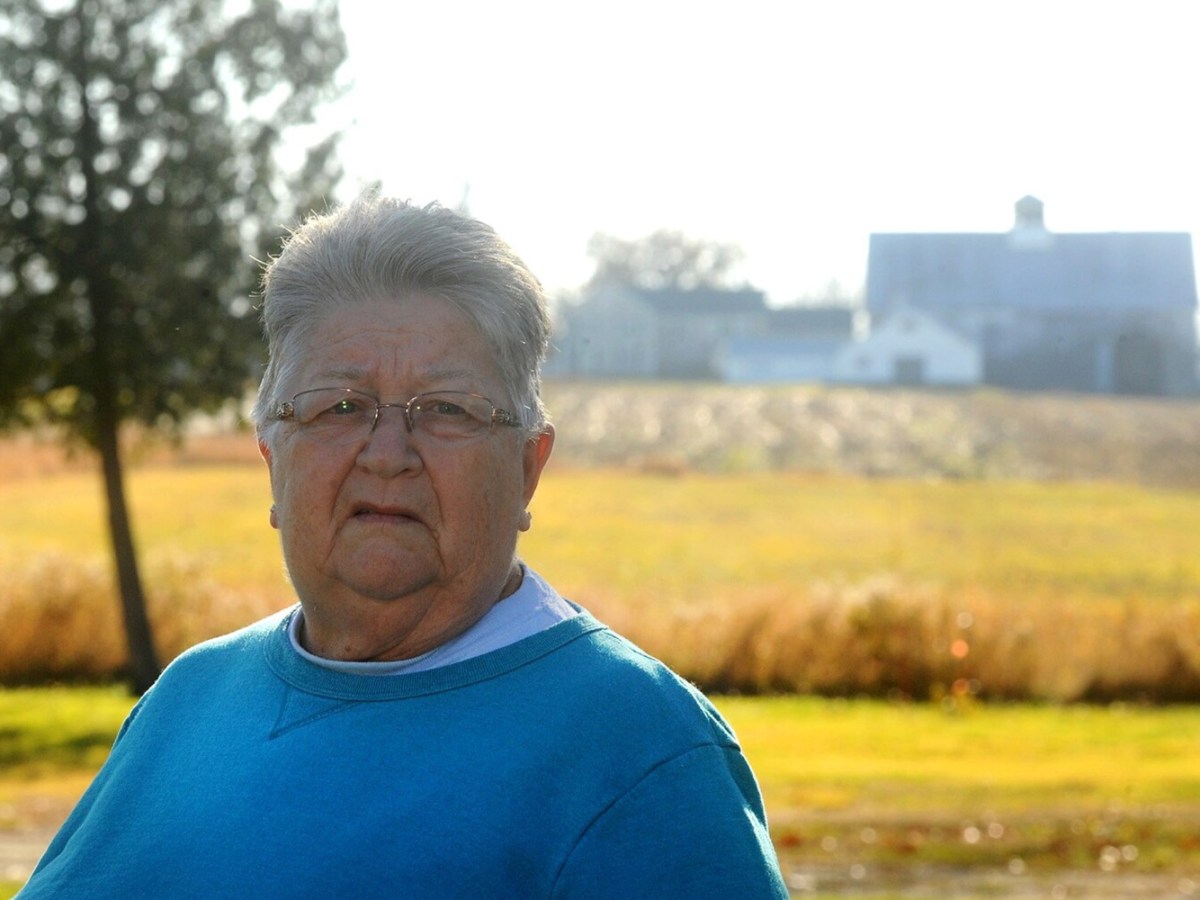
State continues testing farmland in Fairfield as another resident told to stop using well water

“My right to clean water has been taken away from me and I didn’t have anything to do with it,” Judy Poulin, 77, of Fairfield said. In October, Poulin was told to stop using the water from her well after it was shown to have high levels of toxic chemicals.
Posted inLocal & State, News
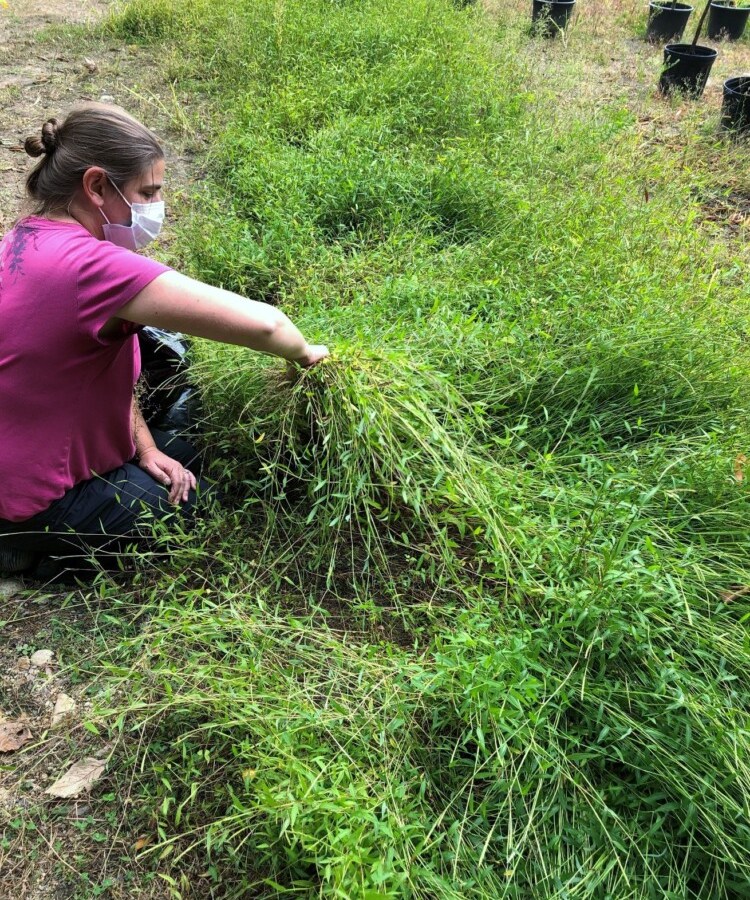
‘Severely invasive’ grass found in York County

Japanese Stiltgrass, which can prevent native plants from growing, was found at a nursery in York County, according to state officials.
Posted inOp-eds, Opinion
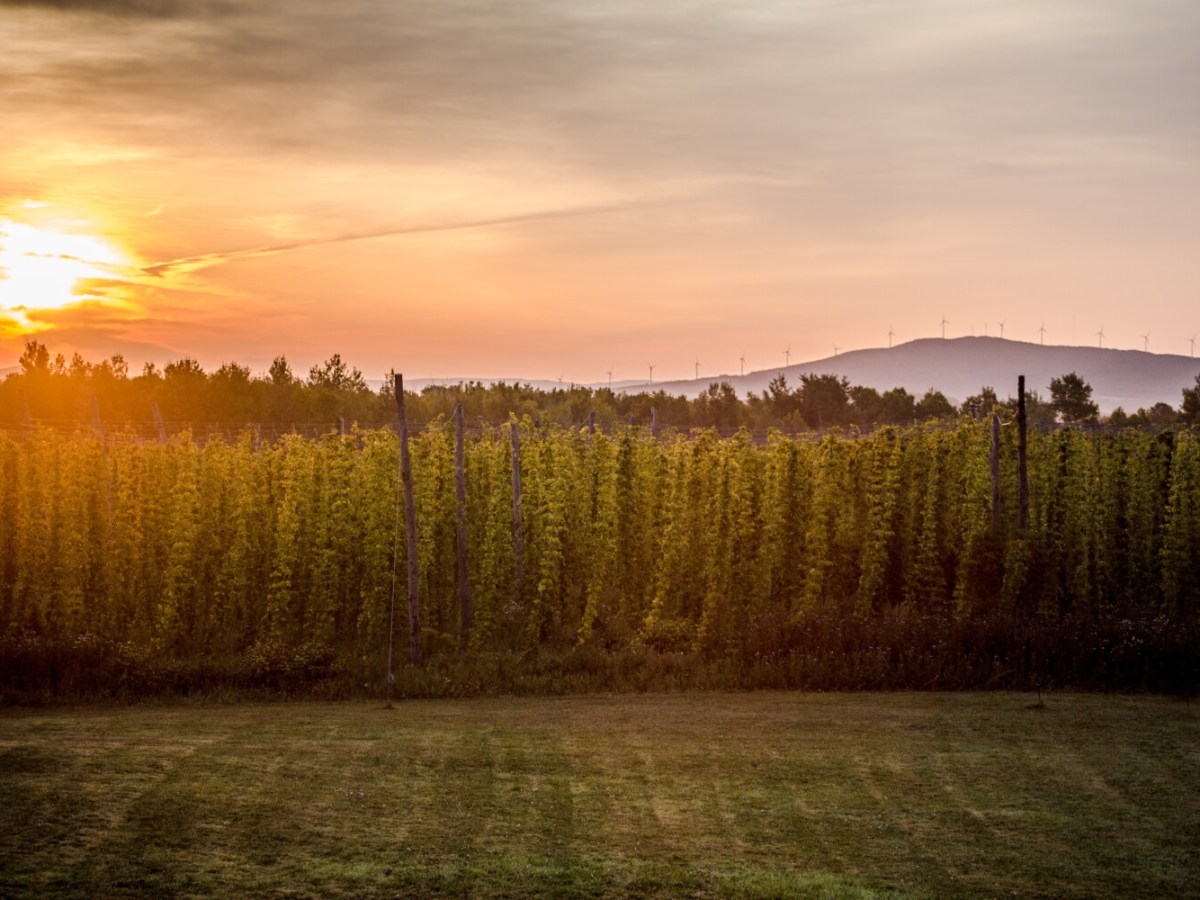
Commentary: Supporting our farms is key to Maine’s public health, economic recovery
Gov. Mills and the Legislature must consider how important food security is for all of us in Maine.
Posted inOp-eds, Opinion
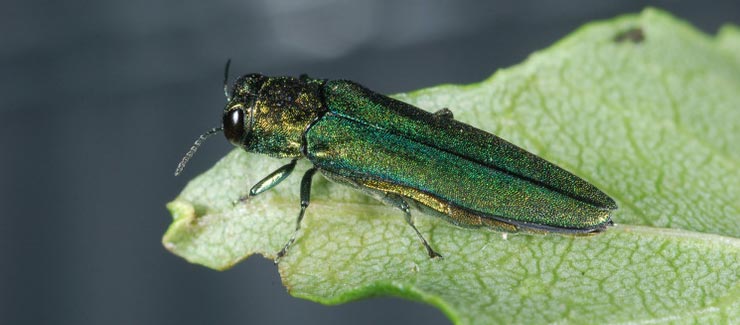
Commentary: Integrated pest management uses science to protect crops, lands
Invasives can be managed in a way that benefits Maine’s environment and saves forests, gardens and green spaces for future generations.
Posted inEditorials, Opinion
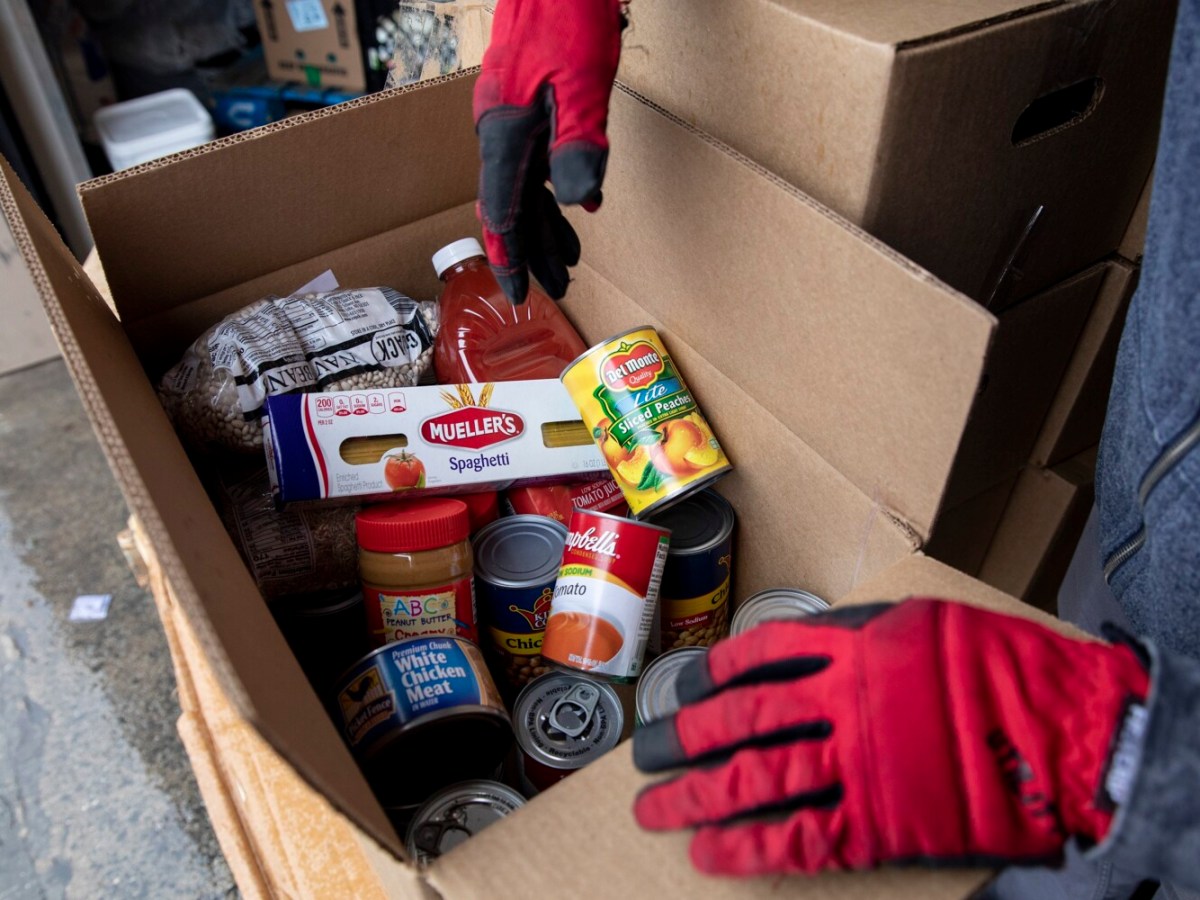
Our View: Maine is left on its own as hunger increases
The state is left out of a federal program created to put fresh, healthy food into the hands of struggling Americans.
Posted inTimes Record
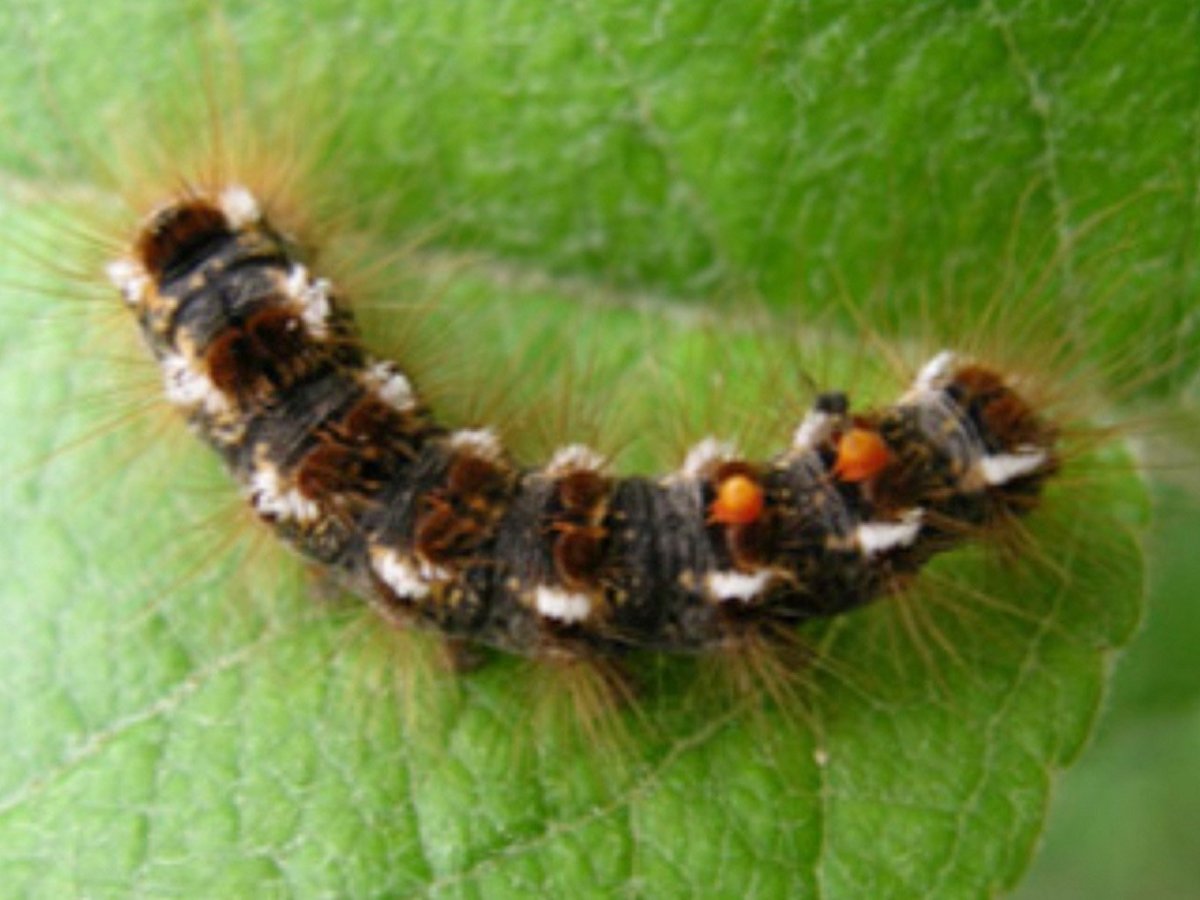
Forget ‘murder hornets,’ Maine officials warn itch-inducing caterpillars are coming back


Maine Department of Health and Human Services officials are urging the public to take precautions against browntail moth caterpillars, which are covered in toxic hairs that release into the air and can cause a skin reaction like poison ivy and trouble breathing if inhaled.
Posted inMaine Voices, Op-eds, Opinion
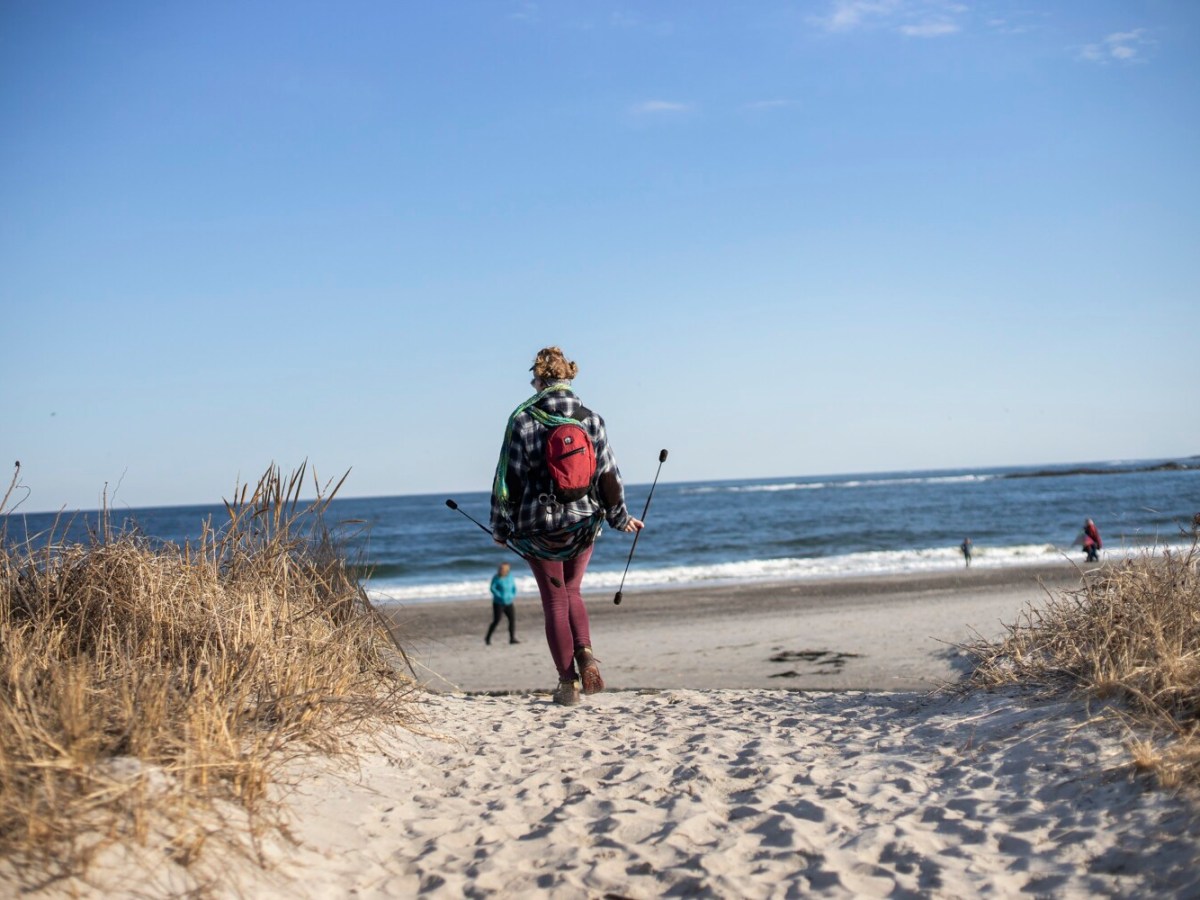
Maine Voices: Let’s enjoy Maine’s outdoors responsibly during COVID crisis
Lawmakers can help by investing in the federal and state programs that make public lands available.