


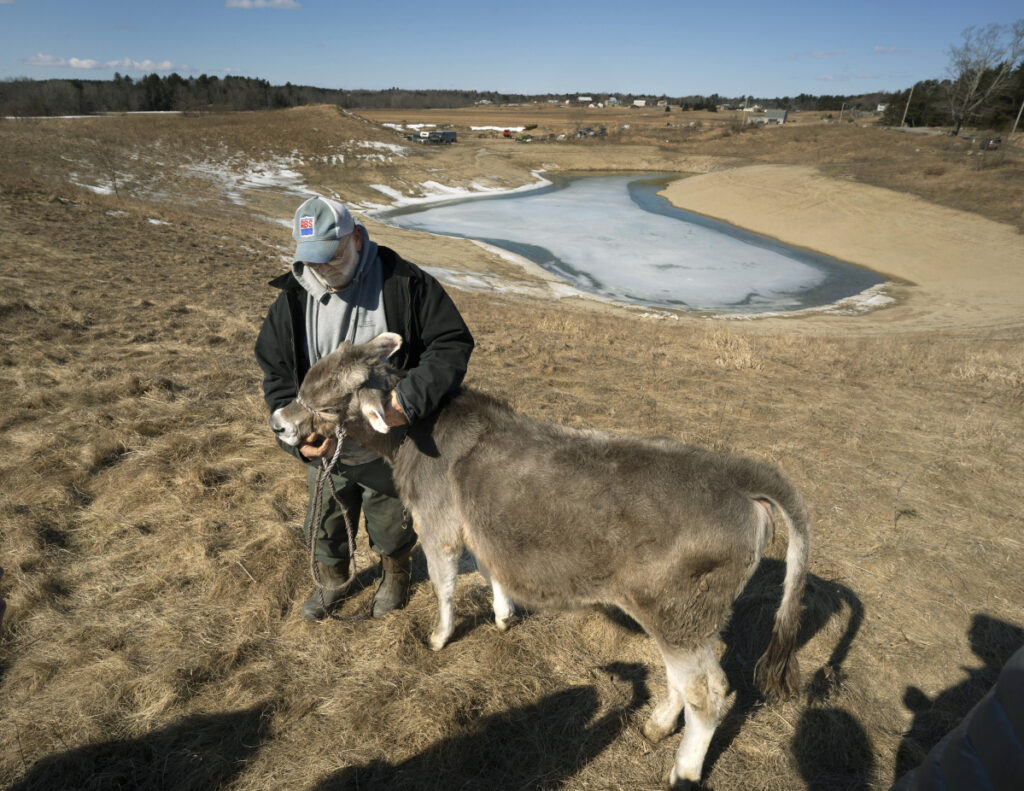
Durham rancher says he’s concerned about the source of the bacteria and what the state is going to do moving forward.
maine department of agriculture

Posted inBusiness, Local & State
Solar and wind developers must pay extra to build on farmland. The question is, how much?

As demand grows for solar projects, the Legislature directed that rules be drawn up to govern compensation paid by solar developers to boost farmland conservation.
advertisement
Posted inLocal & State, News
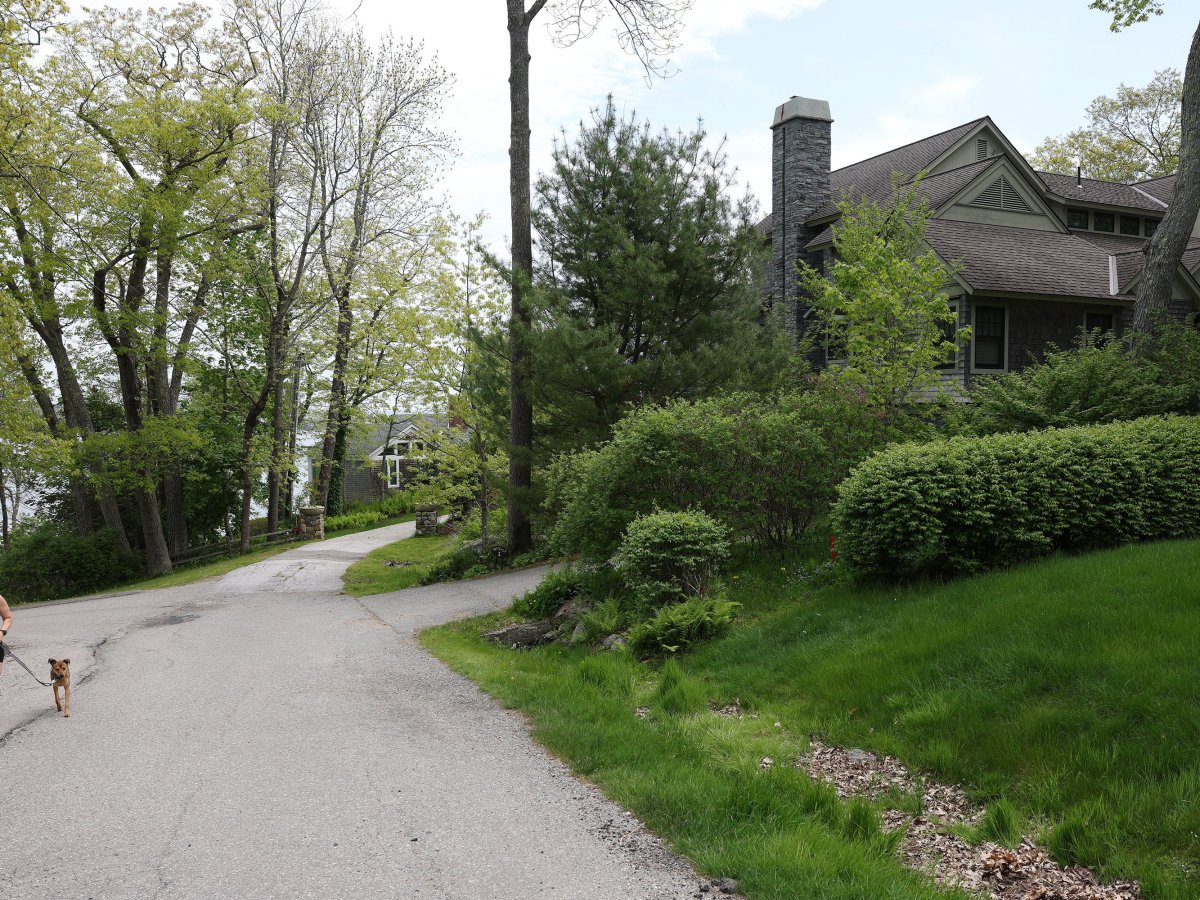
In Camden, a story of wealthy neighbors, ocean views and over $1.7 million in fines

An unusual case in Midcoast Maine, which involves feuding landowners and a town-owned beach, is still unfolding. It all started with a pesticide.

Posted inLocal & State
Casco Bay island park honoring North Pole explorer closed for season due to storm damage

Back-to-back storms in January washed away the only pier at Eagle Island, where Adm. Robert Peary built a summer home.

Posted inTimes Record
Intertidal: Popham Beach’s already-eroding shoreline suffers from storm damage
The Maine Department of Agriculture, Conservation and Forestry teamed up with the Maine Geological Survey to build a protective barrier on the dunes using Christmas trees to help catch windblown sand and hold it in place so the dunes can build back up after suffering severe erosion.

Posted inBusiness, Local & State, News
There’s no offseason for Maine farmers as they strive to survive the winter months

In a challenging landscape for the mostly family-run operations, many use the winter months to enhance their survival, finding ways to boost production or diversifying what they offer.
Posted inLocal & State
Cost of helping farmers manage PFAS is rising, now at $81 million
A five-year plan to help farmers includes $37 million for direct financial support, $25 million to buy contaminated farms, $11 million for agricultural research, and $7 million on medical testing and monitoring.
Posted inLocal & State
First cases of avian flu reported in Kennebec County

Both wild birds and a domestic flock in Kennebec County have been found to be infected with highly pathogenic avian flu this year.

Posted inLocal & State
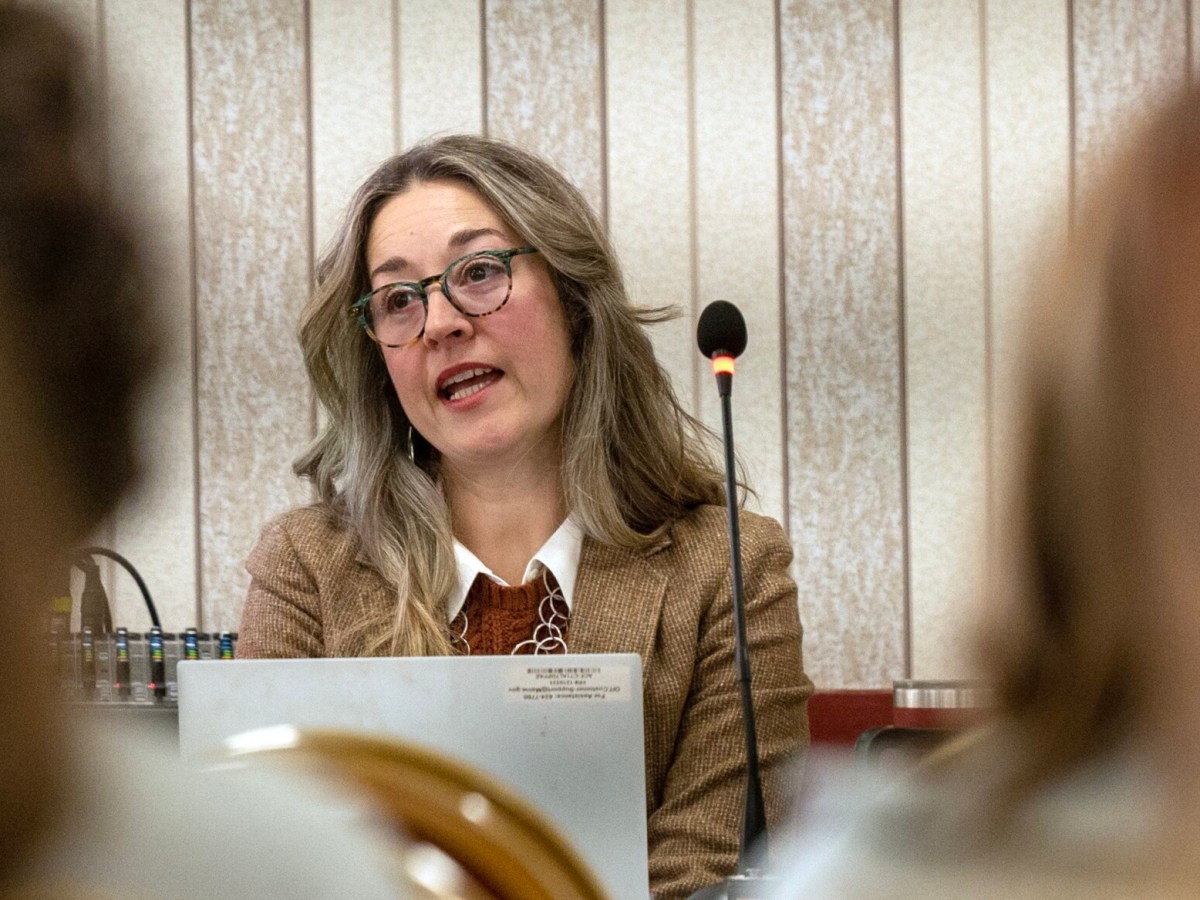
PFAS levels in livestock can diminish if contamination source removed, state officials say

Research has found that once a contamination source is removed from a farm, PFAS levels in livestock will drop to the point that products derived from the animals can be sold to consumers, officials said at a public forum last week.
Posted inLocal & State
Early round of PFAS testing of groundwater finds 75% of Maine sites within safe levels
The state last year tested more than 1,600 private wells seen as high-priority sites, and inspectors this year will test hundreds more for groundwater contamination.