

The We Must Do MORE Tour, a civic engagement movement grounded in the concerns of the poor, is coming to Portland on Oct. 10.
LGBTQ
Posted inArts & Entertainment, Local & State, News
‘It: Chapter Two’ film portrays painful true chapter of LGBTQ history in Maine
Bangor resident Charlie Howard was attacked and thrown off the city’s State Street Bridge in 1984, an event depicted in a scene from Stephen King’s book and the movie.
advertisement
Posted inNation & World, News, Politics
Board member of Log Cabin Republicans resigns after group endorsed Trump’s reelection
Jennifer Horn, of New Hampshire, cited his attacks on women and immigrants, as well as efforts to roll back civil rights protections for LGBTQ people, in her resignation.

Posted inArts & Entertainment, Business, News
Suit claims YouTube discriminates against LGBT content by unfairly restricting it
The suit adds to allegations against the video streaming site that it enforces its policies unevenly.
Posted inOp-eds, Opinion
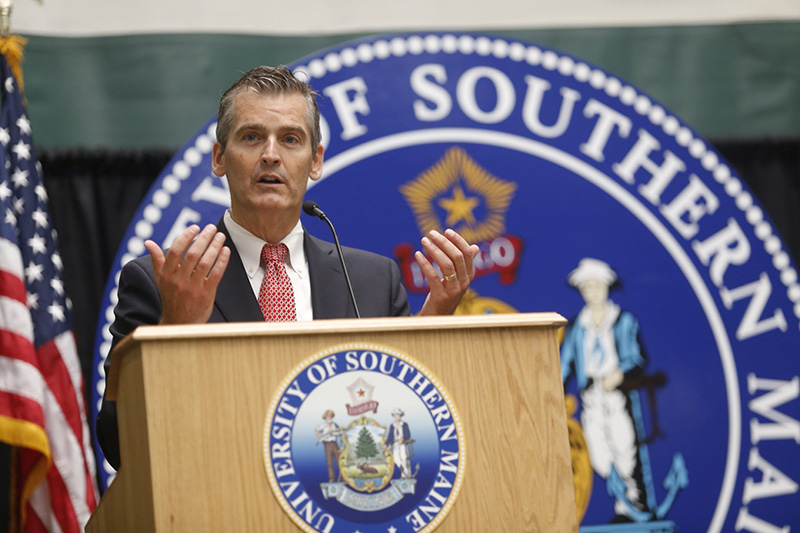
USM president: In order to grow, university must address issues of equity, justice
Disciplinary actions, hiring policies and resource allocation should reflect answers to questions about access, safety, opportunity, visibility and power.
Posted inArts & Entertainment
Support, visibility building for LGBTQ diversity on children’s TV
From a girl knight-in-training with two dads to a 12-year-old, non-binary protagonist who doesn’t want to grow up, LGBTQ representation in children’s TV is becoming more common.

Posted inEditorials, Opinion
Another View: Mike Pompeo’s new panel on human rights is unnecessary and maybe dangerous
He’s hinting at an attempt to narrow the definition of the rights for which the U.S. will hold other countries accountable.
Posted inBusiness, Nation & World, News, Politics
More than 200 corporations ask Supreme Court to defend LGBTQ people from bias
The companies urge the U.S. Supreme Court to rule that federal civil rights law bans job discrimination on the basis of sexual orientation and gender identity.
Posted inBusiness, Nation & World, News
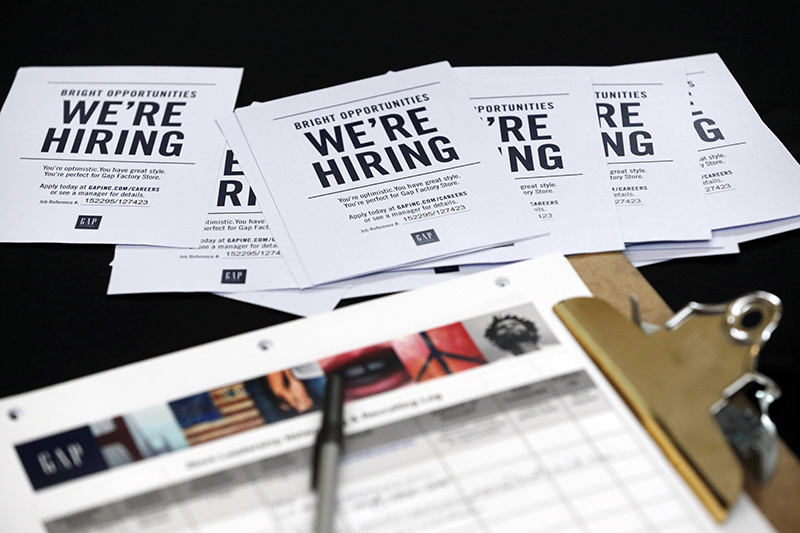
Employers prepare for a gender non-binary world
Larger companies have begun making small but measurable efforts to recognize gender non-binary workers or customers

Posted inOp-eds, Opinion
Kathleen Parker: Why young Americans may be conservatives at heart
They’d benefit from a government that removes economic and educational obstacles, promotes school choice and makes marriage more fiscally appealing, studies show.