


Maine is still the most heating-oil dependent state in the country, but a growing share of Mainers are sourcing heat from electricity and other types of fuel.
heat pumps
Posted inBusiness, Local & State, News
Maine loses $15M for energy efficiency, heat pump loans

The U.S. Environmental Protection Agency is canceling $20 billion nationwide in grants and other sources of funding authorized by the Inflation Reduction Act.
advertisement
Posted inBusiness, Local & State, News
How much money has been spent subsidizing heat pumps in Maine?
Over $135 million, and more is on the way. Gov. Janet Mills says the incentives are reducing the state’s reliance on heating oil.

Posted inOp-eds, Opinion
Opinion: Heat pumps still represent a golden opportunity for Maine
We can’t rest until all households are able to access a clean-energy technology that lowers costs, improves air quality and cuts pollution.

Posted inBusiness, Local & State, News
Maine’s energy efficiency agency is bullish on electric heat pump installation
A shift in incentives to whole-home heat pumps prompts questions about cost and vulnerability in power outages.

Posted inBusiness, Nation & World, New England
Americans tapped $8 billion in tax credits on green home energy upgrades last year
Far more taxpayers than projected claimed the Inflation Reduction Act incentives on solar panels, heat pumps and other climate-friendly projects, data shows.
Posted inBusiness, Local & State, News
Portland Adult Education to expand heat pump apprenticeship program
It is one of six groups to receive a combined $2 million in grants for clean energy workforce training programs through the Maine Governor’s Energy Office.
Posted inBusiness, Local & State, News
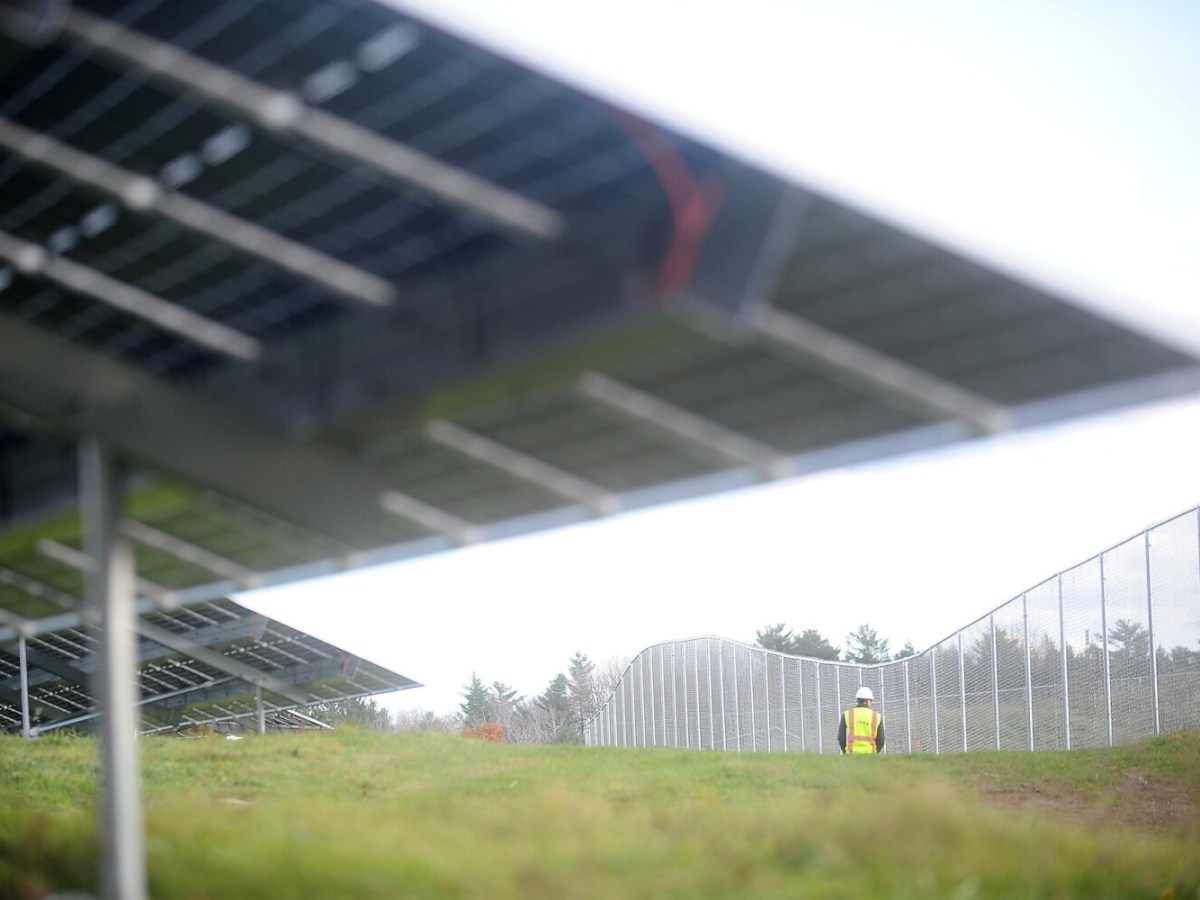
U.S. agriculture chief announces $4 million for Maine solar projects
Small businesses, including farms, will receive federal money to install rooftop and ground-mounted solar projects, low-energy lighting, and heat pump systems and to help to advance clean energy projects.

Posted inSponsored
When not to get a heat pump in Maine
And of course, a few reasons why you should get one. The top reason? To keep things cool.

Posted inBusiness, Local & State, News
Subsidized heat pump installation is driving growth of clean energy jobs in Maine
Maine’s ‘clean energy economy’ accounted for 15,000 jobs at the end of 2022, posting stronger growth than the economy generally, according to a study commissioned by the Governor’s Energy Office.