


As the sun neared the horizon on the longest day of the year, a lovely ruckus unfolded at Range Pond State Park in Poland. The event, Vigorous Tenderness, was a museum-like aural experience set in the great outdoors to mark Wednesday’s summer solstice. Story and photos by Staff Photographer Ben McCanna.
Ben McCanna
Ben McCanna has been a staff photographer and occasional writer at the Portland Press Herald/Maine Sunday Telegram since 2015 and has been working for newspapers since 2010.
Ben studied creative writing and literature at Emerson College and embarked on a decade-long career in publishing after graduating in 1997. In his mid 30s, Ben shifted careers by taking a job as a reporter at a small newspaper in northwest Colorado and never looked back. Over the years, he slowly transitioned from writer to photographer - his true passion.
Ben is a 2018 winner of an Award of Excellence from Pictures of the Year International. He lives on Peaks Island with his wife, a nurse practitioner, and two sons.

Posted inSports, Varsity Maine
In photos: See the action from Tuesday’s high school baseball and softball state championships
Check out some of our favorite images from Tuesday’s high school Class A, C and D baseball and softball state championships.
advertisement

Posted inSports, Varsity Maine
In photos: See the action from Monday’s high school lacrosse state championships
Check out some of our favorite images from Monday’s high school Class A and C lacrosse state championships.

Posted inArts & Entertainment, Local & State
One of Us: Drumming her way to ‘a full-body experience’
Nyssa Ornitier found a community that fit her in the world of heavy metal.

Posted inSports, Varsity Maine
In photos: See the action from Friday’s high school lacrosse state championships
Check out some of our favorite images from Friday’s high school Class B lacrosse state championships.
Posted inSports, Varsity Maine
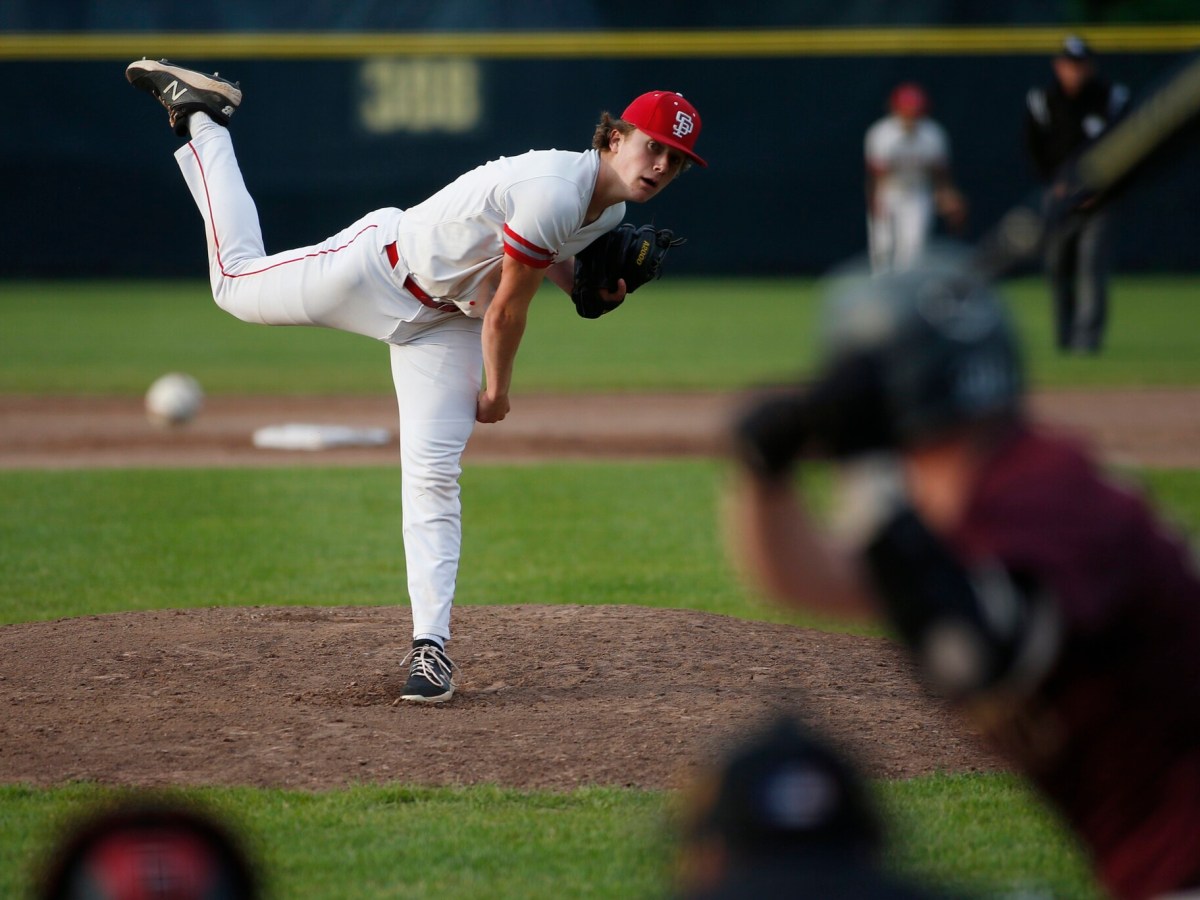
In photos: See the action from some of Wednesday’s high school playoff games
Check out some of our favorite images from Wednesday’s high school baseball and softball playoff games.

Posted inLocal & State
In photos: Spring is in the air


For gardeners, it’s tilling the ground anew. For beachgoers, it’s the first bracing dip of the year. For anglers, it’s the first bite from a striper along Maine’s warming coast. And for the Press Herald’s photographers, it’s a little of everything as they capture spring across southern Maine.
Posted inSports, Varsity Maine
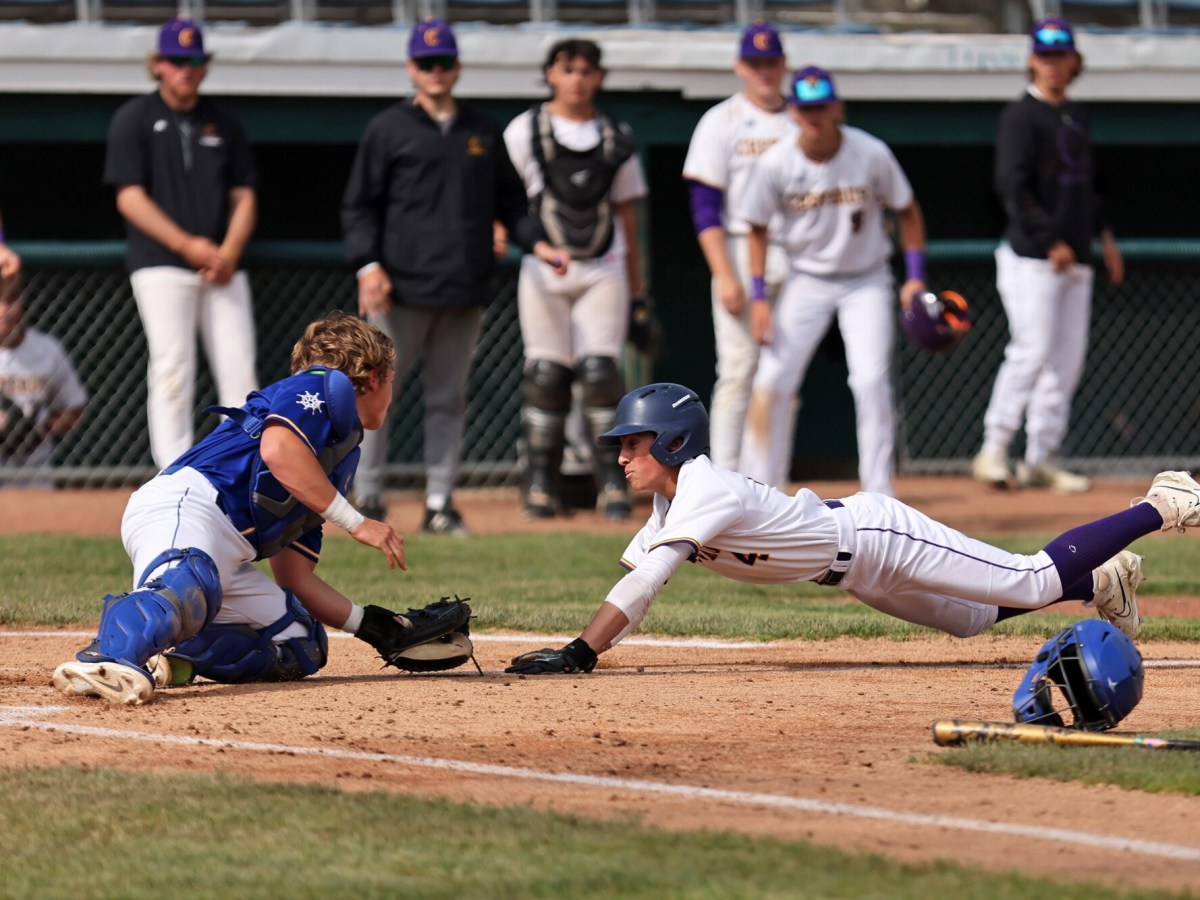
In photos: See the action from some of Friday’s high school playoff games
Check out some of our favorite images from Friday’s high school baseball and softball playoff games.

Posted inLocal & State, News
In photos: View some of the best images from ‘Long Way Home’

In ‘Long Way Home,’ Press Herald reporters and photographers told the story of the large influx of asylum seekers arriving in Maine in recent years, fleeing their homelands and embarking on dangerous journeys to make a new life in Maine.

Posted inLocal & State
In photos: Seeing blue
Blue skies were smiling and bluebirds were singing for Irving Berlin, but blue is actually nature’s rarest color. Blue flowers are less than 10% of the world’s 300,000 flowering plant species. Even some of the few animals and plants that look blue don’t actually contain the color. Blue jays and Morpho butterflies, for example, have developed unique features that distort the reflection of light to appear blue.
Humanity has been obsessed with blue for thousands of years, from ancient Egypt when blue, the color of the heavens, was used in temples, ceramics and statues and to decorate the tombs of the pharaohs. In Medieval Europe, ultramarine blue was highly sought after among artists but was as precious as gold. Johanns Vermeer, who painted ‘Girl with a Pearl Earring,’ loved the color so much that he pushed his family into debt to purchase the paint color. Art historians believe Michelangelo left his painting ‘The Entombment’ unfinished because he couldn’t afford to buy more ultramarine blue.
In 2009, Mas Subramanian and his then-graduate student Andrew Smith discovered a new blue pigment, YlnMn Blue, by accident, the first blue pigment discovered in more than 200 years. He had published hundreds of scientific articles and applied for dozens of patents, but it was his accidental discovery of a new vivid blue that excited the popular imagination and resulted in everything from a new Crayola crayon to a music festival in Atlanta.