
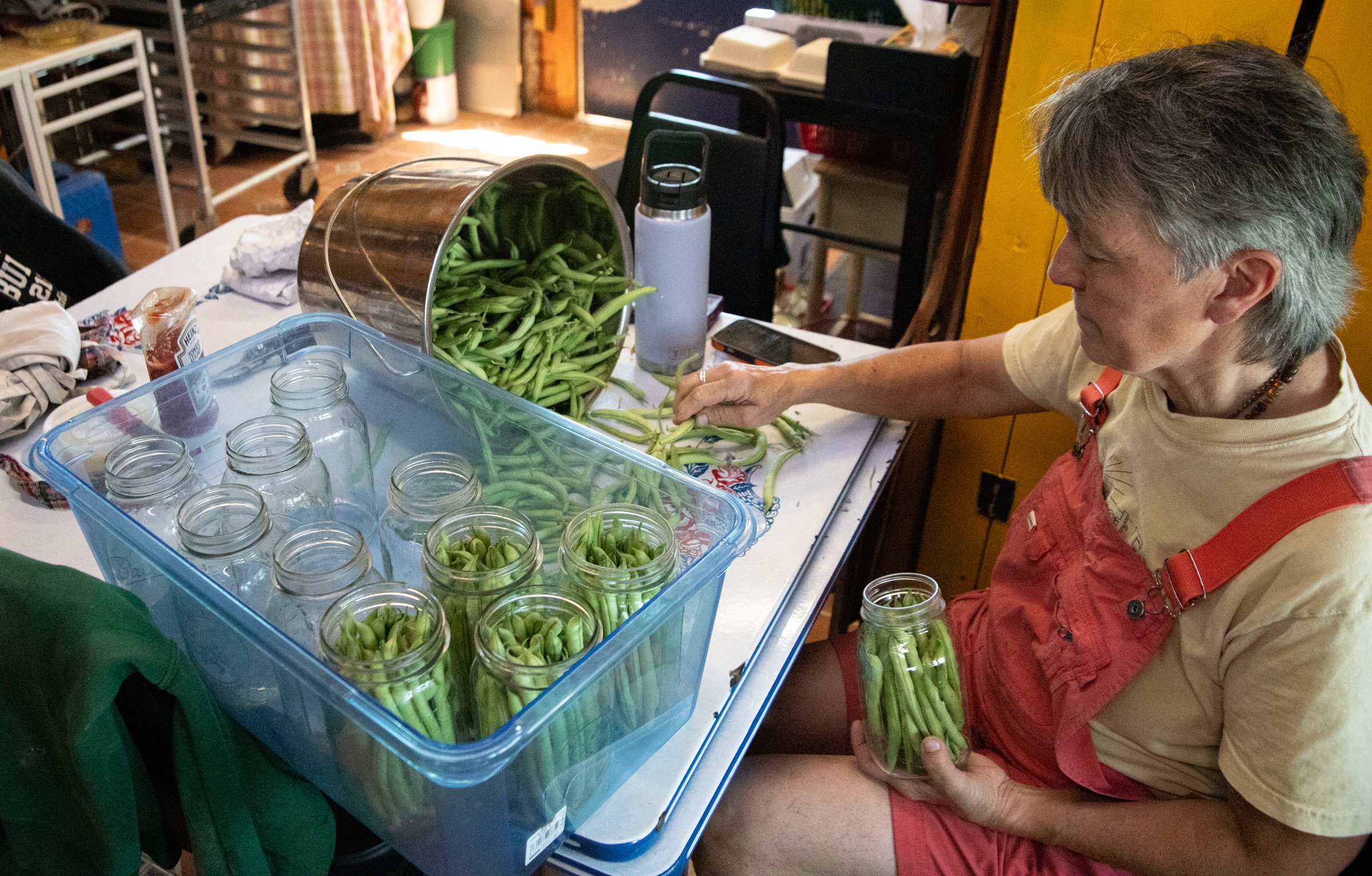
This is the second installment in our two-part series on preserving fresh food for year-round enjoyment. In our previous column from Sept. 10, we covered basic to intermediate food storage tips and showed how to enjoy delicious vegetables throughout winter using garden produce.
This week, we’re exploring advanced techniques for gathering and preserving your favorite foods in bulk so you can savor them long after harvest season.
Imagine opening your pantry to see rows of jewel-toned jars you filled with your own preserved harvests — no corporate logos, no plastic waste, just pure food you’ve saved at peak freshness. Here are some advanced actions to make this happen in your home!
Smart seasonal buying
If you’re gathering fresh food from your own garden or buying it at a farmers market, track prices throughout the year and buy in bulk when items hit seasonal lows. When crops are abundant, prices drop significantly. Partner with neighbors to split cases from farmers markets or get a community-supported agriculture (CSA) share to cut the costs added by distributors.
Once you do that, you can use basic preservation methods such as simple freezing techniques or basic water bath canning, described in our last column. In this column, we present some advanced techniques.
Advanced freezing methods
Use moisture-proof containers for meats and fish, removing as much air as possible to prevent freezer burn. Label everything with contents, date and quantity. Keep a journal of what you stored and how (and by when) you plan to use it, including preparation instructions. Refer to this journal when planning meals and before heading to the grocery store each week.
Drying
Solar drying makes wise use of abundant summer sunshine, though it requires consistent monitoring and protection from insects. If you need a more convenient way to dry food, use an electric dryer appliance or an electric oven. Avoid burning fossil fuel whenever possible. Dry herbs at 100 degrees or below to preserve essential oils. Fruits and vegetables dry best between 120 and 140 degrees — higher temperatures will cook rather than dry them.
Fermentation basics
Lacto-fermentation uses naturally present lactic acid bacteria to preserve vegetables. Sauerkraut is especially simple: Shred cabbage, add 2% of its weight in salt (20 grams of salt per 1 kilogram of cabbage), massage until the liquid releases, pack into jars, and press down with a plate or lid to create a two-inch headspace. Leave to ferment at room temperature for a week. The salt creates an environment favorable to beneficial fermenting bacteria while preventing the growth of harmful pathogens.
Pressure canning for low-acid foods
Pressure canning opens up possibilities for preserving a wider range of vegetables, meats and soups because it reaches 240 degrees — the temperature required to destroy Clostridium botulinum spores that can survive in low-acid foods. (Canning in a bath of boiling water only reaches 212 degrees, not quite hot enough to safely preserve low-acid foods.)
Vacuum sealing for extended storage
Vacuum sealing dry goods, such as rice, beans, flour and dehydrated foods, extend their shelf life by eliminating oxygen that causes deterioration. Note: This is NOT the same as unsafe “dry canning” or “oven canning” — vacuum sealing doesn’t involve heat processing. (Don’t vacuum-seal sugar crystals or you’ll create a solid block.)
Integrated preservation systems
Combine methods for maximum flexibility:
- Blanch and freeze summer vegetables in meal-sized portions.
- Dehydrate extras for soups and stews.
- Ferment some for probiotic benefits.
- Can favorites for shelf-stable convenience.
- Calculate your return on investment: A pressure canner ($150), dehydrator ($200) and quality reusable storage containers ($300) can save a family of four approximately $2,000 annually in grocery costs while eliminating thousands of plastic bags and containers over their lifetime.
- Design your preservation strategy around local seasonal availability:
- Spring: Preserve asparagus, strawberries, and early greens.
- Summer: Focus on tomatoes, stone fruits, and summer squash.
- Fall: Process apples, pears and root vegetables.
- Winter: Ferment cabbage, preserve citrus, and plan next year.
Community-scale preservation
Share expensive equipment, such as pressure canners, vacuum sealers and large dehydrators, among multiple families. Could your town create a community kitchen open to the public to share knowledge, recipes, and home-grown and safely preserved food?
Container safety and maintenance
Never use cracked or damaged containers that can compromise seals and lead to contamination. Ensure food safety with proper container care:
- Sterilize jars and lids before use.
- Check jar rims for chips that prevent sealing.
- Replace rubber gaskets on reusable lids when worn.
Store empty containers with lids slightly loose to prevent odor retention. When you preserve food in reusable containers, you’re not just saving money — you’re supporting local agriculture, reducing food waste, minimizing plastic pollution and ensuring your family has access to nutritious food throughout the year.
Peggy Siegle and Fred Horch are principals of Sustainable Practice. To receive expert action guides to help your household and organizations become superbly sustainable, visit SustainablePractice.Life and subscribe for free to “One Step This Week.” Our new book, “Your Earth Share: Seven Pathways to Sustainable Living,” is also available for purchase on our website.
We invite you to add your comments. We encourage a thoughtful exchange of ideas and information on this website. By joining the conversation, you are agreeing to our commenting policy and terms of use. More information is found on our FAQs. You can update your screen name on the member's center.
Comments are managed by our staff during regular business hours Monday through Friday as well as limited hours on Saturday and Sunday. Comments held for moderation outside of those hours may take longer to approve.
Join the Conversation
Please sign into your Press Herald account to participate in conversations below. If you do not have an account, you can register or subscribe. Questions? Please see our FAQs.