
Sen. Eric Brakey, the Republican incumbent, of Auburn, is running for re-election to Maine Senate District 20 against Democrat Kimberly Sampson of Auburn.
District 20 covers Auburn, Mechanic Falls, Minot, New Gloucester and Poland.
Brakey, 28, is a financial records manager for Brakey Energy and has served one term in the Legislature.
Sampson, 37, is a dental hygienist and recent graduate of the University of Maine School of Law.
Brakey said he wants to focus on job creation in the state. He aims to control government spending by reforming welfare and lowering income taxes. This, he said, will help foster home businesses and will attract businesses outside the state to relocate here.
An issue of major importance to his constituents is welfare reform, he said.
As chairman of the Department of Health & Human Services Committee, Brakey said he has worked to ensure that resources are “going to the people who are the most vulnerable, the individuals who, through no fault of their own, are in a place where they can’t be self-sufficient.”
In the Legislature, he said, “we need to have more independent thinking and more people doing their own homework, instead of simply relying on party leadership to tell them what to do.”
Brakey said to tackle high levels of opiate addiction in the state, he “believes in a treatment-based model for helping people with addiction, not an incarceration based-model.”
He said this is both because treatment costs less than incarceration, and “provides better outcomes for the person we’re trying to help.”
Brakey said although he thought the voicemail Gov. Paul LePage left for Rep. Drew Gattine, D-Westbrook, in August was “very inappropriate,” the Legislature should not take any action. The governor hasn’t committed a crime, necessitating impeachment, and the Legislature cannot censure the governor, he said.
When asked who he would support as a presidential candidate, he said he would “prefer to keep that one private.”
Brakey is in favor of Question 1, which would legalize marijuana for recreational purposes.
Legalizing marijuana so there will be “licensed and regulated businesses that are accountable to the community, selling only to adults over 21,” may help to “create a better situation for getting marijuana out of the hands of our kids,” he said
He opposes Question 2, which would levy a 3 percent income tax on people making $200,000 or more. The bill would make Maine’s income tax one of the highest in the nation, he said. It may cause the wealthiest people to leave the state, he said.
Brakey does not support Question 3, which would require background checks for private gun sales. He said if the law passes it would make it criminal to lend a gun to a friend, a practice he said is part of the sports-shooting culture of Maine.
He does not support Question 4, to raise the minimum wage from $7.50 to $12 per hour, because it will “take the bottom rung off the employment ladder” and create barriers for people with little work experience or who lack education from getting hired, he said.
Brakey said although he supports the policy behind question 5, to institute rank-choice voting, he will will not be voting in favor of the referendum question in November because it is unconstitutional. Attorney General Janet Mills said in March the initiative may raise constitutional concerns.
Rank-choice voting would allow voters to rank candidates in order of their preference, and second- and third-choice votes would be taken into account if none of the candidates win a majority of votes.
Although generally he does not support bonds, he said he will vote in favor of Question 6, to appropriate $100 million for road projects, because “we need to develop our road infrastructure.”
Sampson developed a passion for health-care reform while working as a dental hygienist, she said, and “knew I wanted to advocate for patients.” She went to law school with the idea of eventually running for public office.
Among the biggest problems facing the state and the Legislature is creating new jobs and better infrastructure “to make sure we are attracting the best and brightest to stay in Maine. Youth are leaving Maine in droves, and it’s really a problem,” she said.
Sampson said an issue important to her constituents is that “individuals are being taxed out of their homes,” in part due to the revenue sharing formula decided by the state. She said she wants to advocate for individuals on a fixed income, especially seniors.
Reforming health care is also important, she said, because health-related expenses are the No. 1 cause of bankruptcy. “People are choosing between putting food on the table and retirement,” she said, “(and) it’s paralyzing families.”
Sampson said she would consider punitive action against the governor, but “I would have to see what is presented before me” in terms of legislation. She said LePage’s actions are “embarrassing to those of us trying to make sure Maine has opportunities to grow.”
In response to high levels of opiate addiction in the state and the lack of funding for treatment programs, Sampson said the state should approve the Affordable Care Act, so there will be more money for treatment programs. She said the state loses $900,000 every day because it has not accepted the Affordable Care Act.
Investing in preventative care is less expensive than providing treatment for drug addiction, she said, and providing treatment is less expensive than incarcerating offenders. That, she said, is a reason to invest in preventative care.
She supports Hillary Clinton, who she says is the most qualified candidate for president.
She said she does not support the legalization of marijuana, Question 1. She said she is concerned about the drug’s potential impact on children if it is more readily available and noted that the state is already “in the middle of an opiate addiction crisis.”
Sampson will support Question 2. “This is a no-brainer, our schools need this,” she said of the initiative.
She will vote in favor of Question 3. She appreciates hunting traditions, she said, but “I recognize we have a mental health issue, and we need to make sure people who are severely mentally ill are not accessing weapons.”
Samspon said she supports Question 4, to raise the minimum wage. “We cannot reform welfare and not raise the minimum wage,” she said.
Raising the minimum wage would be particularly impactful on women, who are more likely to earn the minimum wage than men, she said. “If we empower women and help them to lift themselves out of poverty, they will do it and the money will circle back into the local economy,” Sampson said.
Sampson supports rank-choice voting because it will “raise the bar of excellence” for candidates and make sure candidates have the approval of a majority of voters, she said.
Sampson said she supports Question 6, citing the importance of building and maintaining public infrastructure.

Eric Brakey
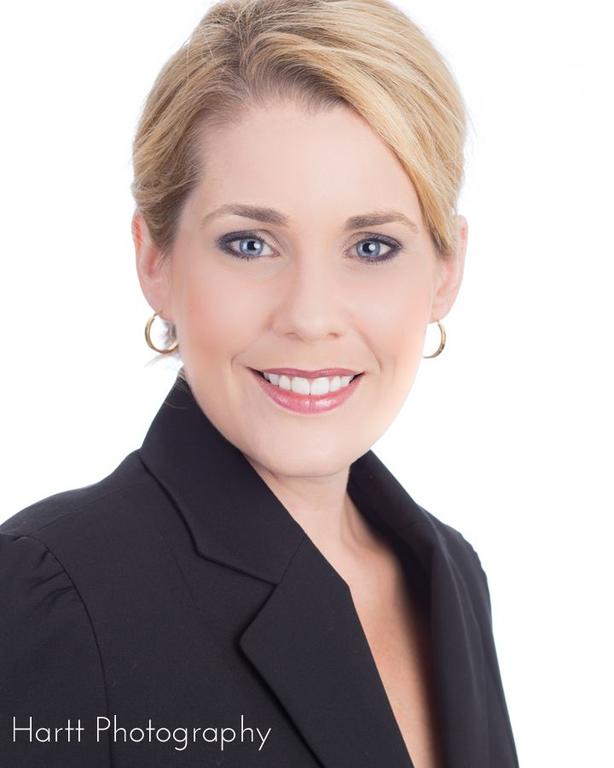
Kimberly Sampson
Comments are no longer available on this story