
Mildred Pettengill’s short, informative diaries of life on the family farm are a perfect fit for Twitter, and Twitter is a good means to inform the public of the life of the last person to live at the historic saltwater farm in Freeport.
So James Myall, executive director of the Freeport Historical Society, is using the social media platform daily throughout the year to tweet her diary entries from 1921.
Pettengill Farm has been owned and managed by the historical society for 40 years. Eleanor Houston and Lawrence M. C. Smith donated the house and property in 1975. The farmhouse is listed in the National Register of Historic Places.
Myall said he began the Twitter experiment to broaden the historical society’s presence.
“One of my hopes is to improve access to the historical society, and doing things online can do that,” Myall said. “We started tweeting on Jan. 1, and it’s been going pretty good. You get in daily doses, which gives you a sense of some of the rhythms of how the year’s going.”
Malorie Pastor, communications manager for the Maine Historical Society, said that Twitter is a good idea for a historical society project such as this.
“I think it’s an incredible tool,” Pastor said. “It brings the history to a new audience – people who you might not have reached through traditional methods.”
Mildred Pettengill worked the farm, near the mouth of the Harraseeket River, with her father, Wallace, and brother, Frank, and did most if not all the chores men did. Pettengill, who died in 1981 at the age of 88, provided a brief weather report in just about every entry. It was the winter of 1921, and the big farmhouse had no running water or electricity or snow plows.
Pettengill wrote of going to the doctor’s one afternoon, and paying $6 for a pair of glasses. Another day she gathered eggs into cartons. Once the river froze and Frank Pettengill could begin cutting ice, she wrote of hauling ice in several of her entries. She canned meat.
“Women did everything that men did and more,” said Holly Hurd, collections manager at the Freeport Historical Society. “Then they came in and made supper.”
But the family did find time for recreation, as well. One day, she took a book out at the library. They would take a sleigh ride from time to time.
The Pettengills were dairy farmers, and Mildred was the last person to live there, in 1970.
“I’m hoping this Twitter project will give people a nice history behind the Pettengill Farm,” Hurd said. “The diary is a nice personal look at Mildred Pettengill’s life, and a look at what it was like to be a subsistence farmer.”
Myall said the diary entries are brief and to the point, “so Mildred was, in some ways, tweeting before Twitter. Our goal is that the project will allow people to get a better sense of her as a person, and to gain an insight into the historical context of Pettengill Farm and Mildred’s life.”
Now that she knows about the Freeport Historical Society project, Pastor said, “we’ll be following along. We’ve toyed with the idea for doing one for Henry Longfellow.”
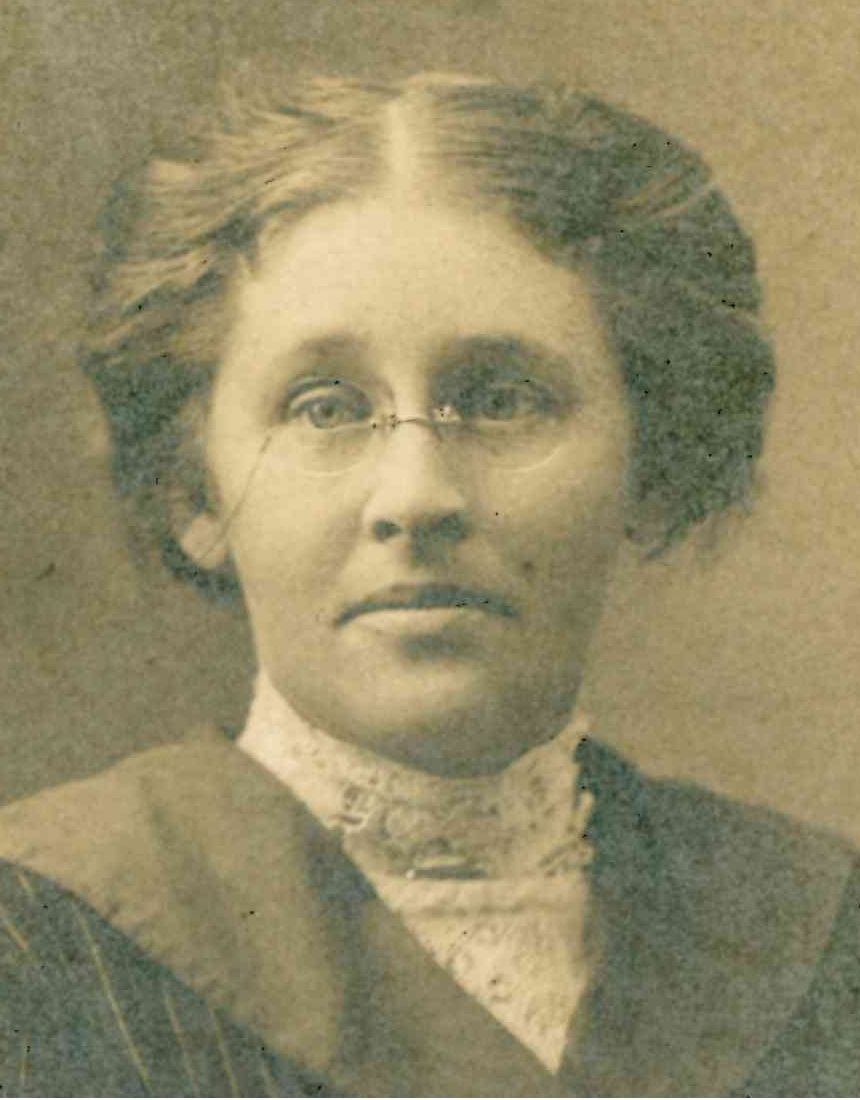 This Freeport Historical Society file photo shows Mildred Pettengill in 1910 or 1911, at age 28.
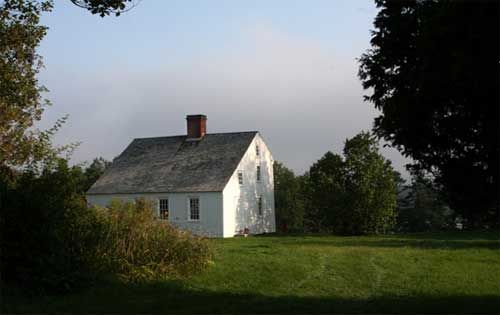 Pettengill Farm today. The Freeport Historical Society has owned and managed it for 40 years. Courtesy photo
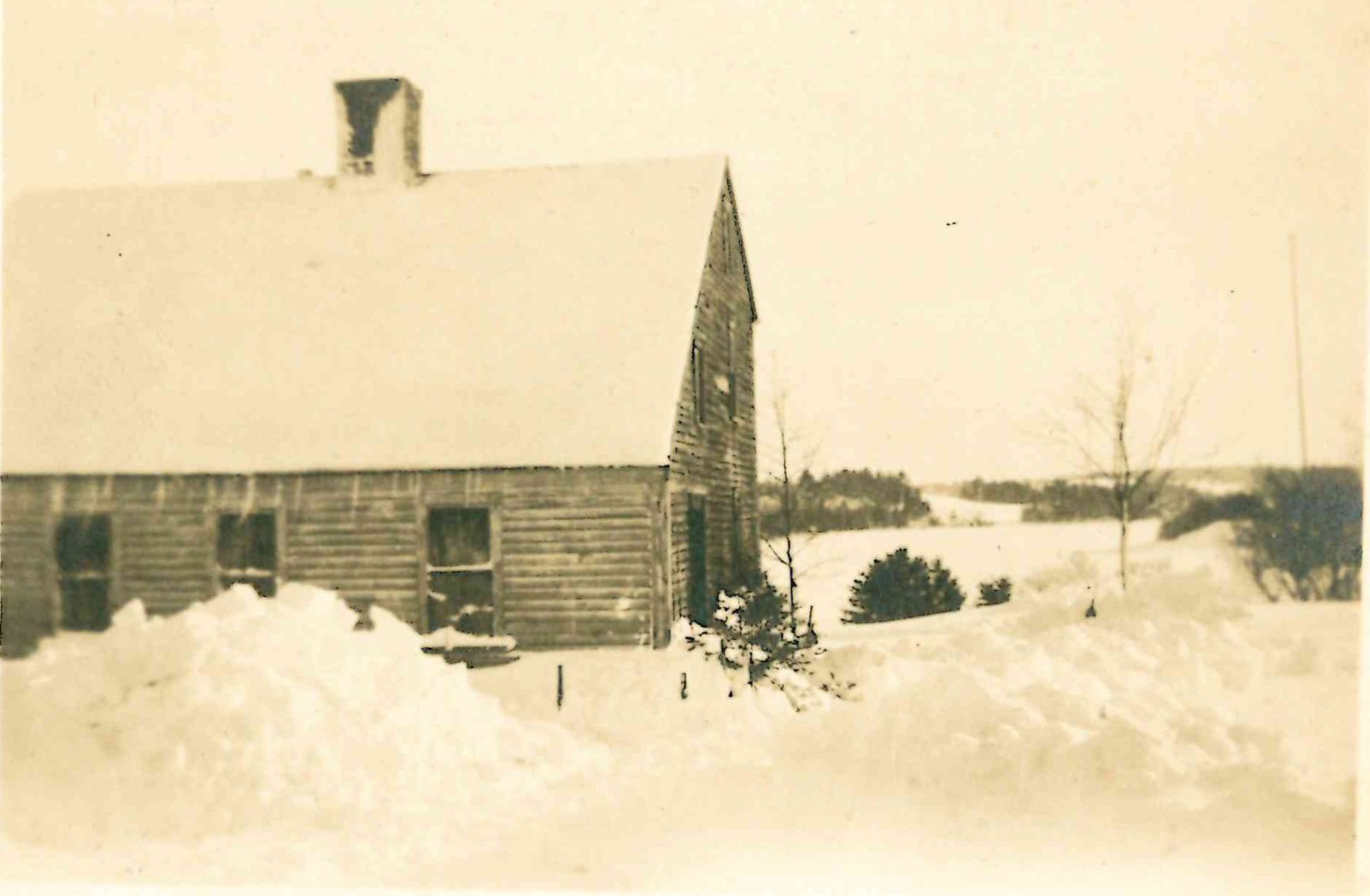 Winter at the Pettengill Farm was a difficult time. The farmhouse had no running water or electricity or snow plows. Photo courtesy of the Freeport Historical Society.
Comments are no longer available on this story