
Mary Austin is no longer able to drive, but she is still able to catch the bus to visit her grandchildren in Massachusetts, go to her favorite hairdresser and even hit the gym at 6 a.m. She may no longer be behind the wheel, but she still has the freedom a car offers.
Since giving up her license in 1997, Austin hasn’t often felt a lack of independence due to the services the Independent Transportation Network offers.
“It’s a wonderful thing,” said Austin. “Everything I need to do, that I want to do is doable.”
A recent study led by Ellen Freeman of Johns Hopkins School of Medicine suggests the freedoms easy access to transportation allows could keep Austin and other seniors out of nursing homes. The study found that non-driving seniors were four times as likely to end up in long term care.
“Older adults are expected to make good decisions about when to stop driving,” write the authors, “but the hardships imposed on older adults by not driving are not widely recognized.”
Hardships, said Austin, such as giving up hairdresser appointments, mornings at the gym and basic necessities such as going to the doctor’s or grocery store. According to the study, seniors who can no longer find transportation may end up in nursing homes, even though they may have no actual medical need to be there.
“It’s not just giving up driving,” said Austin. “It’s giving up where driving can take you.”
One solution the study suggests is to find new ways to establish transportation for seniors. The volunteer powered Transport Network, based in Portland, tries to do just that.
“We want people to use ITN in the same way they use a car,” said Director Rus Willette. “If they want to go see a friend, it’s not an issue. If they want to go out to dinner, it’s not an issue.”
For a fare of about $8 per ride, drivers will take seniors anywhere they need to go within a 15 mile radius of Portland. Seniors can also donate their cars to the fleet to receive the car’s value in rides. Though trips without prior notice are possible, 24 hour notice is requested. Serving about 900 people with an average of 320 trips a week, volunteer and some paid drivers take seniors wherever they need to go.
For Willette, losing the freedom to move around is about more than losing access to basic needs; it has a severe emotional impact as well.
“If you take a social person and then take that from their lives, it’s natural that there will be consequences,” said Willette. “At that point it’s easy to fall into isolation. Independence and dignity is the whole ball of wax for us.”
For Austin, it’s also about more than freedom to travel. Before the Independent Transportation Network, she worried about burdening her family for rides. Now, she is able to visit for events like her grandchild’s birthday on her own.
“I use it all the time,” said Austin. “It’s a wonderful, wonderful thing.”
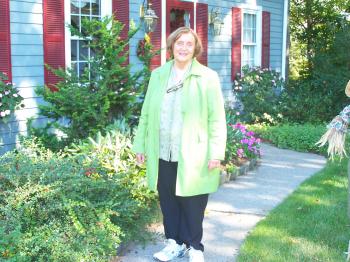 The freedom ITN gives Mary Austin helps her to continue living at her home in Scarborough.
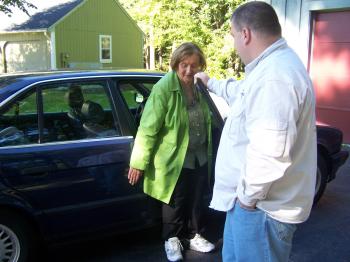 ITN Director Rus Willette helps Austin into the car at her home in Scarborough. A part of ITN, said Willette, is always treating passengers with respect.
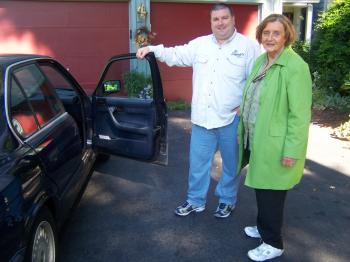 Transportation keeps seniors out of nursing homes
Comments are no longer available on this story