
The federal Environmental Protection Agency initiated a comprehensive investigation of environmental and human health risks at the Keddy Mill complex in South Windham this week, pushing the contaminated site another step closer to a federal cleanup effort.
The remedial investigation will involve the collection and analysis of samples from soil, surface water, sediments, groundwater and fish tissue, and could last up to two years. The results of the investigation will inform the conclusions of a feasibility study that will examine the type and scale of effort needed to clean up the former paper and steel mill, which is located at the corner of Main and Depot streets.
The large concrete building, which town officials say is starting to disintegrate rapidly, has sat unused since 1997.
The 6.9-acre site contains extensive contamination from PCB, or polychlorinated biphenyl, a toxic substance once used in mechanical parts that was banned by Congress in 1979. The federal Superfund program addresses properties where remediation of toxic soil or water can cost millions, and where previous owners cannot be expected to cover the entire cleanup cost. The Keddy Mill site, which is owned by the Portland development company, Milk Street Capital LLC, was added to the Superfund program’s National Priorities List in May 2014, initiating a roughly decade-long process that is expected to lead to the site’s cleanup and re-use.
According to Kate Melanson, the community involvement coordinator for the agency’s New England regional office, the remedial investigation began Monday and will conclude sometime before 2018.
“It helps EPA determine the nature and the extent of the contamination that’s on the site,” she said. “The results of the remedial investigation help EPA to develop a feasibility study and the feasibility study identifies what cleanup measures may be necessary to be used at the site.”
After the investigation and feasibility studies have been completed, the agency will choose a cleanup plan, develop engineering designs, and finally, clean up the site, Melanson said.
According to Leslie McVickar, the agency’s project manager for the Keddy Mill remedial investigation, the effort will include the installation of groundwater monitoring wells and geophysical examinations as part of a wide-ranging probe of the site.
“We have to determine the nature and extent of contamination so we’re looking for everything,” she said. “That would include building materials, any contamination that would be remaining in the soil, the stream sediments, soil sediment, groundwater.”
In recent years, the agency conducted a preliminary investigation of the site in order to determine whether to list it on the National Priorities List, according to McVickar. The remedial investigation will be considerably more thorough, she said.
After listing the site on the National Priorities List, the agency began a search for the “potentially responsible parties,” or firms, that contaminated the Keddy Mill site, according to Melanson. If such parties are found, the agency will initiate a legal action in order to force them to fund the cleanup, she said. If not, the agency will likely clean up the site using available federal funds, she said.
The agency has not yet identified “potentially responsible parties” and will fund the remedial investigation with federal money, according to Anni Loughlin, the agency’s section chief of the Maine, Vermont and Connecticut Superfund Section.
“We have conducted an initial search for potentially responsible parties,” Loughlin said. “Our initial conclusion was it didn’t seem like there would be enough or viable-enough parties to be able to proceed with them, which is why we are conducting the remedial investigation and feasibility study ourselves with Superfund money.”
“However, that effort is not concluded,” she added. “EPA’s strong preference is whenever we can find a responsible party to perform or finance the work, we prefer that they do it.”
According to the Keddy Mill narrative posted on the National Priorities List website, PCB contamination is “widespread throughout the site and inside the abandoned mill building.” The narrative states that the two main sources of contamination are a pile of slag material north of the vacant mill and an area of contaminated soil that extends from the north of the building southwest to the Presumpscot River. Also, according to the narrative, samples show that stormwater run-off has released PCBs into the Presumpscot River, potentially contaminating nearby wetlands.
The agency also notes that the site has been vandalized and poses a health risk.
“Potential contact with PCBs in surface soil and within the mill poses a health threat,” the agency’s narrative reads.
The Maine Department of Environmental Protection has also been studying the site intensively in recent years. The department determined that the scale of the cleanup exceeded the ability of the state-administered brownfields program to pay. Due to lack of funding, the state asked the U.S. Environmental Protection Agency to investigate the site for possible inclusion on its list of Superfund sites. The sprawling property achieved a score of between 50 and 54 on a scale of 100 based on preliminary soil samples by the federal agency. A score of at least 28 is needed to be considered for the Superfund list.
According to Tom Bartell, Windham’s economic development director, the beginning remedial investigation marks the next step in the lengthy Superfund process.
“They need to do extensive environmental work, and it’s just beginning,” he said. “It’s going to be completed between 2015 and 2017. That’s a long, nebulous time frame, but it’s going to take that long just to know what’s going on.”
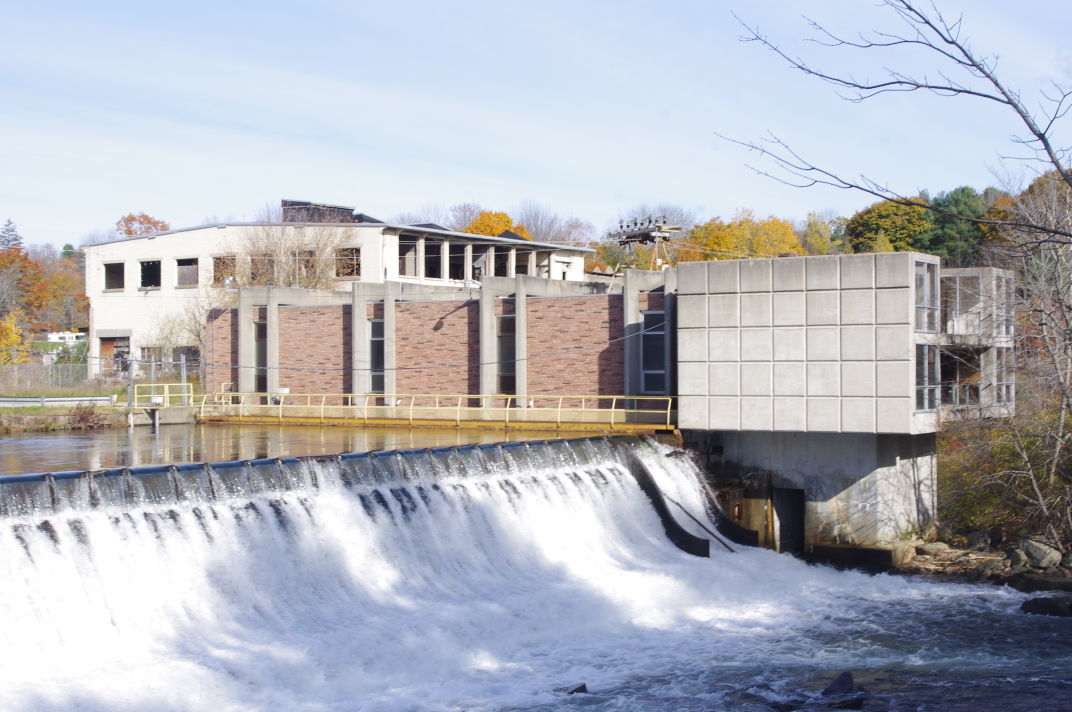 The U.S. Environmental Protection Agency began a comprehensive remedial investigation of the contaminated, 6.9-acre Keddy Mill site in South Windham Monday. The effort, which could last up to two years, will help the agency determine how to clean up the site, located next to Little Falls Dam on the Presumpscot River.
Comments are no longer available on this story