

PORTLAND — The City Council voted unanimously Monday night to approve funding for a winter warming shelter at 166 Riverside Industrial Parkway, capping weeks of debate over how and where the city should shelter homeless residents on the coldest nights of the year.
The vote means the city will tap into a MaineHousing grant of just over $400,000 to open a temporary overnight shelter this winter in a building that also houses asylum seekers. The decision required support from at least seven of the nine councilors to bypass the normal two-step process and move forward immediately.
SUPPORT AND CRITICISM
The plan drew both support and criticism ahead of Monday’s vote. City staff and some councilors said the location was the only feasible option after an extensive search for other sites on the peninsula. But other councilors, homeless advocates and several homeless people say the location is simply too far away from downtown for homeless people to access.
“”We know that this is not ideal, it is far from perfect. But it is what we were able to produce under the constraints we had,” said Maggie McLaughlin, the city’s health and human services director.
City leaders said staff spent months reaching out to nonprofits, churches and other property owners beginning in early summer, but couldn’t find any suitable alternate locations or operators. Commonspace, the nonprofit that helped run warming shelters in the city for the past two winters, said it could no longer take on the responsibility.
The shelter at 166 Riverside will be operated by staff from the Homeless Services Center, guests will be kept completely separate from the asylum seekers staying in the same building, showers and food will be provided, and a shuttle service will run between the peninsula and the shelter, said McLaughlin.
Councilors presented a united front Monday night, acknowledging the plan’s flaws and emphasizing the need for community partners and the county to step up to help.
“All we get are thoughts and prayers. Everybody wants us to solve this but there is nobody at the rail with a significant contribution to make,” Mayor Mark Dion said. “We built a $25 million shelter, we staff it at $12 million a year and somehow it’s not enough.”
Councilor Anna Bullett also urged others in the community to come forward, saying the city is limited in what it can do.
“The municipal government of a population of 68,000 cannot provide everything to everybody. The data has clearly shown that our three shelters within our city function in a regional capacity,” she said.
She noted that the Maine State Housing request for proposals for a warming shelter opened months ago. Other than State Street Church and the city, there were no other applicants, she said.
Bullett mentioned Cumberland County, Preble Street, Maine Health and Commonspace as organizations that did not put forth proposals for a city warming shelter this winter.
“I hope my words tonight are a call to action for the organizations I’ve mentioned and many I haven’t, which are oftentimes more nimble than our city government,” said Bullett.
CONCERNS
Homeless advocates raised concerns at the meeting about the shelter’s remote location, which is far from social services, public transportation and Portland’s downtown core.
Annika Moore, an advocacy team leader at Preble Street, urged the city to do everything it can to make the shelter more accessible.
“I spoke to one woman the other day who told me that getting to the shelter is like getting to Florida for someone who doesn’t have a car,” she said.
Moore urged the city to operate shuttles to the shelter late into the night and to make shuttles accessible for people with disabilities.
Others raised concerns about the building’s suitability for a warming shelter.
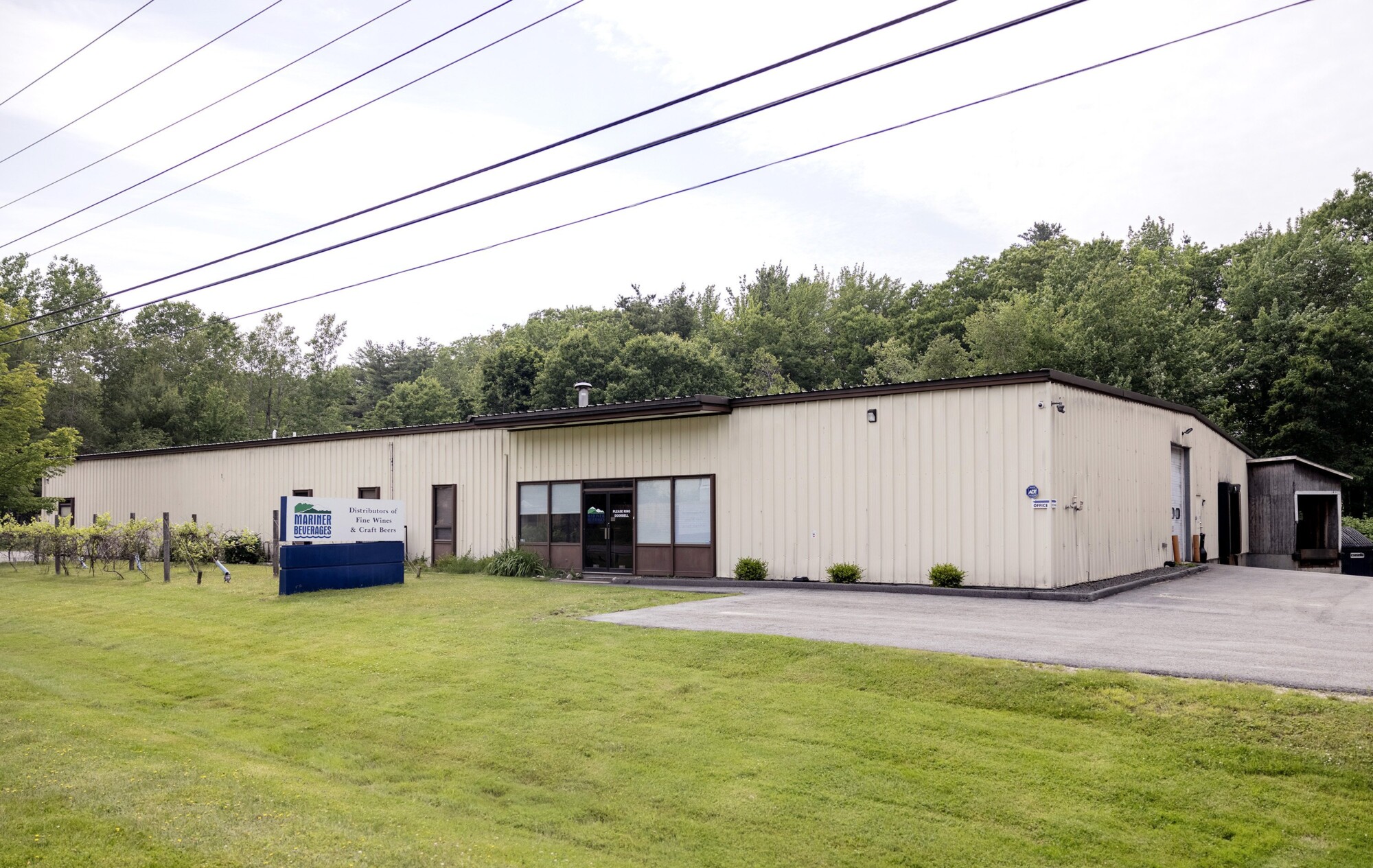
Greg Gould said he lives about 200 feet from the shelter. And while he said he is glad a warming shelter will open this winter, he hopes the city can put guardrails in place to make sure his neighborhood remains safe.
“There are some things we need in our neighborhood, that’s law and order and quiet. Not having needles out is very important to our neighborhood. We need the people who are staying there to respect our space and need for order,” he said.
He asked that the city fence in the facility, have an ambulance on standby and reopen a police station in Riverton.
“There is no excuse for taking somebody from Monument Square, bringing them to Riverton and then letting them freeze out there,” said Gould.
Last winter’s warming center was operated by Commonspace in the basement of First Parish Unitarian Universalist Church in downtown Portland. But this year, neither the church nor the nonprofit offered to operate a shelter.
In an interview with the Press Herald last week, Brian Townsend, executive director of Commonspace, called the Riverton location “the best available of any worst-case scenario.”
NEXT STEPS
The warming shelter is expected to open in November, with capacity to serve about 60 people on nights when temperatures drop below 15 degrees or if more than 10 inches of snow falls. McLaughlin said the city has enough funding to operate for 50 nights this winter. It will operate overnight only, with doors opening at 7:30 p.m. and closing at 6 a.m. City officials said they are working to ensure staff, safety protocols and transportation will be in place before opening.
Several residents and councilors spoke Monday about the warming shelter serving as a band-aid for the larger homelessness crisis.
Suzanna Richards, who spoke during public comment, urged the council to put in place more permanent resources.
“If you’re troubled by unhoused people dying on our streets every winter, if you are upset by seeing garbage and needles all over the city … then the obvious next steps are to open a day space and warming shelter on peninsula that are open every day of the winter,” she said.
Richards went went on to say she’d like to see her taxes go toward meaningful solutions to the homelessness crisis.
“I just received a significant and unaffordable property tax increase that makes me worried about my own shelter. This is what I want my taxes to pay for,” said Richards.
Councilors seemed to be aligned with the public in a hope for more. But they seemed to agree the city may have little more to offer.
“It’s very clear we need to figure out how to get our own space. I would love the cavalry to come, maybe they will,” said Councilor Wes Pelletier.

We invite you to add your comments. We encourage a thoughtful exchange of ideas and information on this website. By joining the conversation, you are agreeing to our commenting policy and terms of use. More information is found on our FAQs. You can update your screen name on the member's center.
Comments are managed by our staff during regular business hours Monday through Friday as well as limited hours on Saturday and Sunday. Comments held for moderation outside of those hours may take longer to approve.
Join the Conversation
Please sign into your Press Herald account to participate in conversations below. If you do not have an account, you can register or subscribe. Questions? Please see our FAQs.