

Around 170 Midcoast fourth graders spent the day out of the classroom, getting some hands-on learning at the Merrymeeting Bay Wildlife Management Area in Bowdoinham on Tuesday.
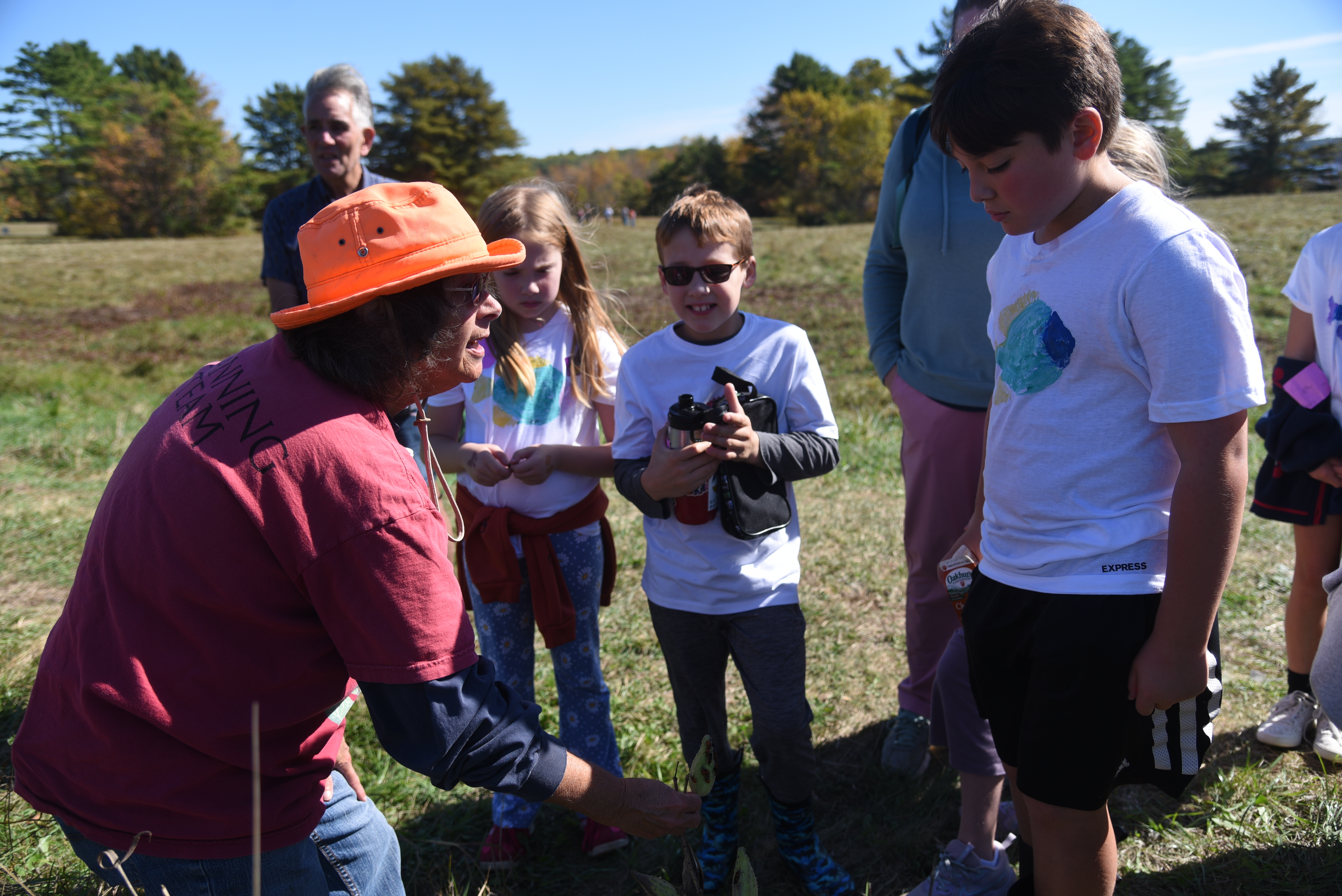
Fall Bay Day featured around 13 educational stations focused on a range of activities, including archaeology, conservation canines, fish migration, bugs, bird banding and wildlife rehabilitation. The archaeological site is a historic location adjacent to a cellar remains of an old farm building, where students unearthed remnants of old nails, brick and glass left behind from the few settlements on the site during the 1700s to 1800s.
Each station ties back to Merrymeeting Bay. One focuses on fish swimming into the bay to spawn in a nursery-type setting protected by vegetation and cover from predatory birds.
“We got to catch a fish, and it was a baby sunfish,” said 9-year-old Kaiya Campbell of Bowdoin Central School. “I was excited, because I haven’t been here before, to come and look at Merrymeeting Bay.”
Students representing North Yarmouth Academy, Williams-Cone Elementary School, Bowdoin Central School, Bowdoinham Community School and the Pittston-Randolph Consolidated School took part in the event.
One new activity at Fall Bay Day was bird banding, where the fourth graders filled out data sheets documenting information about the birds, such as their feet and wing measurements. Althea Laprey from the Biodiversity Research Institute (BRI) in Portland led the activity. The lesson primarily focused on songbirds and migration studies, and also included discussion about a couple of bald eagles that flew over the group during the activity.
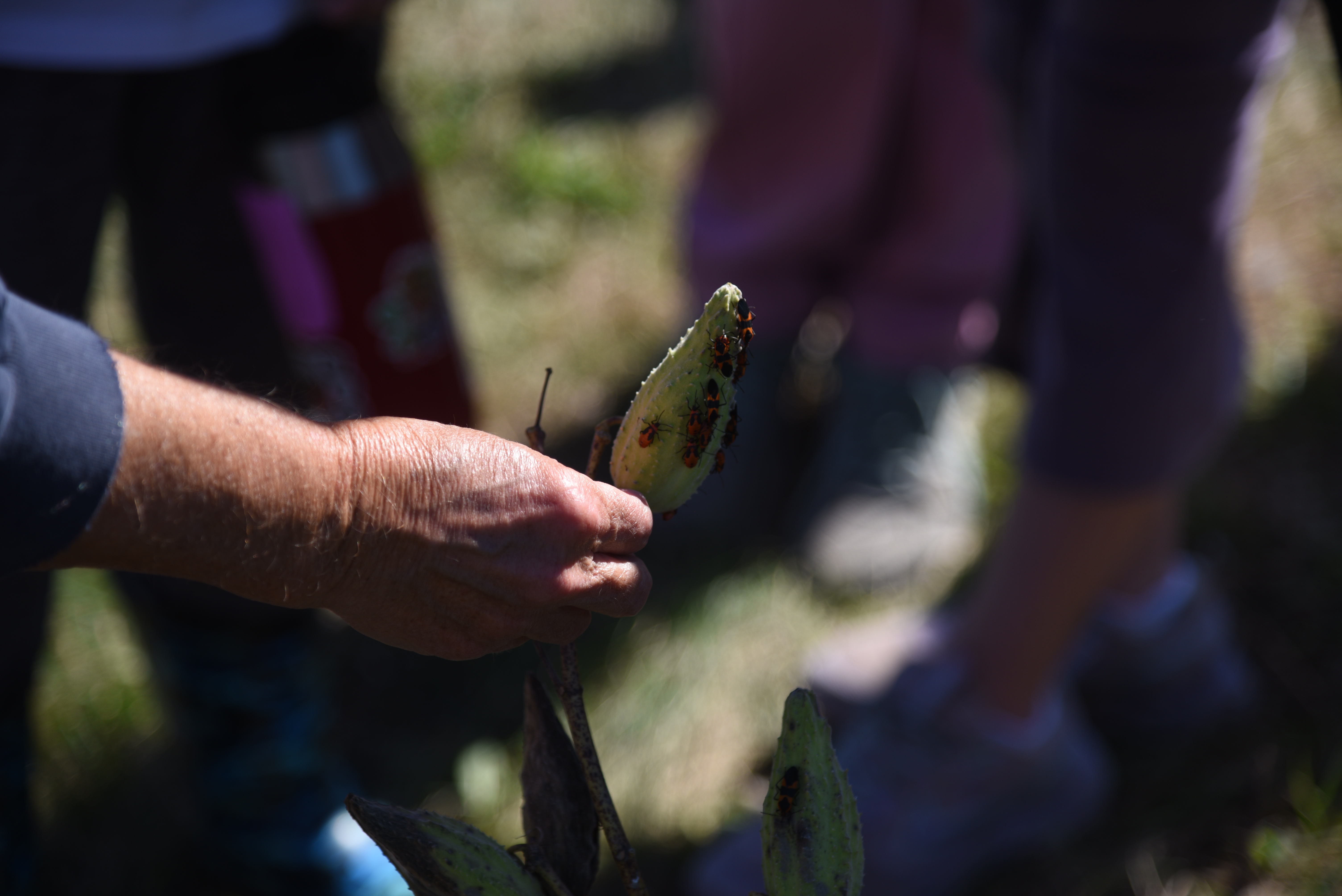
Laprey works at the River Point Bird Banding Observatory in Falmouth, which BRI established in 2011. The observatory puts bands on birds in the fall and spring, taking samples for potential perfluoroalkyl and polyfluoroalkyl substances, or PFAS, and mercury contamination studies. The bands are made from aluminum and stay on the songbirds for their entire lives, allowing River Point to track their health.
Another station, led by Kathi McCue, director of Wilderness Miracles Wildlife Rehab in Bowdoin, and volunteer Sheri Fraser, focused on wildlife rehabilitation. They brought along Opie, a blind opossum, as an educational ambassador that the kids could observe in his travel cage. Most of the kids asked about what Opie eats and why his tail isn’t furry like the rest of his body.
“I am pretty certain they have left with a lot of knowledge that they didn’t know about opossums,” McCue said.

We invite you to add your comments. We encourage a thoughtful exchange of ideas and information on this website. By joining the conversation, you are agreeing to our commenting policy and terms of use. More information is found on our FAQs. You can update your screen name on the member's center.
Comments are managed by our staff during regular business hours Monday through Friday as well as limited hours on Saturday and Sunday. Comments held for moderation outside of those hours may take longer to approve.
Join the Conversation
Please sign into your Press Herald account to participate in conversations below. If you do not have an account, you can register or subscribe. Questions? Please see our FAQs.