


Portland’s emergency winter warming shelter is expected to look a little different this year. It will likely be farther from downtown, have fewer beds and share a building with another shelter.
Service providers, city councilors, homeless people, the mayor and city staff all agree: The current proposal is less than ideal.
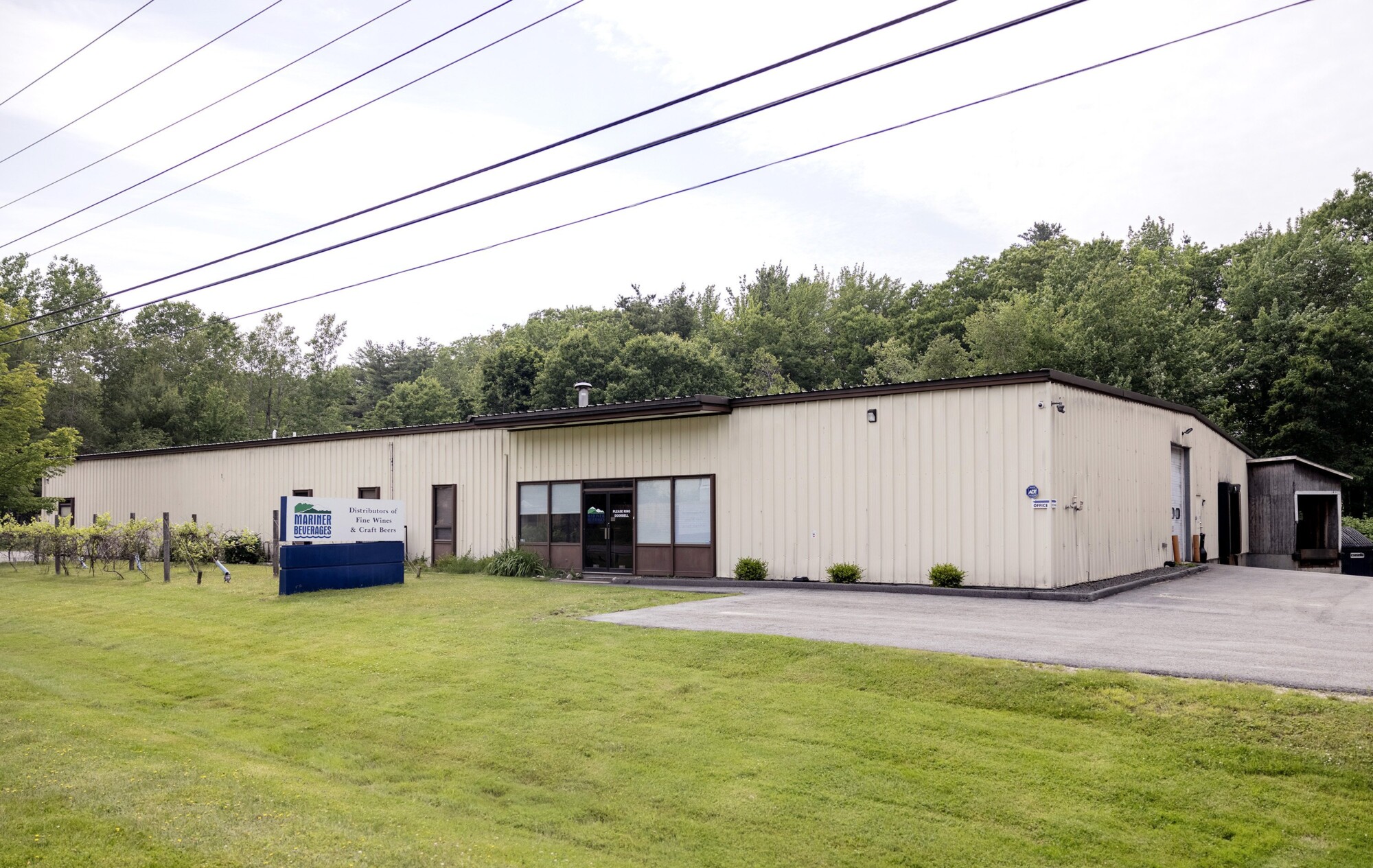
The plan, for now, is to put the warming shelter at 166 Riverside Industrial Parkway in the city’s Riverton neighborhood — far from its previous locations downtown.
Norman Warren, 54, has been homeless in Portland for six years and relied on the warming shelter every winter. Last year, he said, he went every time it was open.
“I don’t think I’ll make it to this one,” Warren said.
Portland’s overnight warming shelter is typically activated when temperatures drop below 15 degrees or if more than 10 inches of snow falls.
“How are you going to walk in that kind of cold? Or track down a shuttle?” Warren said. “I don’t like the idea of it being all the way out there.”
But right now, 166 Riverside is the only spot the city has.
“It’s the best available of any worst-case scenario,” said Brian Townsend, executive director of Commonspace, the nonprofit that operated the warming shelter last year.
OUT OF OPTIONS
City staff spent the summer calling social service providers, churches and private shelters — any organization they could think of that might be able to offer a space and handle operations for this winter.
“We just didn’t feel we had capacity to take it on,” Townsend said of Commonspace staff. “I suspect that is true for other providers.”
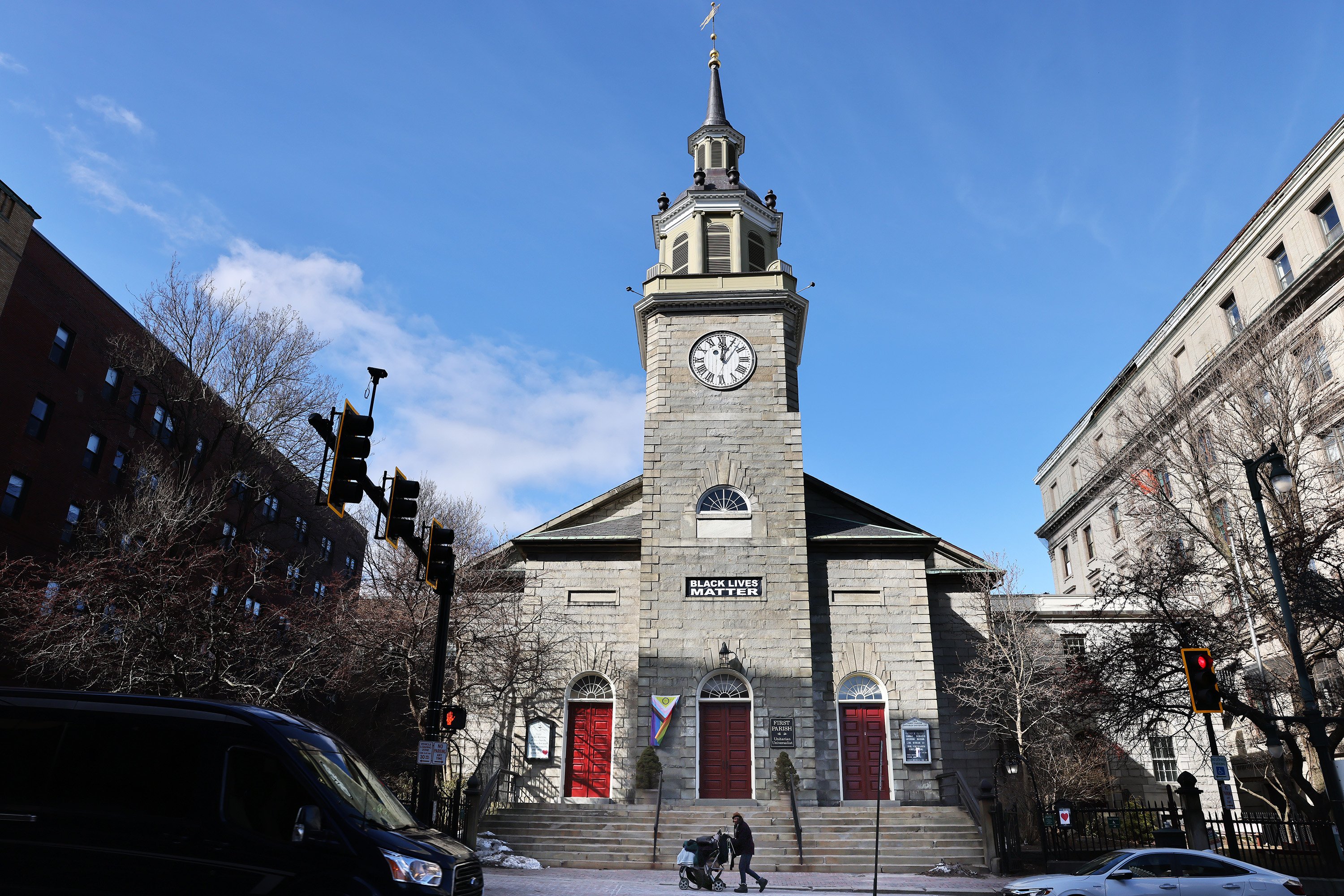
For the past two winters, the shelter has operated out of First Parish Unitarian Universalist Church. Last year, Commonspace operated the shelter. The year before, Greater Portland Peer Services ran it.
But the church, Townsend said, was a difficult place in which to run the warming center. The basement, where the shelter operated, had only one bathroom, its proximity to a high school prompted safety concerns, and the space was sometimes needed for other church events.
And running an emergency shelter is no small task. Last year, Townsend’s team sometimes had to organize food and supplies at the last minute when temperatures unexpectedly dropped. Cots, blankets and other supplies also have to be stored, broken down and set up over and over again.
Working with homeless people in the winter requires specialized staff. When Commonspace operated the facility, Townsend had to pull employees from the nonprofit’s other programs to run the shelter. Those programs suffered because workers were burned out from the long hours.
“If there were funding, a better space to operate in and the option to run a shelter that ran the entire winter every night, I think more providers would be interested in doing that,” Townsend said.
So with the church off the table and no other options materializing, city staff submitted a last-minute proposal to MaineHousing in mid-September for funding to operate the warming center at 166 Riverside, where the city already runs a shelter for asylum seekers.
Last week, Gov. Janet Mills and MaineHousing announced grant funding that includes just over $400,000 for the proposed shelter in Riverton.
“Staff really looked at every opportunity we could on peninsula and weren’t finding a location or an operator,” said City Manager Danielle West. “Although it’s not ideal, we wanted to have an option. We thought we’d just try to see if there were any way to get money.”
West said the proposed warming shelter would have about 60 beds, be run by city staff and operate in a separate part of the building from the asylum seeker shelter. It would not impact capacity there, she said.
‘I CAN’T DO IT’
As recently as Monday, Mayor Mark Dion was in a meeting asking staff, again, if there were any other options for a better place to set up the shelter.
“The further we go away from downtown, the greater the risk of some people not participating,” Dion said. “Exposure is a serious consequence of trying to live outdoors in severe weather. That’s why we have a warming shelter.”
But so far, there are no other options on the horizon.
The City Council will vote on whether to formally accept the funding and finalize the current plan at its next meeting Monday. According to the meeting’s agenda, city staff are recommending councilors accept the funding as an emergency, allowing them to move forward immediately without waiting to discuss the matter at a second meeting. Such a move would require seven votes from the nine-member council.
City Councilor Kate Sykes said she’s still hopeful that another option will come through.
“It feels to me like we are checking a box so we can say we have an emergency shelter, but this isn’t effectively serving the people it’s intended to serve, so we basically don’t have an emergency shelter,” Sykes said.
Sykes said she still plans to vote to accept the funding, even though she doesn’t think the proposal is a good option for the community.
And indeed, several homeless people said Monday that they weren’t sure they’d use the warming shelter if it’s so far away from the peninsula, where most of the city’s social services are located.
The city plans to run an expanded shuttle service from the peninsula to 166 Riverside, but some homeless people still expressed doubts.
John Weber, 50, said he doesn’t think he’ll be able to get to the shelter. He’s been homeless for about three months and has a traumatic brain injury that makes it hard for him to navigate the city on his own.
“I won’t survive,” he said. “I will not achieve getting there. I have brain damage. I need assistance from here till the rest of my life. I can’t do it. I can’t do it.”
Amy Head, 48, noted that many homeless people have disabilities, as she does.
“My feet hurt so bad I can barely walk,” Head said. “They would have to be running a lot of shuttles.”
Joseph Fish, 54, has been homeless for 25 years, and he says the warming shelter has saved his life.
“It was our savior. It was really cold, and plus, they provided food,” Fish said. “I don’t like the idea of having it out there at all.”

‘GIVE ME ANOTHER SPACE’
While Dion is glad the city has an option on the table, even if it’s not ideal, he’s still worried as winter approaches.
“I don’t think any leader feels good that a city has to have this conversation. Staff has done what they can. I know councilors have expressed concerns,” Dion said. “My only response at this juncture is: then give me another space.”
If a facility on the peninsula and a competent third-party provider were to emerge, Dion, West and Sykes all said they’d jump at the opportunity.
“I’ll take every dollar they give us, and I’ll fight like hell behind the scenes to try and get it in the right place,” Sykes said.
But MaineHousing’s funding was allotted for the proposal in Riverton, making it unclear what changes the city could make once the funding is approved.
“I hope MaineHousing would be amenable if something else were to come up,” Dion said. “But there is no guarantee.”

You must be logged in to post a comment.