
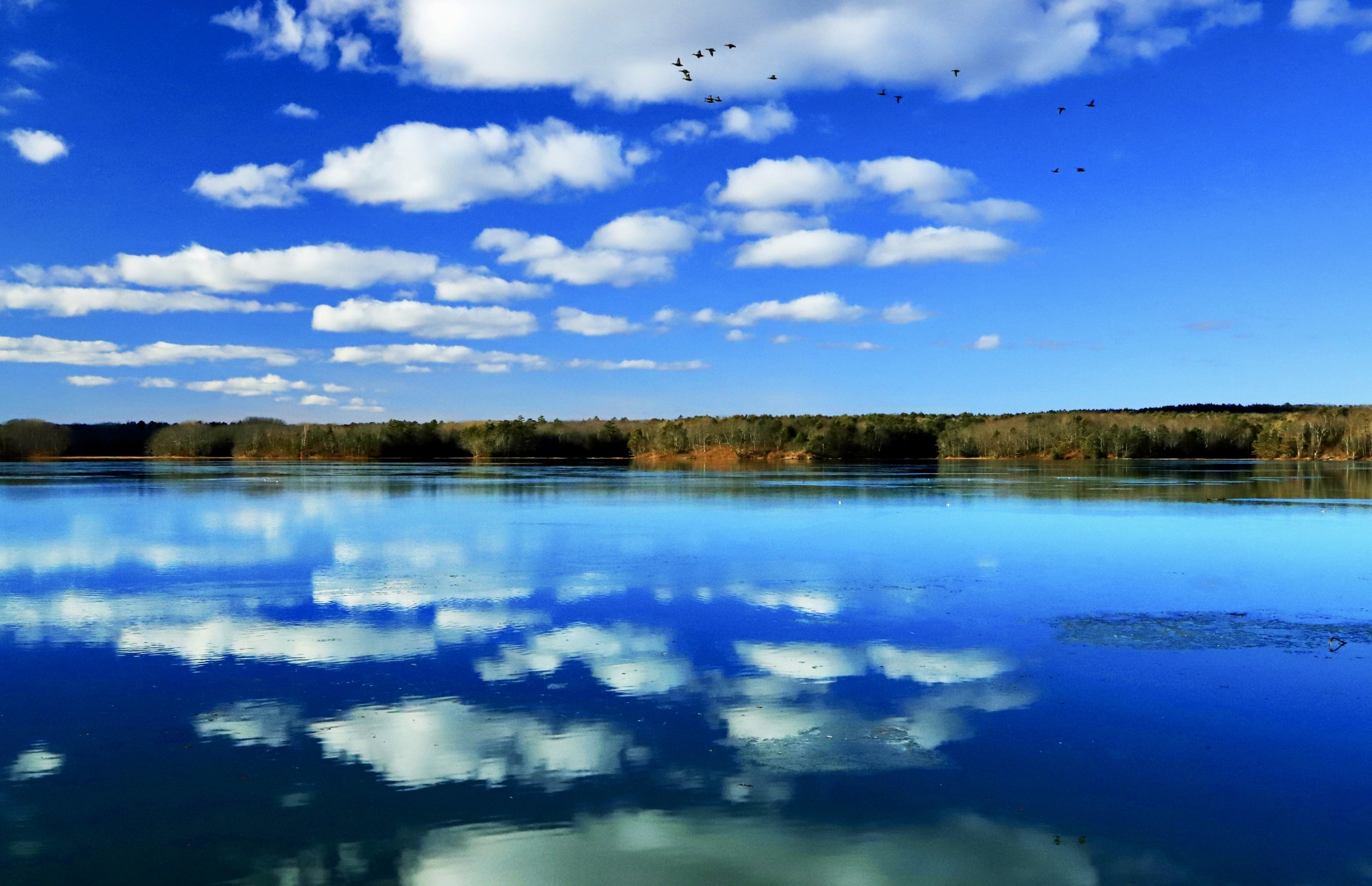
The end of summer is always hard. And somehow this year, with the warm, dry weather that persisted well into September, it felt particularly hard to reconcile that Sept. 21 was the last official day of summer.
That bright sunlight that has kept us warm these past months will begin to be less warm as Earth’s axis gradually points away from and not towards the sun. But in this brief standstill known as the equinox, the sun is directly over the equator and everything is in a temporary state of pause. During this pause, not only was the planet at a standstill, but also the water was unusually calm — particularly for this time of year when temperatures are shifting and coastal breezes are the norm. That’s when I saw something I’ve never seen in Maquoit Bay — porpoises!
Maquoit Bay is pretty shallow and soft-bottomed as coastal bays go compared to the more
common rocky-bottomed, deeper bays along our shores. There’s typically a great variety of fish,
shellfish and tidepool creatures, and often a curious seal or two. But porpoises have been a
rare sighting relegated to areas farther outside the bay in deeper water. They’re pretty tiny as
marine mammals go and also have just a small dorsal fin, which can make them difficult to spot,
particularly if there are any waves hiding their dark little bodies as they surface for air. I wondered what they were doing here, given that I’d never seen them before.
In the fall, when everything seems to be pulling back and preparing for cooler weather — leaves changing color as trees begin to conserve their energy and squirrels caching away acorns to stuff their cheeks and bellies with when the snow comes — there is an unexpected flurry of life in the water.
There’s more fish activity now than there has been much of the summer. Great schools of forage fish break the water’s surface as they travel back and forth with the tides even as the water begins to cool. It is the cooling of the water that, rather than shutting things down, reinvigorates productivity briefly in the fall as it begins to shift and turn over from the warm surface temps to the cooler bottom water. This fall surge of productivity gets the fish moving and eating. Perhaps that’s what brought the porpoises as well — so that they could eat those fish.
Harbor porpoises (Phocoena phocoena) aren’t much different in size than the more commonly seen harbor seals, both of which typically reach lengths of around 6 feet. They are, however, much more elusive not just because they live mostly beneath the surface, but also because they
tend to be shy as compared to the typically very curious seals.
Both are fish eaters and have some incredible adaptations to live both above and below the water’s surface. Seals, of course, are additionally adapted to stay on land for long periods of time and are often seen sunbathing on coastal rocks. Porpoises, on the other hand, cannot stay out of water for long and even give birth to their young underneath the water.
As we enter into the fall season and adjust to getting back to work, to school and buttoning up boats and summer cottages, it is these little reminders in the natural world of how much is always there just waiting to be observed and how much unexpected activity occurs along our coast beyond the summer.
Susan Olcott is the director of strategic partnerships at Maine Coast Fishermen’s Association.
We invite you to add your comments. We encourage a thoughtful exchange of ideas and information on this website. By joining the conversation, you are agreeing to our commenting policy and terms of use. More information is found on our FAQs. You can update your screen name on the member's center.
Comments are managed by our staff during regular business hours Monday through Friday as well as limited hours on Saturday and Sunday. Comments held for moderation outside of those hours may take longer to approve.
Join the Conversation
Please sign into your Press Herald account to participate in conversations below. If you do not have an account, you can register or subscribe. Questions? Please see our FAQs.