

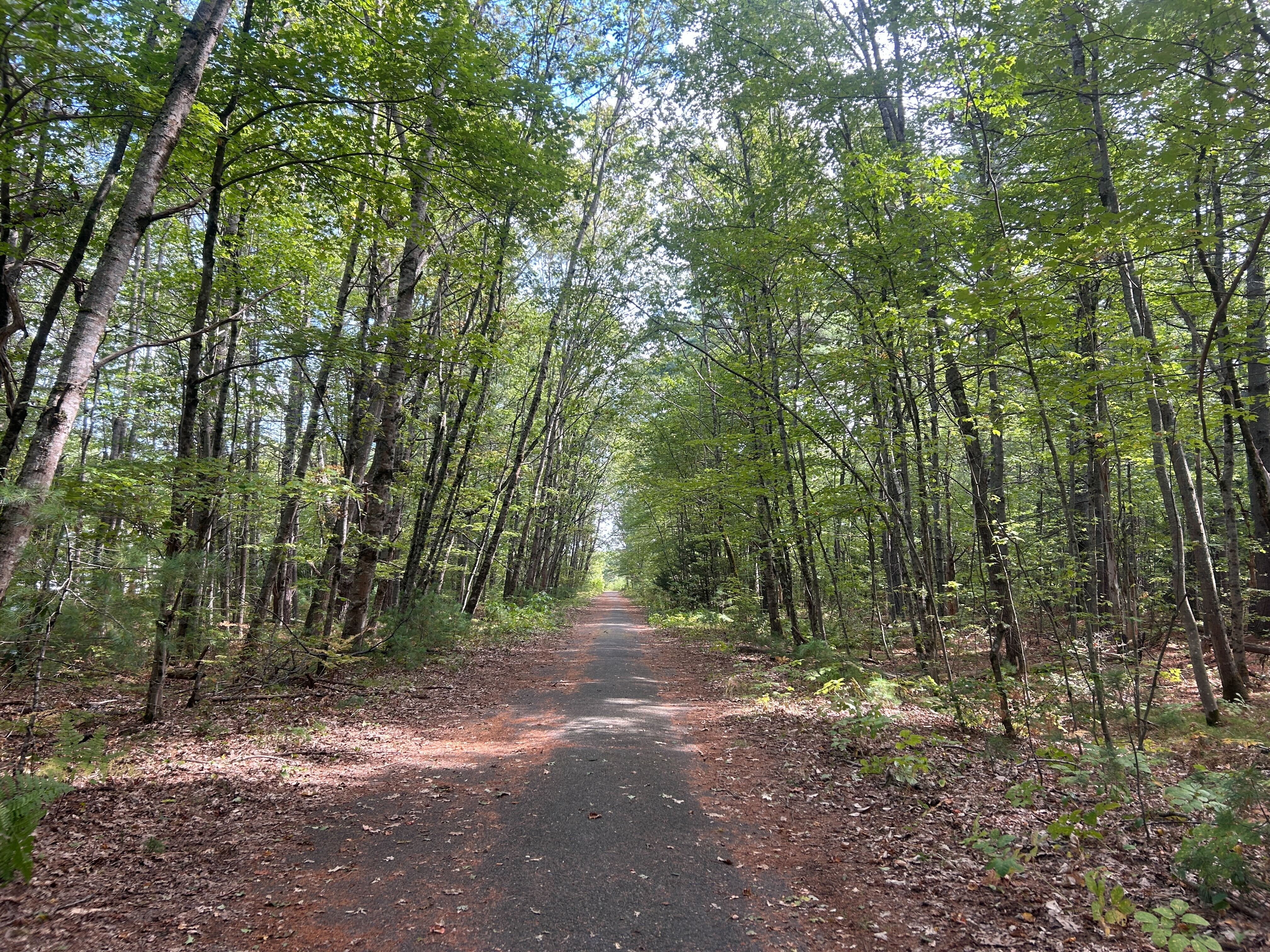
Roughly 230 acres in East Brunswick will be named after a prominent Black family who farmed the area in the 19th century and helped lead people to freedom through the Underground Railroad.
The Brunswick Town Council on Monday approved a plan to name the property Francis and Mahitable Heuston Park. The park consists of two adjacent parcels: 163 acres donated to the town in 2019 by Maine Gravel Services, and the 66-acre Capt. William A. Fitzgerald Recreation and Conservation Area.
The Fitzgerald Recreation and Conservation Area — land formerly owned by the Navy — will keep its name as a tribute to the last commander of the Brunswick Naval Air Station but will become part of the larger Heuston Park.
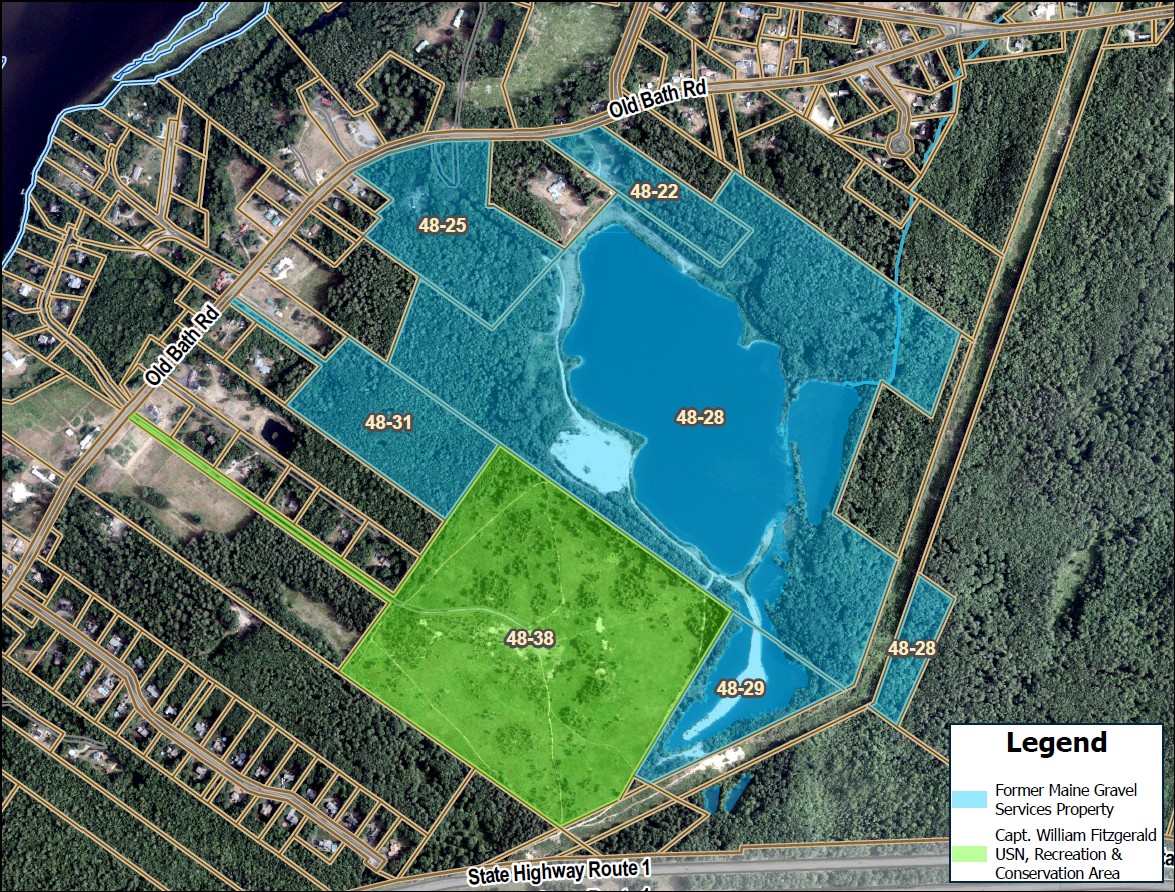
The council also officially named Crooker Pond on the former Maine Gravel property to honor the Crooker family behind the 2019 land donation. It was already commonly referred to by that name.
Francis Heuston married Mahitable, a widow and native Mainer descended from former slaves, in 1808. A blended family, the two had at least a dozen children and were part of an integrated neighborhood that extended from the current Old Bath Road and into North Bath. The couple bought 20 acres of farmland in East Brunswick in 1811.
Accounts of the family history differ slightly, but Francis Heuston was likely born into slavery in Massachusetts and served on an American ship during either the Revolutionary War or the War of 1812. The couple was directly involved in the Underground Railroad, using their home as a waystation for people escaping slavery, according to research compiled for the council by local historian Barbara Desmarais.
“That was a mixed community of African Americans and white residents, and Francis and Mahitable Heuston were an amazing couple,” Desmarais told the council Monday. “Together they created a community here.”
Francis Heuston was a member of a Bath abolitionist group and helped send at least one escaped slave to freedom in Canada, according to Desmarais’ research. The couple also harbored at least one escaped slave in their house, Clara Batteasse, who took the name Mary Heuston and would later marry Francis after Mahitable’s death in 1851.
The family’s private burying ground was designated as a National Park Service Network to Freedom site in 2013, one of three Maine locations to be included on the map of Underground Railroad landmarks.
The town councilors agreed to the new name unanimously, though some noted concerns that the distinction between the Heuston and Fitzgerald properties may be confusing and called for a lengthier decision process.
In June, the council OK’d a town committee’s plan for the East Brunswick property. The plan will serve as a flexible outline for town projects in the area over the next several years, including trails, parking lots, a playground and a swimming area.

We invite you to add your comments. We encourage a thoughtful exchange of ideas and information on this website. By joining the conversation, you are agreeing to our commenting policy and terms of use. More information is found on our FAQs. You can update your screen name on the member's center.
Comments are managed by our staff during regular business hours Monday through Friday as well as limited hours on Saturday and Sunday. Comments held for moderation outside of those hours may take longer to approve.
Join the Conversation
Please sign into your Press Herald account to participate in conversations below. If you do not have an account, you can register or subscribe. Questions? Please see our FAQs.