

On Tuesday, September 9, reporter Ray Routhier sat down at One Longfellow Square for a conversation with Tom Ricks, American journalist and author who specializes in the military and national security issues. You can watch the video here.
About our guest
Thomas Ricks is a writer and the military history columnist for The New York Times Book Review.
Ricks covered the U.S. military for the Washington Post from 2000 through 2008. Until the end of 1999 he had the same beat at the Wall Street Journal, where he was a reporter for 17 years. He reported on U.S. military activities in Somalia, Haiti, Korea, Bosnia, Kosovo, Macedonia, Kuwait, Turkey, Afghanistan and Iraq. He was part of a Wall Street Journal team that won the Pulitzer Prize for national reporting in 2000 for a series of articles on how the U.S. military might change to meet the new demands of the 21st century.
Ricks also was part of a Washington Post team that won the 2002 Pulitzer prize about the beginning of the U.S. counteroffensive against terrorism.
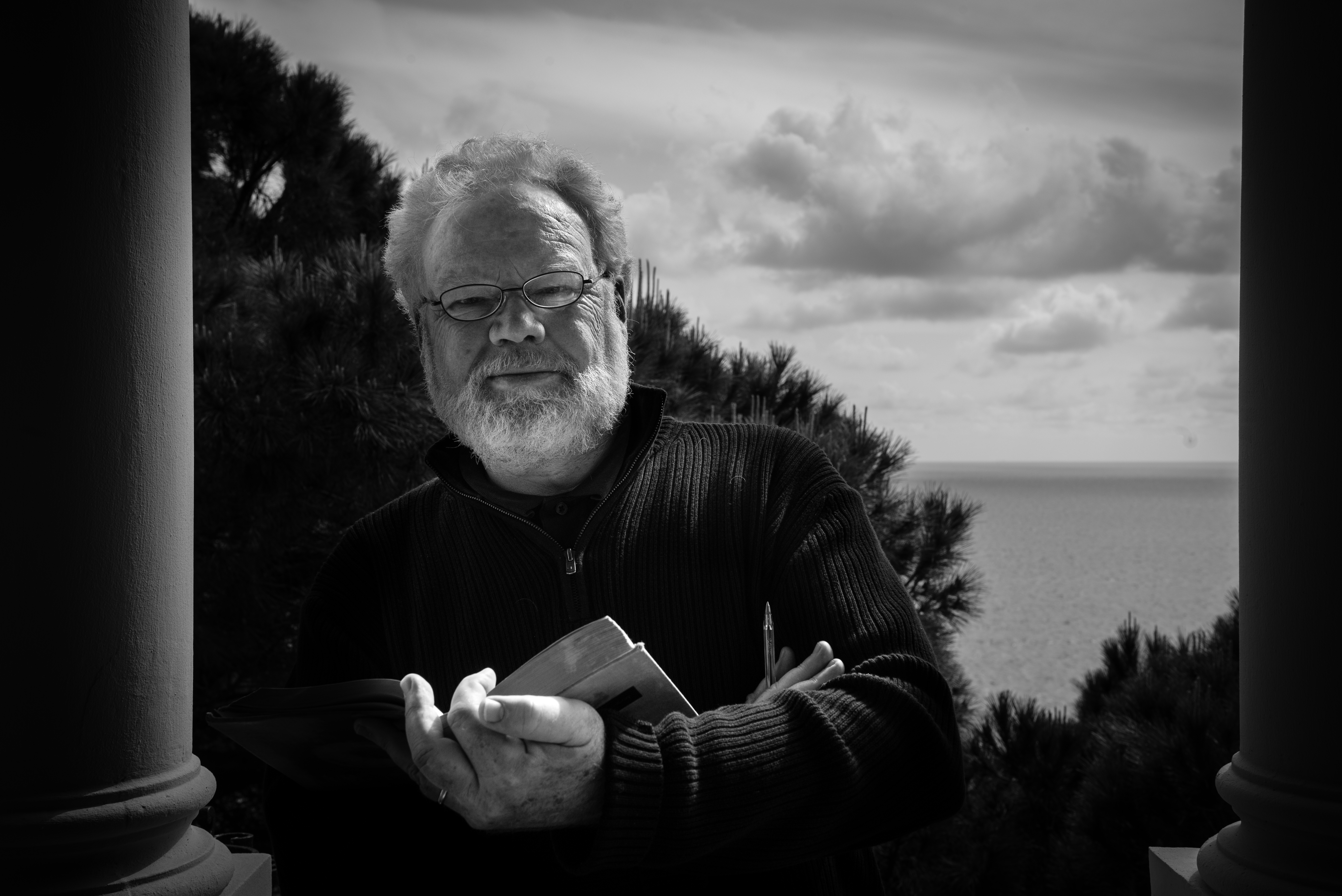
He is the author of ten books. His best known is Fiasco: The American Military Adventure in Iraq, 2003-05, which was a finalist for the Pulitzer Prize in 2007. His second book on that war, The Gamble: General Petraeus and the American Military Adventure in Iraq, 2006-08, was published in 2009. That was followed by The Generals: American Military Command from World War II to Today. Both Fiasco and The Generals were selected for the U.S. Army Chief of Staff’s official reading list. He also wrote Making the Corps, which won the Washington Monthly’s Political Book of the Year award.
Born in Massachusetts in 1955, he grew up in New York and Afghanistan and graduated from Yale in 1977. He is married to Mary Catherine Ricks, author of Escape on the Pearl, a history of one of the biggest slave escapes in American history. They have two grown children. For recreation he enjoys kayaking, sailing, hiking, biking, and reading military history.
All Maine Voices Live events will be livestreamed in 2025.
SPONSORED BY:


Comments are not available on this story. Read more about why we allow commenting on some stories and not on others.
We believe it's important to offer commenting on certain stories as a benefit to our readers. At its best, our comments sections can be a productive platform for readers to engage with our journalism, offer thoughts on coverage and issues, and drive conversation in a respectful, solutions-based way. It's a form of open discourse that can be useful to our community, public officials, journalists and others.
We do not enable comments on everything — exceptions include most crime stories, and coverage involving personal tragedy or sensitive issues that invite personal attacks instead of thoughtful discussion.
You can read more here about our commenting policy and terms of use. More information is also found on our FAQs.
Show less