
Maine Voices Live features 1:1 conversations between Portland Press Herald writers and notable Mainers. Audience members can experience a memorable night with a Q&A at the end.
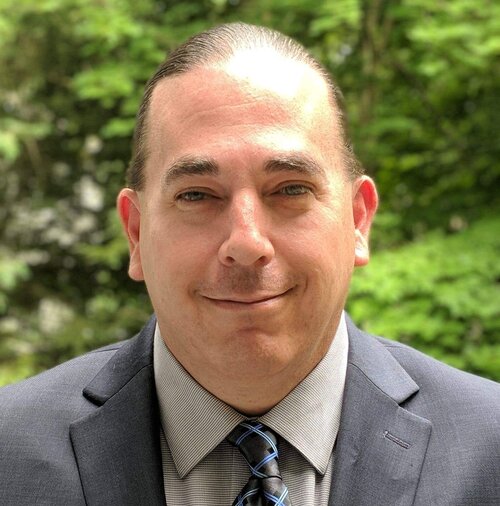
Chris Newell (Passamaquoddy) is the executive director and senior partner to Wabanaki Nations at the Abbe Museum in Bar Harbor. He is the first Wabanaki Nation member to lead the museum, a recognized innovator in decolonizing museum practices. Newell believes education is a path to making the world a better place for all people and looks forward to a better, well-informed future for us all.
Newell is a lifelong educator and served for six years as the Education Supervisor for the Mashantucket Pequot Museum and Research Center in Ledyard, Conn. He and his colleagues at that museum co-founded the Akomawt Educational Initiative to respond to the lack of representation of Native history and social studies in public schools in New England.
Newell was the senior adviser on the Emmy-winning documentary “Dawnland,” chronicling the first-ever, government-sanctioned Truth and Reconciliation Commission in the State of Maine. He is also a member of the Mystic River singers, an internationally acclaimed and award-winning inter-tribal pow wow drum group.
Newell was born and raised in Motahkmikuhk (Indian Township, ME) and is a proud citizen of the Passamaquoddy Tribe at Indian Township.
Chris Newell was interviewed by Bob Keyes, Portland Press Herald arts reporter.
Links from the event:
New England Foundation of the Arts
Suggested reads from our viewers:
Decolonizing Wealth: Indigenous Wisdom to Heal Divides and Restore Balance, Edgar Villanueva
The Gatherings: Reimagining Indigenous-Settler Relations, Shirley Hager, Mawopiyane



Comments are not available on this story. Read more about why we allow commenting on some stories and not on others.
We believe it's important to offer commenting on certain stories as a benefit to our readers. At its best, our comments sections can be a productive platform for readers to engage with our journalism, offer thoughts on coverage and issues, and drive conversation in a respectful, solutions-based way. It's a form of open discourse that can be useful to our community, public officials, journalists and others.
We do not enable comments on everything — exceptions include most crime stories, and coverage involving personal tragedy or sensitive issues that invite personal attacks instead of thoughtful discussion.
You can read more here about our commenting policy and terms of use. More information is also found on our FAQs.
Show less