

SEBAGO — The race for a seat on the Sebago Selectboard was too close to call at the polls on May 28, and a one-vote difference between two candidates has prompted a recount.
Residents also overwhelmingly approved the 2019-2020 school budget.
Political newcomer Scott Douglas and incumbents Phil Lowe and Chris Parker ran for two available three-year seats on the Selectboard. Parker garnered a decisive victory with 97 votes, but after a routine machine count, Sebago Town Clerk Maureen Scanlon said Douglas and Lowe had 86 votes each.
After hand counting the ballots three times, she said Douglas won with 87 votes while Lowe had 86.
A recount will be held at 9 a.m. Friday, May 31, after the Lakes Region Weekly’s print deadline.
Sebago residents also passed a $3.65 million school budget by a vote of 124-33. The FY20 budget that takes effect July 1 represents an increase of about $234,000 over this year’s budget.
In all other races the incumbents – most of whom ran unopposed – remained in office. Joseph McMahon garnered a three-year School Board seat and Susan Gassett won a five-year seat as a Sebago Cemetery Trustee.
James Jansz won a three-year Budget Committee seat with 138 votes, and write-in Timothy Economides also garnered a three-year seat on the committee with seven votes.
In addition, Barry Jordan will serve two years on the Budget Committee after being written in for the position.
Incumbent Anne Marie McMahon won a seven-year term as a Dr. Joseph Potter Fitch Trustee, while Sharon Economides garnered a two-year seat as a Fitch Trustee.
Jane Vaughan can be reached at 780-9103 or at jvaughan@keepmecurrent.com.
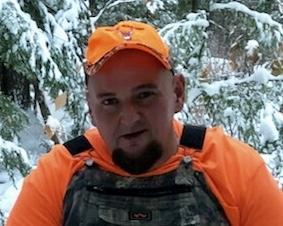
Douglas
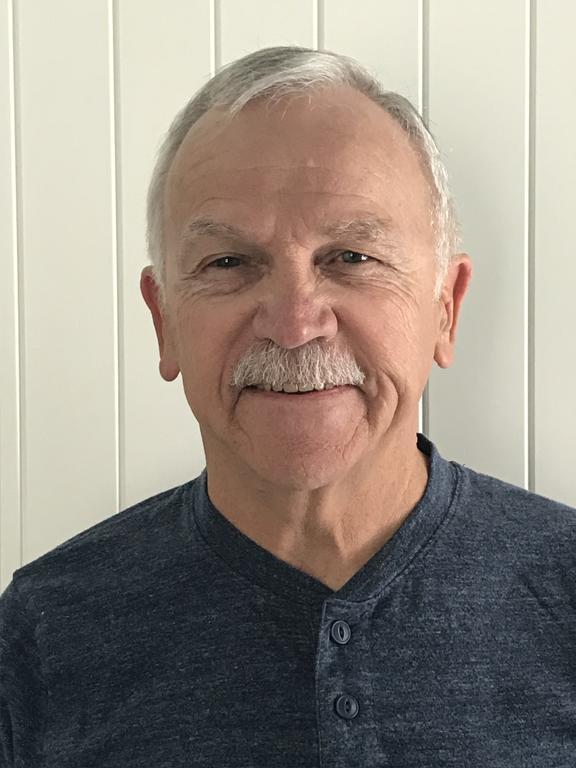
Lowe

Comments are not available on this story. Read more about why we allow commenting on some stories and not on others.
We believe it's important to offer commenting on certain stories as a benefit to our readers. At its best, our comments sections can be a productive platform for readers to engage with our journalism, offer thoughts on coverage and issues, and drive conversation in a respectful, solutions-based way. It's a form of open discourse that can be useful to our community, public officials, journalists and others.
We do not enable comments on everything — exceptions include most crime stories, and coverage involving personal tragedy or sensitive issues that invite personal attacks instead of thoughtful discussion.
You can read more here about our commenting policy and terms of use. More information is also found on our FAQs.
Show less