
STANDISH – A 12-acre, nonprofit organic farm on River Road in Standish that has been growing fresh vegetables to sell to local farmers markets and whose staff has led various community outreach services, is for sale and expected to close after 22 years of operation.
While the Rippling Waters Farm property is in its last season, the nonprofit side of business will continue as it has for the last several years, said Richard Rudolph, executive director and founder of the farm, which has four hoop houses specializing in tomatoes, a large production greenhouse for growing seedlings and a farm store with a retail greenhouse.
Rudolph said he felt it was time to sell the farm and shift his focus to other initiatives, like his work as chairman of the Rail Users’ Network, a nonprofit organization dedicated to the betterment of North America’s passenger rail system, and other energy issues.
“I just want to do other things that I’ve been wanting to do for some time,” he said. “The hope is to sell the farm to someone who wants to keep it going as a farm.”
“The plan is to continue education in schools and in the senior gardens,” Rudolph said, pointing out the farm’s mission of “Promoting Food Security through Education, Service, and Action.”
The three-bedroom, two-bath home on 11 acres is listed by Coldwell Banker Residential Brokerage and has an asking price of $415,000.
Rudolph, a retired University of Massachusetts professor, purchased the plot of land in 1991 with a desire to practice sustainability and venture into organic gardening, he said.
“It’s an organic vegetable farm and has been since Day 1,” Rudolph said at the farm last week. “Our focus is really on trying to reach out to people who are disconnected from the food they eat. It’s essentially been our mission.”
In 2007, Rippling Waters was awarded a three-year grant from the U.S. Department of Agriculture that enabled the farm to provide several community-outreach services in the Lakes Region, including educating students in the Bonny Eagle school district and local social service agencies and senior citizens about the importance of organic farming and to improve food security.
According to Rudolph, Rippling Waters has partnered with Bonny Eagle Middle School in Buxton to build a solar greenhouse and created a garden at Steep Falls Elementary School. Rippling Waters also created a permaculture garden at George E. Jack Elementary School in Standish and built eight raised beds at Hollis Elementary. And recently, a garden was planted at Avesta’s Stonecrest low-income senior housing site in Standish, he said.
In addition, farm staff has volunteered at, and donated their produce to Catherine’s Cupboard and many other local food pantries, Rudolph said, averaging 10,000 pounds of produce, which the farm provided to the emergency food system. Rippling Waters has also provided CSA shares (Community Supported Agriculture), a means for the community to support local farmers by purchasing shares in the farm.
The organization also established Food Connection Corps, an after-school summer youth development program at Rippling Waters Farm that brings together teenagers from the school district to learn about all aspects of organic farming and to make a difference in their community by working closely with farm staff, Rudolph said.
“I feel very fortunate to have an organic farm in my town,” said Julee Applegarth, farm manager of Rippling Waters since 1995. “I have always loved gardening and always felt fresh and renewed working at this farm,” she said.
“It’s been a great three years,” said farm apprentice Marina Steller, from Limington, where she has started Wildfolk Farm, a half-acre organic farm on 37 acres of land owned by her boyfriend’s family. She hopes to continue practices she’s learned during her time at Rippling Waters.
At the farm, employees, interns and volunteers were able to practice permaculture methods, said Applegarth, which gave everyone a feeling that they were able to make even a small, sustainable change to the environment.
Permaculture, according to Rudolph, is a system of ecological food production that prohibits the use of synthetic materials and relies on crop rotations, mulching and compost, in order to build healthy productive soil.
“We also taught many, many folks that they, too, can have a backyard garden,” Applegarth said, this week.
What Applegarth will miss most about the farm, she said, is the group of people she worked with, including AmeriCorps volunteers, who were all dedicated to growing organic foods and promoting food security through education and community outreach.
Like Steller, Applegarth has begun her own farm, Sweet Relief Farm in Standish, where she will continue permaculture practices and provide a variety of annual vegetable crops, perennial fruits and medicinal herbs. Though the farm will close, Applegarth said she plans to continue to volunteer at the Steep Falls Elementary School garden and local senior garden.
“Richard has most often confided in me and asked for my advice for input and direction of the farm,” Applegarth said. “He was passionate about the politics of food, and that was always refreshing to me.”
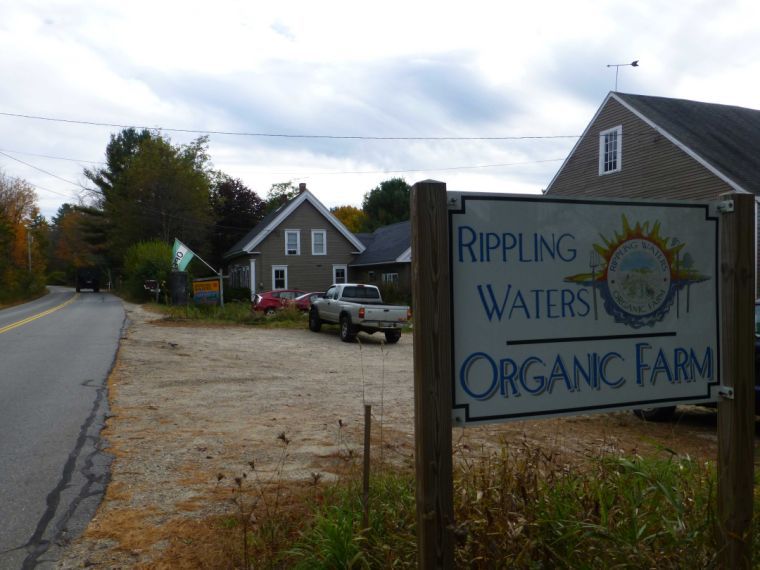 Rippling Waters Farm on River Road in Standish is closing after 22 years.
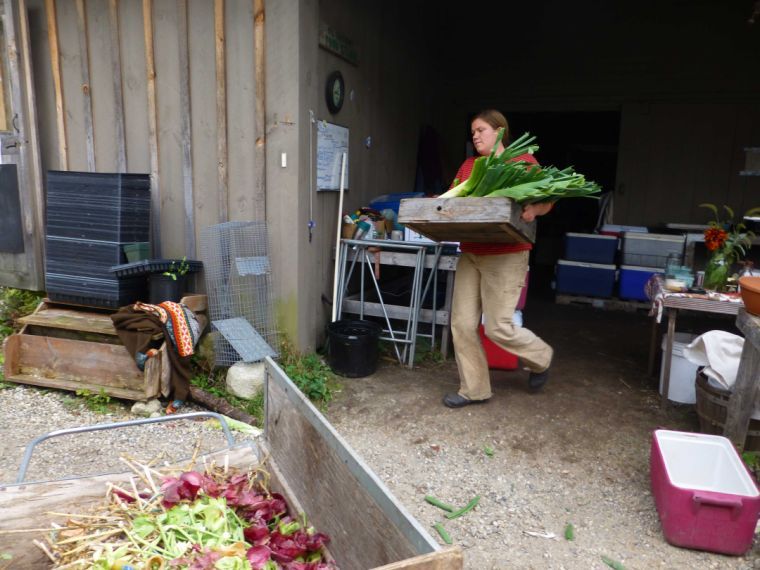 Marina Steller, who has worked at Rippling Waters Farm for three years as an apprentice, hauls fresh vegetables to be placed in the back of a truck to be shipped to a local farmers market.
Comments are no longer available on this story