

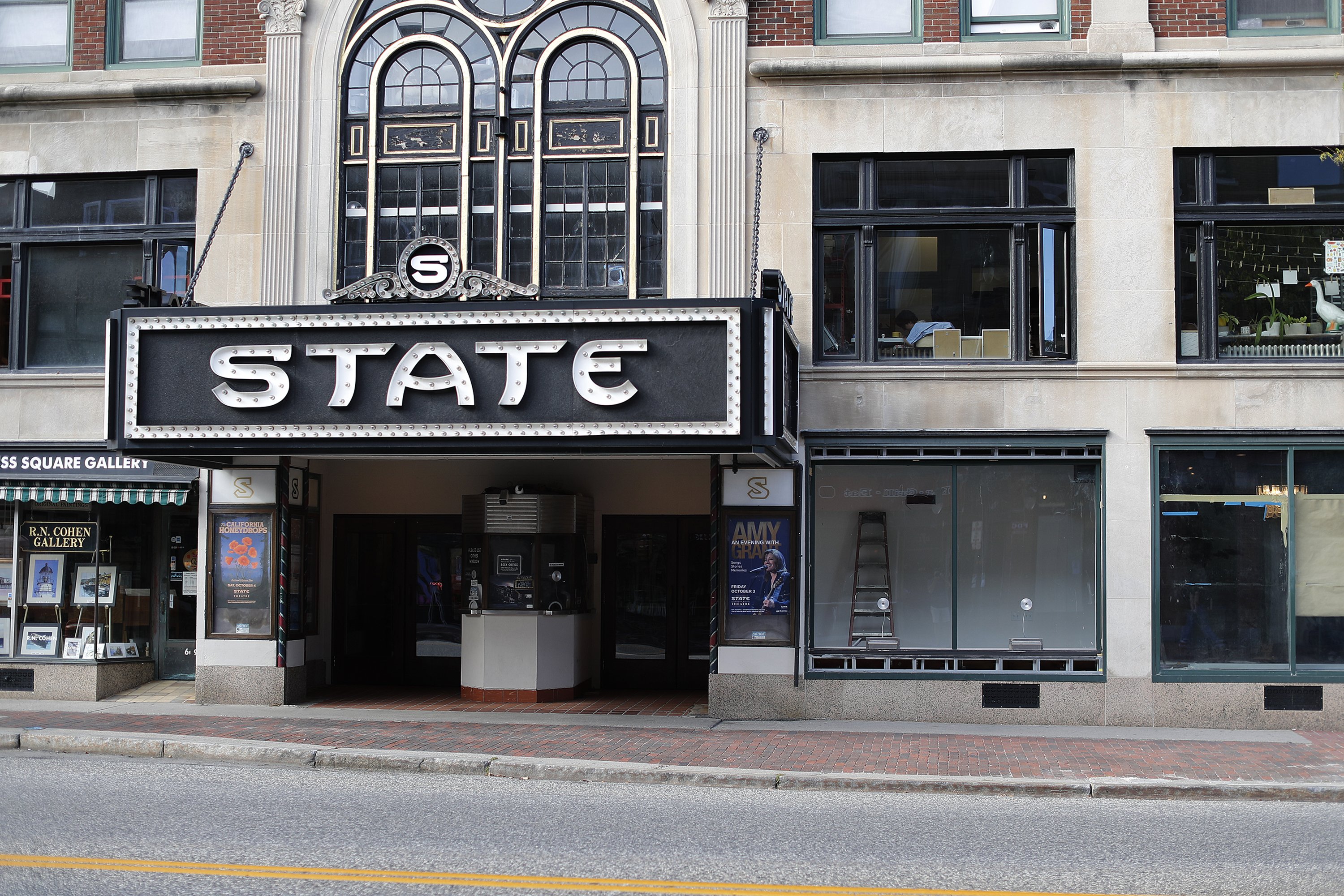
When the State Theatre in Portland opens ticket sales for a big show, the line sometimes snakes down Congress Street and around the corner on High Street.
The wait can be attributed to big demand — and a tiny box office.
“It’s so small,” said Lauren Wayne, president of State Theatre Presents. “It’s like a half-person.”
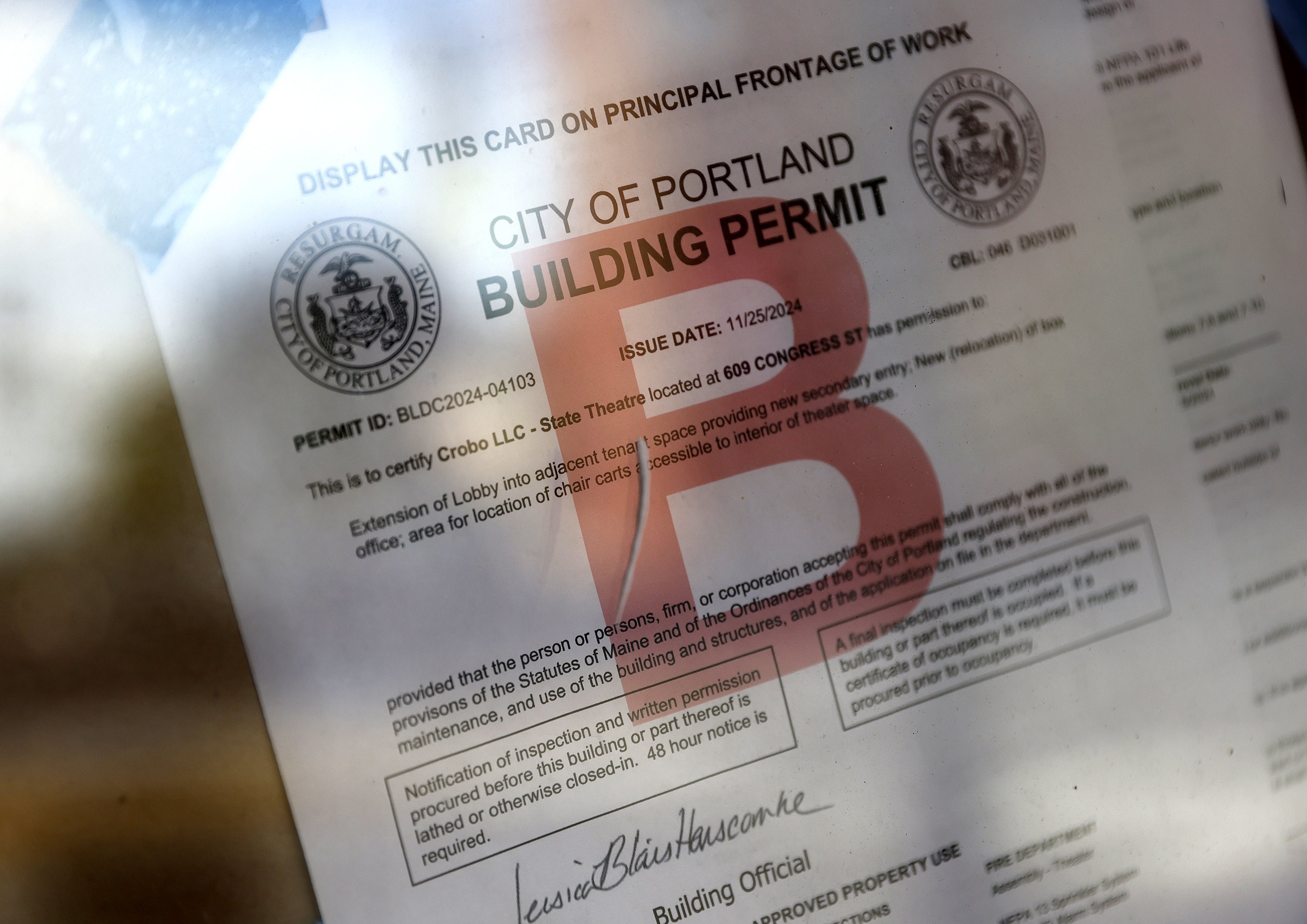
After years of waiting, the venue is finally building a larger box office in an adjacent storefront. The new space will open into the lobby and add another entrance for patrons. It will also have heat and air conditioning for employees.
“You can actually fit two whole people,” Wayne said.
Only 10%-20% of patrons buy their tickets in person, Wayne said. But more people are taking advantage of the fact that the State Theatre doesn’t charge the same fees at the box office as it does for online transactions.
“We’ve definitely seen an uptick in the past couple of years,” Wayne said. “Especially since the pandemic.”
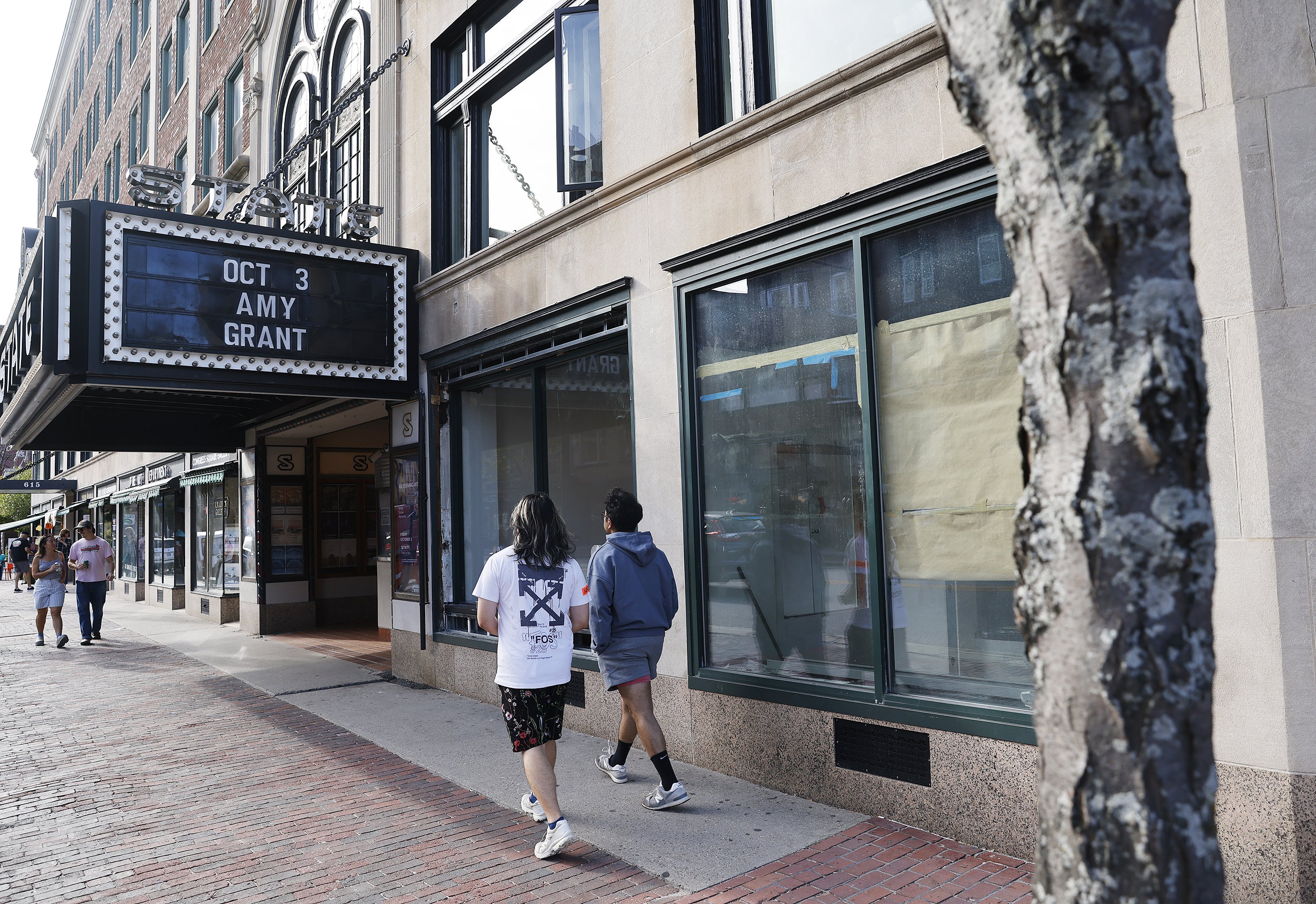
The theater considered renovating the existing box office, but decided not to do so, given the limitations of its historic status. The building opened in 1929 and was restored in 2010. It is owned by Vermont-based Crostone Portland LLC and is currently on the market for nearly $11 million. The sellers said this summer that the theater still has years left on its lease, and they would like to see it operate there well into the future.
So when the neighboring storefront — most recently a home goods store — became available, Wayne jumped at the vacancy. The staff worked with the city to make sure the design is appropriate for the building’s historic facade.
“It was really about accessibility and safety,” she said.
Hours will likely remain the same. The box office is open every Friday from 10 a.m. to 5 p.m. or one hour before any show. The renovation will be done in time for a milestone show. My Morning Jacket will play there Oct. 14 — nearly 15 years to the day after they played the very first concert at the State Theater in 2010. Tickets are on sale now.

Comments are not available on this story. Read more about why we allow commenting on some stories and not on others.
We believe it's important to offer commenting on certain stories as a benefit to our readers. At its best, our comments sections can be a productive platform for readers to engage with our journalism, offer thoughts on coverage and issues, and drive conversation in a respectful, solutions-based way. It's a form of open discourse that can be useful to our community, public officials, journalists and others.
We do not enable comments on everything — exceptions include most crime stories, and coverage involving personal tragedy or sensitive issues that invite personal attacks instead of thoughtful discussion.
You can read more here about our commenting policy and terms of use. More information is also found on our FAQs.
Show less